



The U.S. Trade Representative’s (USTR) decision to suspend U.S. port fees on China’s maritime and shipbuilding sectors has triggered sharp divisions within the shipping industry, revealing contrasting views on how Washington should confront Beijing’s growing industrial influence.
The one-year suspension, effective from November 10, 2025, to November 9, 2026, halts measures introduced only weeks earlier on October 14, following a Section 301 investigation.
The probe, initiated by the United Steelworkers and allied labor unions, accused China of using state subsidies to dominate global shipbuilding orders.
To guide implementation, the USTR opened a one-day public comment period, which drew a surge of responses highlighting deep disagreement among stakeholders.
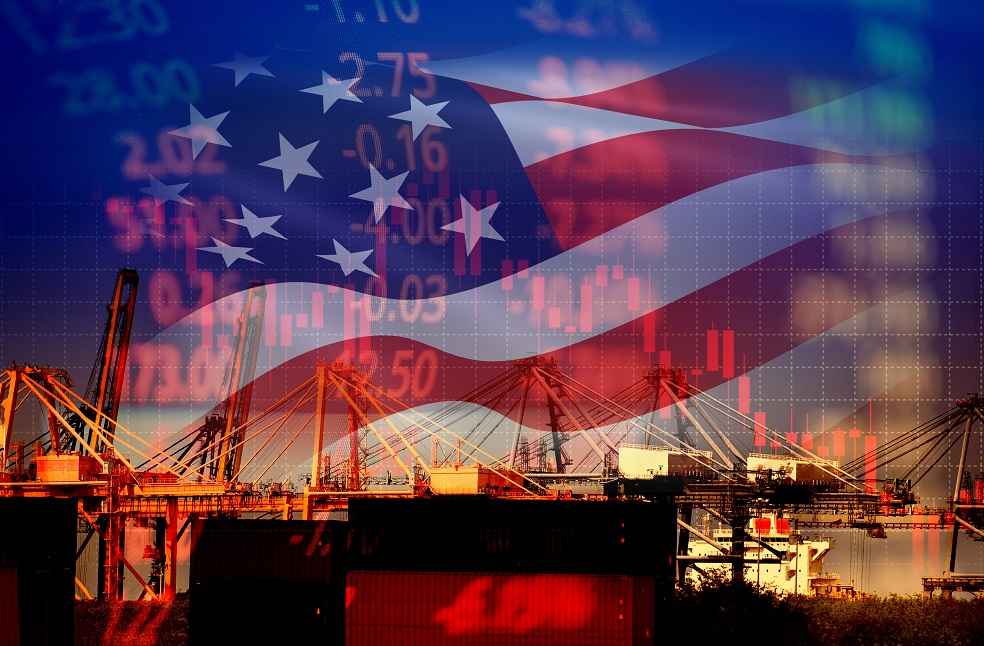
Many shipping and logistics organizations welcomed the pause as a necessary cooling-off period. Mike Jacob, President of the Pacific Merchant Shipping Association, described the move as an opportunity “for continuation of the conversations in the current docket,” stressing that federal investment is critical to strengthening the U.S. maritime sector.
Wallenius Wilhelmsen CEO Lasse Kristoffersen called the suspension “an appropriate step” that would allow shipyards and logistics firms to make long-term investment decisions with more confidence.
The Transportation Institute also endorsed the decision, citing the importance of U.S.-flagged fleets in supporting national security and trade continuity.
Labor unions sharply criticized the move, arguing it weakens domestic shipbuilding recovery efforts. They said the decision prioritized “short-term considerations,” leaving “workers, shipyards, and national security interests once again sidelined.”
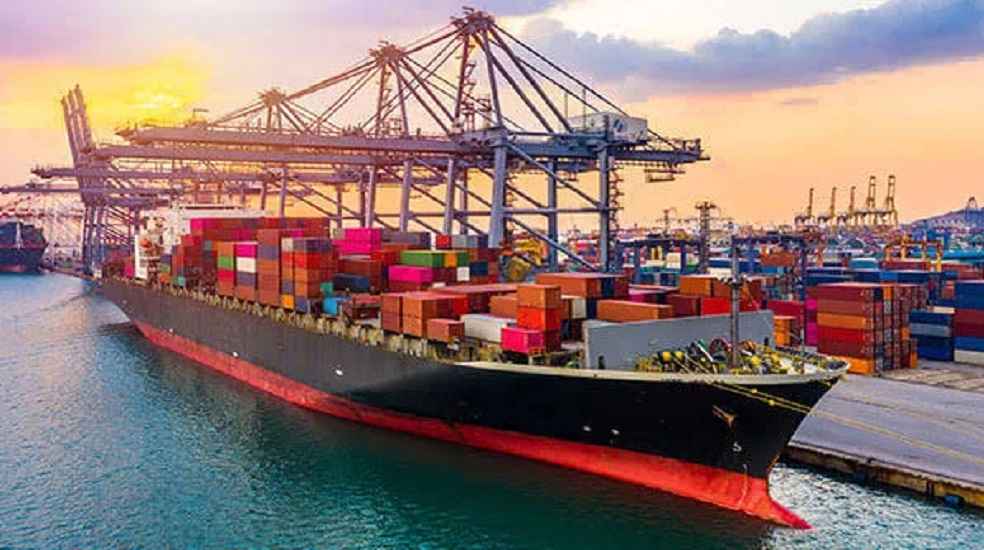
The joint statement was issued by the United Steelworkers, International Association of Machinists and Aerospace Workers, International Brotherhood of Electrical Workers, and International Brotherhood of Boilermakers.
Hunter Stires, a Non-Resident Fellow at the Navy League’s Center for Maritime Strategy, labelled the suspension “a significant strategic mistake,” claiming Beijing’s strong reaction to the port fees demonstrated their effectiveness.
Similarly, Scott Paul, President of the Alliance for American Manufacturing, warned that “China has a consistent record of noncompliance,” calling the pause “a gamble with little assurance of long-term results.”
Although brief, the initial enforcement of port fees had already produced ripple effects. U.S. carrier Matson reported $6.4 million in losses due to China’s retaliatory fees within three weeks, while China’s state-owned COSCO faced an estimated $1.5 billion in annual costs from the U.S. measures.

The now-suspended fees targeted three categories of vessels: Chinese-owned or operated ships, operators of Chinese-built vessels, and foreign-built vehicle carriers, each intended to pressure different segments of China’s maritime sector.
Despite the temporary truce, the structural imbalance remains significant. China accounted for 53% of global shipbuilding orders by tonnage during the first eight months of 2025, underscoring its dominant position in the industry.
Critics warn that such concentration poses long-term risks to global trade competitiveness and U.S. supply chain resilience.
As the debate closes, the policy divide persists over whether the suspension represents a pragmatic reset to strengthen U.S. maritime capacity or a missed opportunity to counter China’s entrenched shipbuilding supremacy.
TEXTILE INDUSTRY | Vietnam’s Textile Industry Recovers Amid Costs and Trade Pressures
