


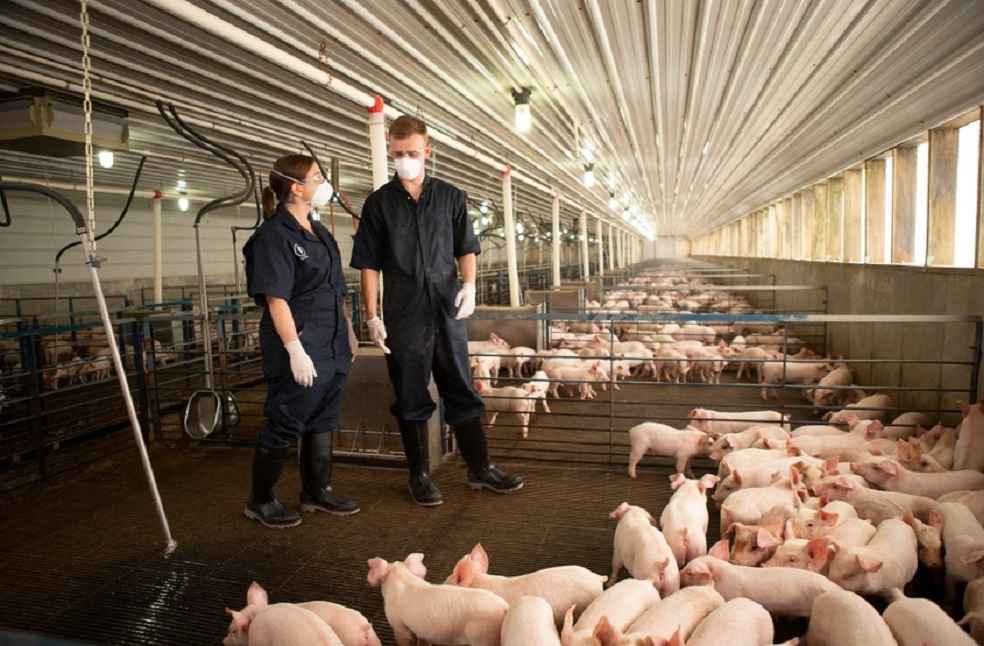
The United States has secured expanded trade access for pork exports to Taiwan under a new agreement aimed at reducing regulatory barriers and strengthening agricultural trade ties between the two economies.
The deal marks the culmination of more than 15 years of negotiations and advocacy led by the National Pork Producers Council, which has long pushed for improved market conditions in Taiwan, a high-value destination for American pork.
Industry representatives say the agreement is expected to increase export opportunities for U.S. producers while offering more predictable trade rules. NPPC President Duane Stateler, a pork producer from Ohio, described the development as a major step forward, noting that sustained efforts to address trade restrictions have finally delivered greater access for American farmers.

Under the new framework, Taiwan will adopt maximum residue levels for ractopamine based on standards set by the Codex Alimentarius Commission, aligning import rules with internationally recognized food safety guidelines.
Authorities have also removed licensing and registration requirements that previously limited U.S. pork shipments, a change that industry groups believe will significantly ease market entry.
Inspection procedures are set to become more streamlined. The agreement ends the practice of conducting 100% batch-by-batch inspections related to ractopamine and country-of-origin labeling. Instead, inspection frequency will be determined by a facility’s compliance record.
Taiwan will also accept exports from all plants inspected by the U.S. Department of Agriculture that are listed in the Meat and Poultry Inspection Directory, eliminating the need for additional plant audits.
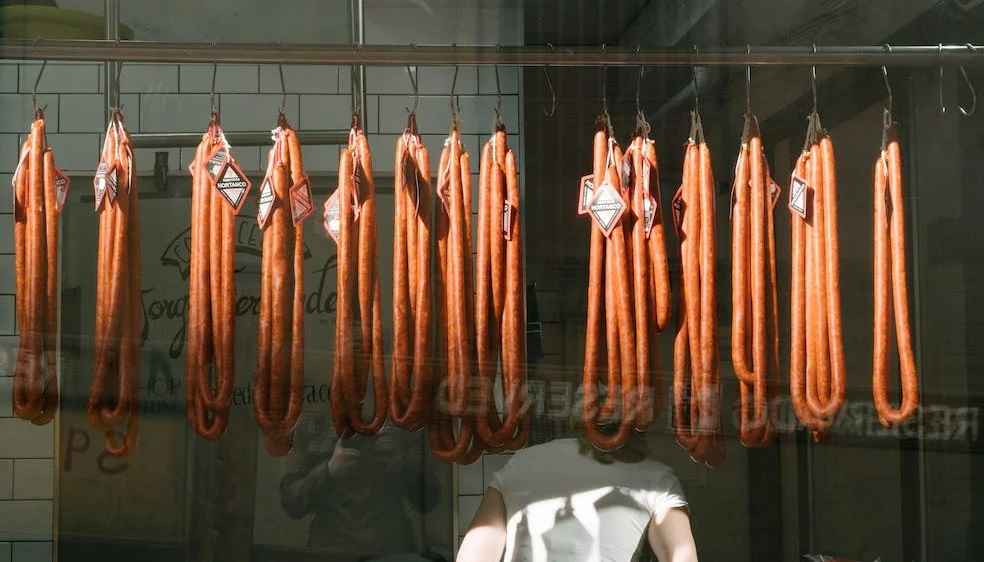
Further provisions include recognition of USDA export certificates and electronic data elements, along with a reduction in documentation requirements that exporters previously described as burdensome.
Taiwan has also agreed to recognize U.S. African swine fever protection zones within six months, a move expected to enhance biosecurity cooperation and trade continuity.
Agricultural analysts view the agreement as a strategic win for the U.S. pork sector, offering improved access to one of Asia’s important protein markets while reinforcing international trade standards.
By lowering procedural barriers and creating clearer compliance pathways, the deal is expected to support higher export volumes, provide greater market stability for producers, and strengthen the global competitiveness of American pork.
GLOBAL EVENTS | Wadi Jeddah Joins EVS Saudi Arabia 2026 to Drive EV Innovation