


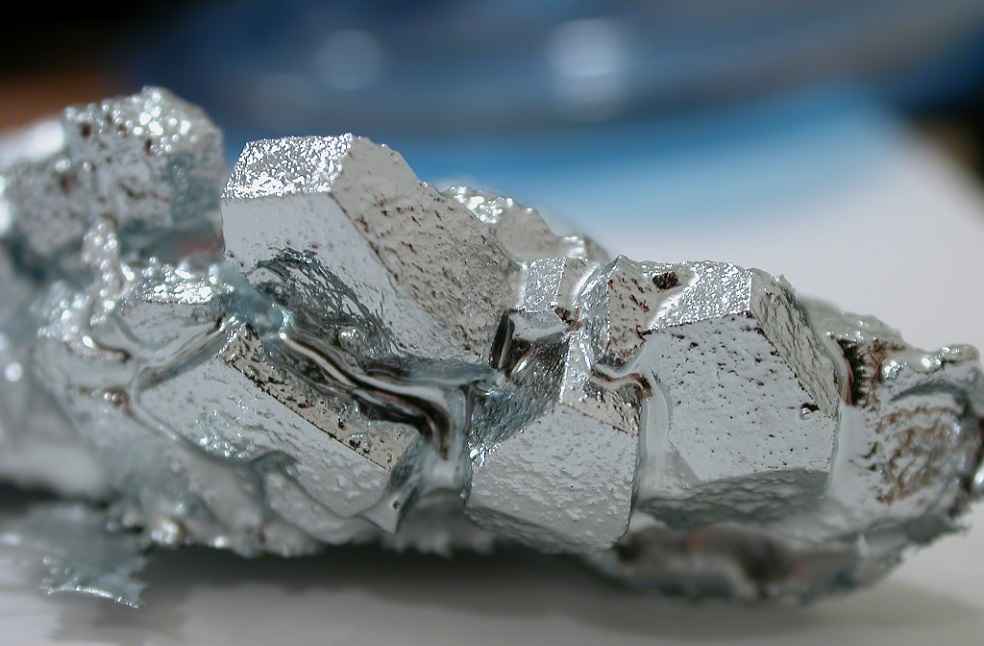
The United States’ plan to establish a new critical minerals trading bloc signals a deeper shift in the global economic order, as competition for scarce resources begins to reshape trade, energy policy, and geopolitical strategy.
Announced by Vice President JD Vance, the proposal reflects growing recognition that traditional free trade systems are giving way to a more strategic, state-driven model centered on securing access to essential materials.
Analysts say the change is driven by a new set of economic realities, where resource constraints, climate pressures, and rising electricity demand are becoming more influential than financial flows alone.
The electrification of transport, the rapid expansion of data centers supporting artificial intelligence, and continued industrial growth are fueling what the International Energy Agency describes as an emerging ‘Age of Electricity,’ prompting countries to reassess their supply chains for key minerals.
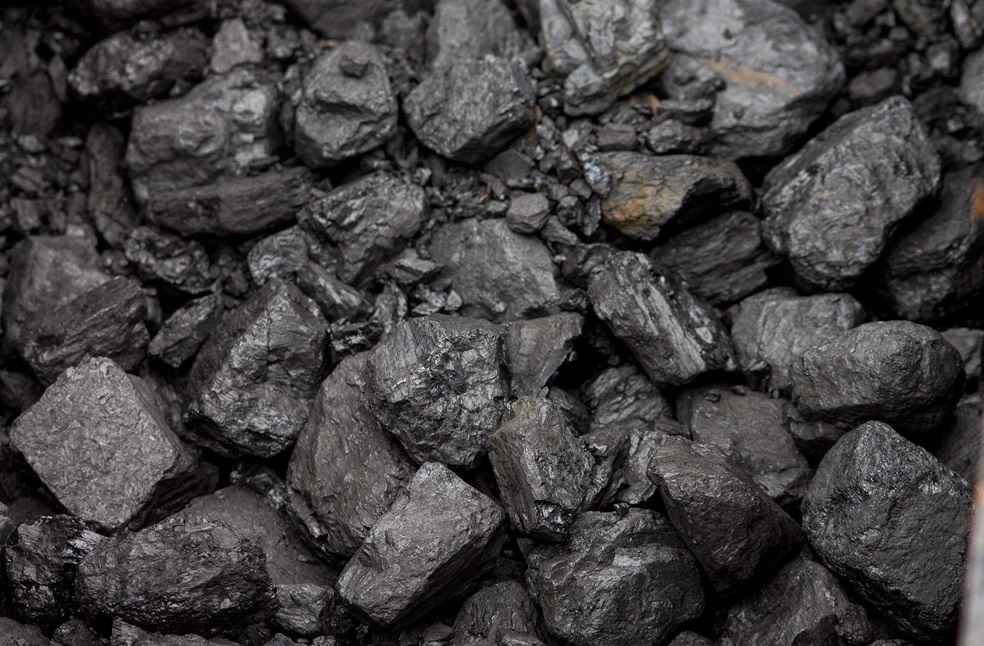
Global energy trends are also shifting. Demand for coal is expected to peak and gradually decline as investments in renewable power accelerate, led by China, where renewable electricity generation has already surpassed coal.
Even so, rising temperatures and extreme weather events are placing strain on electricity systems. Heatwaves have driven spikes in air-conditioning demand, forcing countries such as India to increase fossil fuel use during periods of peak consumption, highlighting the complex balance between climate goals and energy security.
The surge in electricity demand is intensifying competition for materials such as copper, lithium, cobalt, graphite, and rare earth elements used in batteries, electric vehicles, and electronics.
World Bank projections suggest global lithium production may need to rise by 450% by 2050 to meet demand, while copper markets are already tightening. Prices climbed sharply in 2025 as supply lagged behind demand, creating a deficit that S&P Global forecasts could widen to 10 million tons by 2040.
China currently holds a dominant position across many of these supply chains, controlling more than half of global refined copper production and a significant share of cobalt and rare earth processing capacity.
Its investments in mining operations abroad, including in the Democratic Republic of the Congo, have strengthened its influence over critical minerals, prompting concern in Washington and other capitals.
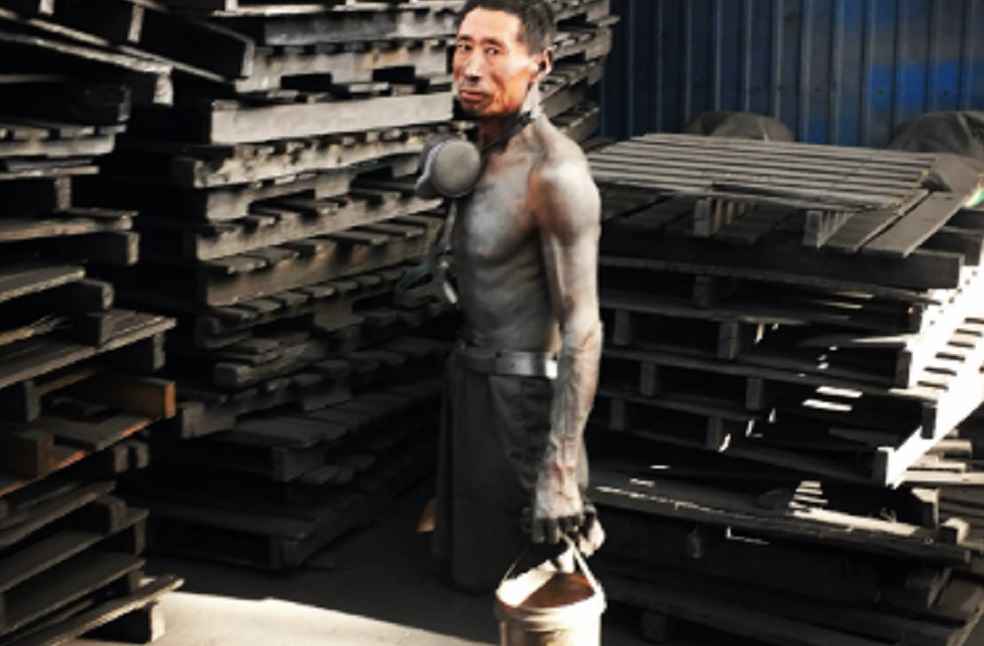
In response, the United States and its allies are increasingly adopting policies once associated with state-led economic models. Washington has taken equity stakes in mining and refining firms, backed strategic acquisitions in cobalt and copper assets, and announced a 12 billion dollar investment to build a national strategic minerals reserve, with the first depot planned for Nevada.
Similar stockpiling strategies are being pursued by Japan, South Korea, India, Australia, and the European Union as governments seek to protect supply chains against geopolitical disruptions and climate risks.
The competition extends beyond production to the accumulation of reserves. China has expanded its holdings of industrial metals through its National Food and Strategic Reserves Administration, contributing to rising global prices.
Japan maintains long-term stockpiling targets of up to 180 days’ supply for high-risk materials, while India recently approved plans for a national reserve under its critical minerals mission.
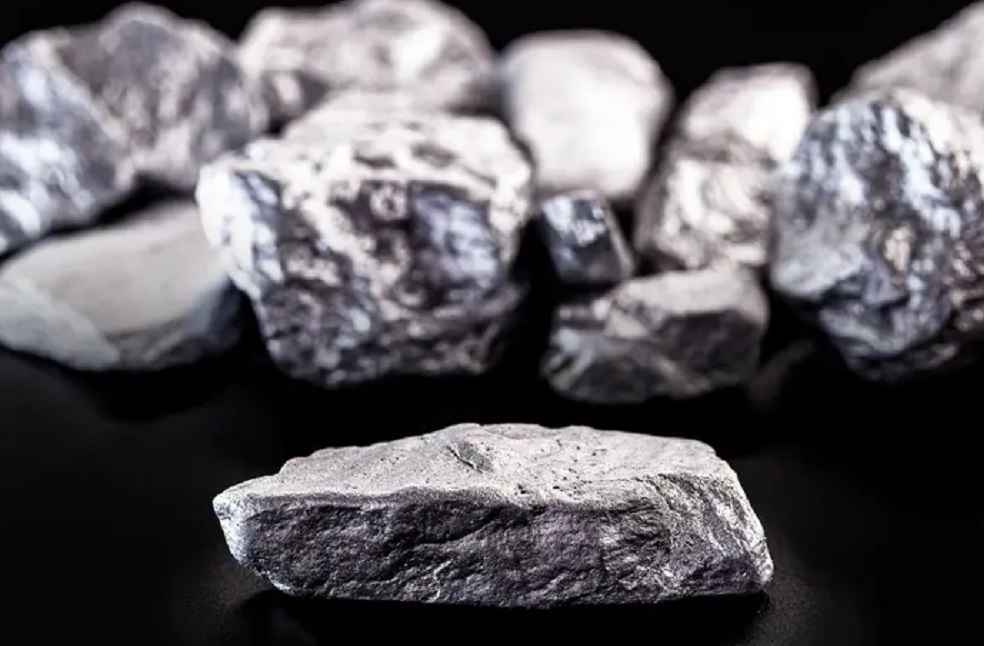
Environmental factors are adding another layer of uncertainty. Extreme weather events and water shortages pose a significant threat to mining operations worldwide, from drought-affected copper facilities in Chile to storm damage at quartz mines in North Carolina, which briefly disrupted semiconductor supply chains.
Studies suggest that up to 70% of global copper, cobalt, and lithium production could face climate-related disruptions in the coming decades.
The growing emphasis on stockpiles and resource alliances highlights a shift away from assumptions that global markets alone can guarantee supply.
As countries compete to secure access to essential materials, the emerging economic landscape increasingly reflects a zero-sum logic, where strategic reserves and mineral partnerships are becoming central tools of national policy in an era defined by scarcity and geopolitical rivalry.
ENERGY INDUSTRY | China’s Oil Imports from Russia Hit Record High as India Retreats