


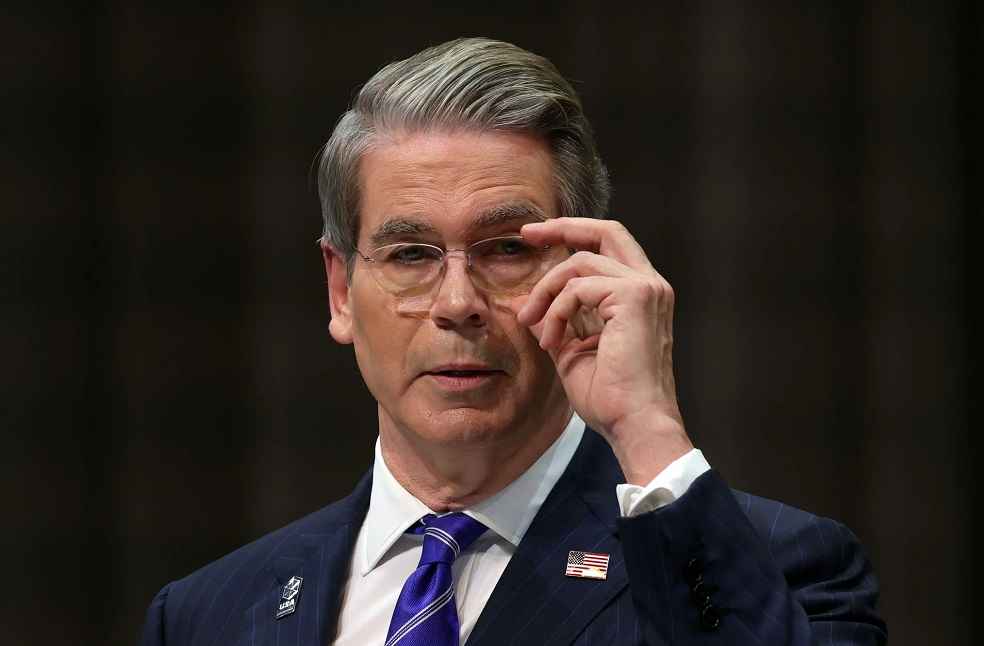
The United States could raise its recently introduced universal import tariff from 10% to 15% as early as this week, according to Scott Bessent, signalling a possible escalation in global trade tensions under President Donald Trump.
Speaking in an interview with CNBC, Bessent said the administration is considering the increase as it works to stabilize its broader tariff policy after a recent legal setback affecting earlier duties.
When asked about the timing of the proposed tariff rise, Bessent indicated the move could happen soon. “That’s likely sometime this week,” he said.
The administration imposed a 10% universal tariff on imports last month after the Supreme Court of the United States invalidated significant portions of the president’s earlier tariff framework. The ruling forced officials to rely on alternative legal provisions to maintain trade barriers while rebuilding a more durable policy structure.

Bessent explained that the legal authority currently supporting the universal tariffs allows them to remain in effect for only 150 days. During that period, U.S. trade officials are expected to construct a new framework to replace the measures struck down by the court.
“It’s my strong belief that the tariff rates will go back to their old rate within five months,” Bessent said, indicating that the current tariffs may serve as a temporary bridge while longer-term measures are prepared.
The administration is seeking to reintroduce tariffs using other provisions of U.S. trade law, particularly Section 232 and Section 301. These mechanisms allow Washington to impose duties on imports based on national security concerns or allegations of unfair trade practices.
Although the processes involved in these provisions are slower, Bessent said they would likely provide a stronger legal foundation for the tariff regime.
“They are slow-moving, but they are more robust,” he said.
The Supreme Court ruling last month represented a major challenge to one of Trump’s central economic policies. By striking down broad global tariffs, the decision also opened the possibility for businesses to pursue legal action seeking refunds for duties previously paid.
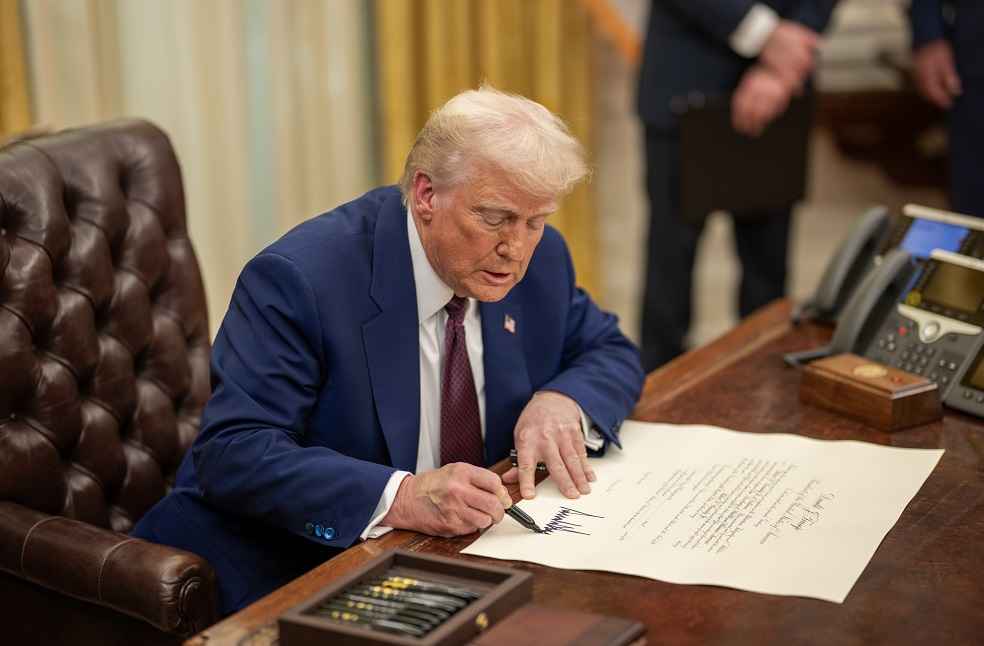
The evolving tariff strategy could influence global trade flows and export-oriented economies, including India, as Washington reassesses its approach to international commerce.
During the interview, Bessent also addressed conditions in global energy markets, urging analysts to focus on supply fundamentals rather than geopolitical developments.
“I would encourage everyone to look through the noise and see where we are going on the other side of this in terms of the crude markets — the crude markets are very well supplied,” he said.
According to Bessent, substantial oil volumes remain available globally, with hundreds of millions of barrels currently in transit outside the Gulf region.
The U.S. government is also evaluating additional measures to safeguard oil shipments, including the possibility of providing insurance coverage for cargo vessels and deploying the United States Navy to help ensure safe passage through the Strait of Hormuz.
Bessent noted that China could face significant vulnerability if energy flows from the Persian Gulf are disrupted, as more than half of its oil supplies originate from the region.
“They’ve probably been buying about 95% of the Iranian crude. That’s obviously on hold right now,” he said.
The Treasury Secretary declined to comment in detail on reports that the Trump administration may be considering a trade embargo on Spain, stating that any such decision would require coordination across several U.S. government agencies.
BUSINESS GENERAL | Middle East War Disrupts India’s Gems and Jewellery Trade
