


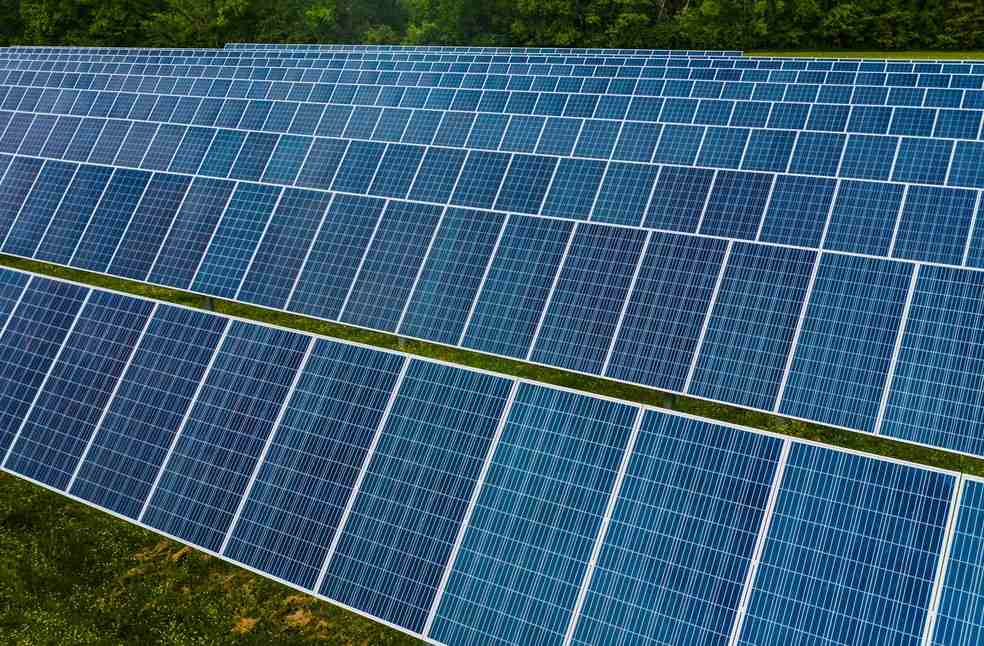
U.S. President Donald Trump has imposed a steep 126% duty on solar imports from India, a move that could jeopardize the India‑U.S. trade agreement.
On Wednesday, the U.S. Department of Commerce declared a preliminary countervailing duty (CVD) of 125.87% on solar cells and modules imported from India, concluding that producers benefited from government subsidies deemed actionable.
The decision forms part of an ongoing trade remedy investigation, which also covered Indonesia and Laos, where preliminary subsidy margins were set at 104.38% and 80.67%, respectively.
The investigation was launched after a petition from the Alliance for American Solar Manufacturing and Trade, which represents U.S. producers. Authorities determined that foreign subsidies enabled exporters to undercut American-made products, prompting measures aimed at protecting domestic manufacturers from low-cost imports.

These countervailing duties differ from the reciprocal tariffs previously imposed by the Trump administration.
According to the Commerce Department, solar imports from India reached $792.6 million in 2024—more than nine times their value in 2022.
The decision comes just weeks after New Delhi and Washington agreed on a framework to reduce tariffs on Indian exports to 18% from the earlier 50%. This was before the U.S. Supreme Court struck down Trump’s reciprocal tariffs as unconstitutional. Trump subsequently introduced a universal 10% baseline duty on most imports, later raising it to 15%, with the 10% rate taking effect Tuesday.
At the India-specific rate of 125.87%, a solar shipment invoiced at $100 would incur an additional $125.87 in duties upon entry, pushing its landed value above $225 before freight, insurance, and distribution costs.
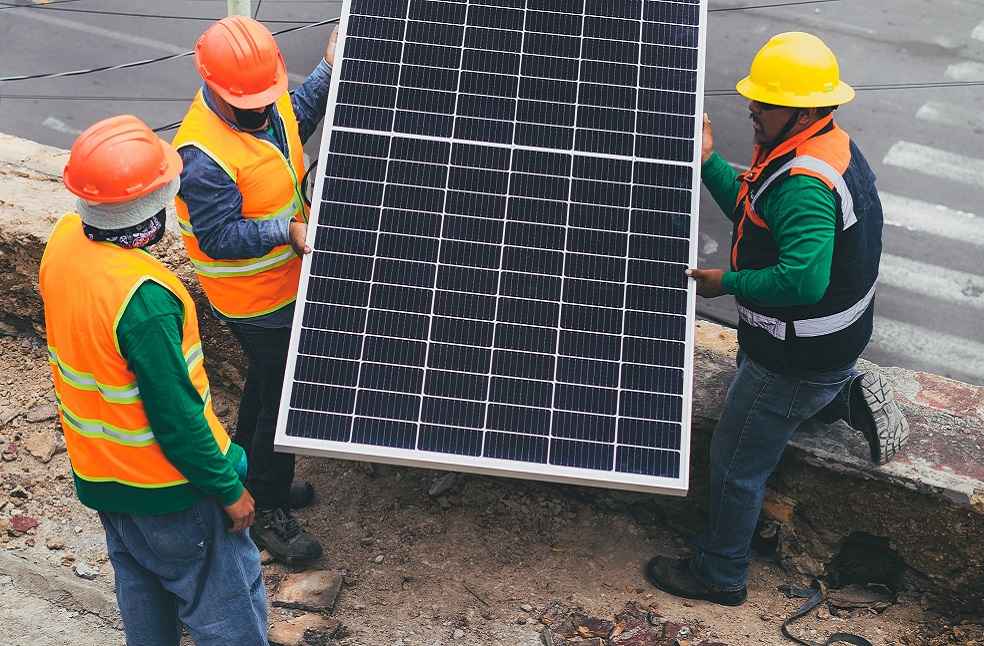
In addition to countrywide margins, the Commerce Department has also assigned individual rates to certain manufacturers.
The U.S. Commerce Department is simultaneously conducting an anti-dumping investigation to determine whether these countries are selling solar panels below production cost. A final ruling on the subsidy findings is expected by July 6, which will decide whether the steep duties become permanent.
Meanwhile, Indian and U.S. officials have postponed a three-day meeting that had been scheduled this week to discuss the interim trade agreement.
LOGISTICS INDUSTRY | Hong Kong Protests Panama Seizure of Key Canal Ports