


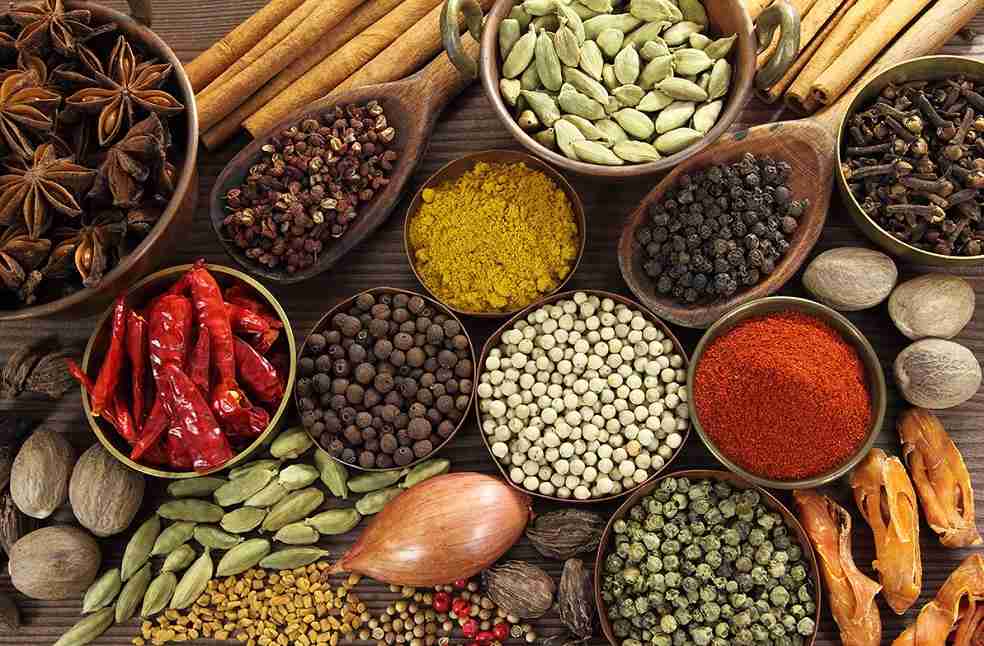
Indian spice exporters and tea producers are expected to benefit following U.S. President Donald Trump’s decision to reduce import tariffs on nearly 200 food, farm, and agricultural products, a move undertaken in response to mounting criticism over rising domestic food prices.
The list of products includes spices such as black pepper, cloves, cumin, cardamom, turmeric, and ginger, as well as various teas, mango-based products, and nuts such as cashews—all key exports from India.
According to The Times of India, India’s spice exports to the U.S. in 2024 exceeded $500 million, while tea and coffee shipments were valued at nearly $83 million. The U.S. also imported cashew nuts worth $843 million globally, with India contributing around 20% of that supply.
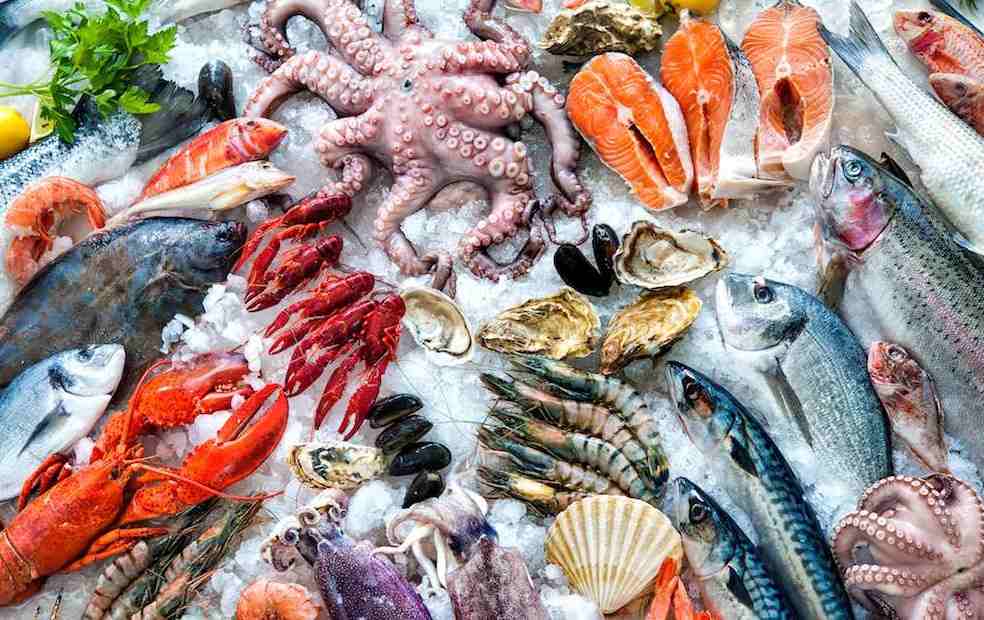
However, major Indian exports, including shrimp, other seafood, and basmati rice, were excluded from the tariff reductions.
Meanwhile. high U.S. tariffs continue to apply to gems, jewelry, and apparel which remain without relief until Washington finalizes a broader trade agreement with New Delhi. Trump has stated that such an agreement will proceed once India lowers its imports of Russian oil and raises its purchases of U.S. energy.
In total, the tariff exemptions apply to just over $1 billion of India’s qualifying agricultural exports.
Indian officials stated that around 50 processed food items, which were valued at $491 million last year will benefit the most. These include coffee and tea extracts, cocoa products, fruit juices and pulps, mango-based goods, and vegetable waxes. Spices, with a valuation of $359 million, are also expected to receive substantial tariff relief.
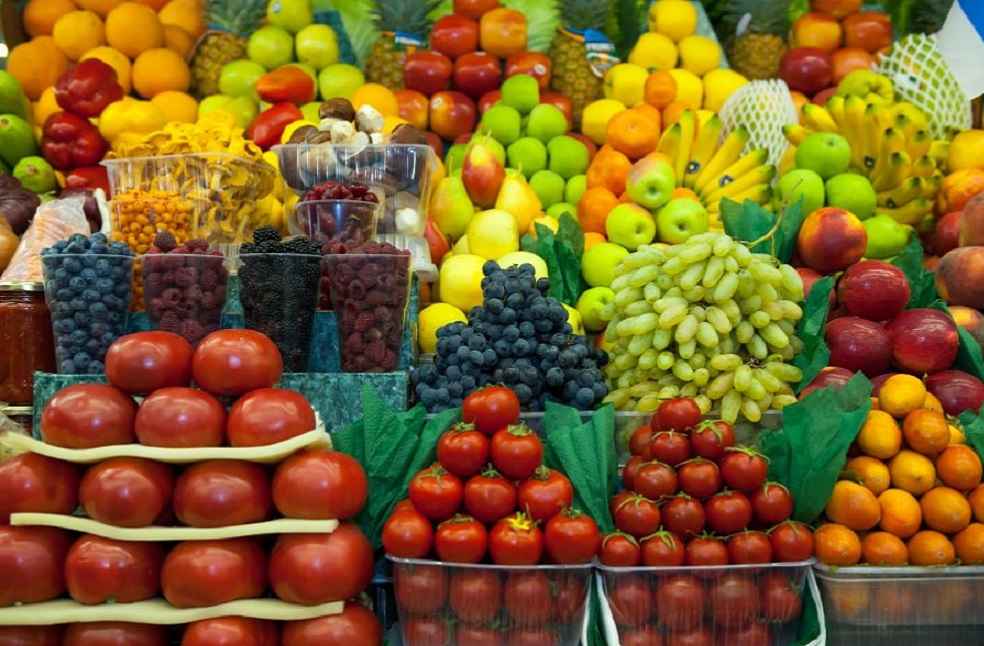
Additionally, 48 fruits and nuts—including coconuts, guavas, mangoes, cashews, bananas, areca nuts, and pineapples—are expected to benefit, although their total export value was only around $55 million. This represents nearly one-fifth of India’s agricultural exports, estimated at $5.7 billion.
In total, the exempted products account for roughly 40% of India’s goods exports to the United States, which reached $86 billion last year.
On Friday, Trump issued an executive order declaring tariff reductions, a move that comes amid mounting public discontent over escalating living expenses.
Trump also proposed issuing $2,000 rebate checks funded by tariff revenues and initiated an investigation into the meat-packing sector due to growing concerns over food inflation.
AUTOMOTIVE WORLD | China to Regulate ‘Zero Mileage’ New Car Exports with Stricter Rules