


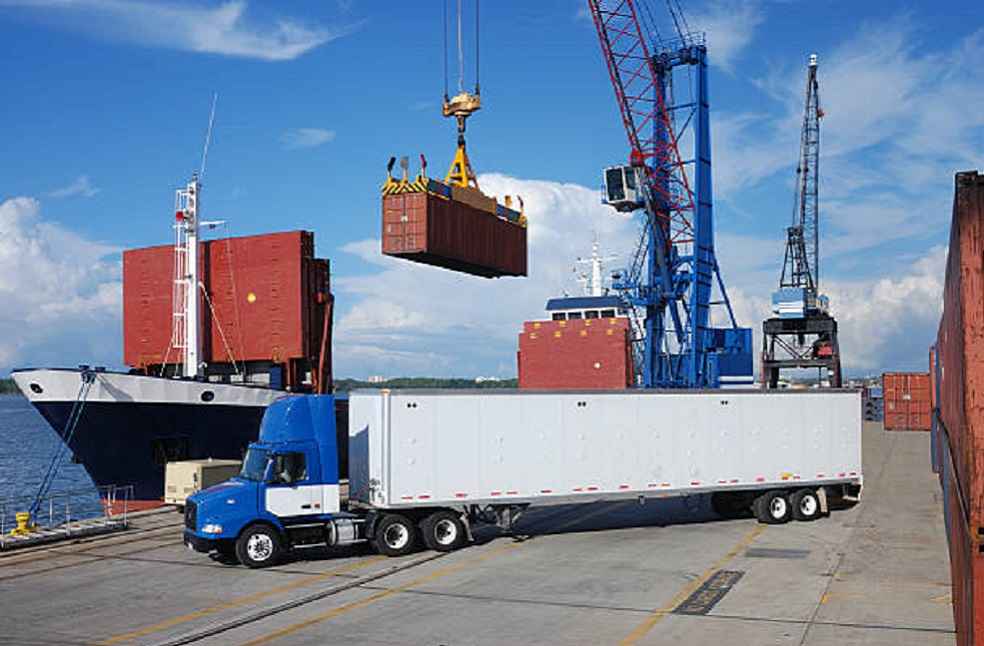
Container import volumes into the United States have peaked earlier than expected this year, according to the Inbound Ocean TEUs Volume Index (IOTI) reported by Yahoo Finance. The index, which tracks the 14-day moving average of twenty-foot equivalent unit (TEU) containers arriving at U.S. ports, reached a multi-year high of 2,356 in early July, nearly a month ahead of the traditional peak shipping season and approximately 4% above last year’s peak.
This surge does not necessarily reflect stronger consumer demand. Analysts suggest it shows a recovery from recent disruptions linked to tariffs on Chinese goods, which triggered a 15% decline in the IOTI during May. With those tariffs now paused and due to expire in August, importers have resumed shipments to cover earlier shortfalls and prepare for potential demand swings.
The broader economic impact of the ongoing trade war remains uncertain. Recent data from IndexBox shows stagnation in private-sector hiring in June and softened retail sales in May, factors that could signal further economic cooling in the months ahead. Business and consumer confidence indices have also shown signs of strain amid tariff-driven uncertainty.
Inventory levels have climbed since last summer, but at a cost. Rising tariffs and warehousing expenses have driven up inventory costs, forcing companies to reconsider their logistics strategies. While some businesses may pull back on imports to avoid holding expensive stock, others could rely on just-in-time shipments, especially if demand picks up unexpectedly later in the year.

Maritime carriers are beginning to adapt to the evolving landscape. Early indications of blank sailings and a spike in rejected shipments on the Ocean TEU Rejection Index suggest that shipping lines are preparing for possible softness in demand.
Despite this early import peak, surface transportation could remain resilient in the second half of the year. Higher inventory costs may prompt leaner stocking strategies, increasing the likelihood of last-minute orders and placing continued pressure on logistics networks to stay flexible and responsive.
MOST POPULAR | Trump Imposes 30% Tariffs on EU and Mexico from August 1
