


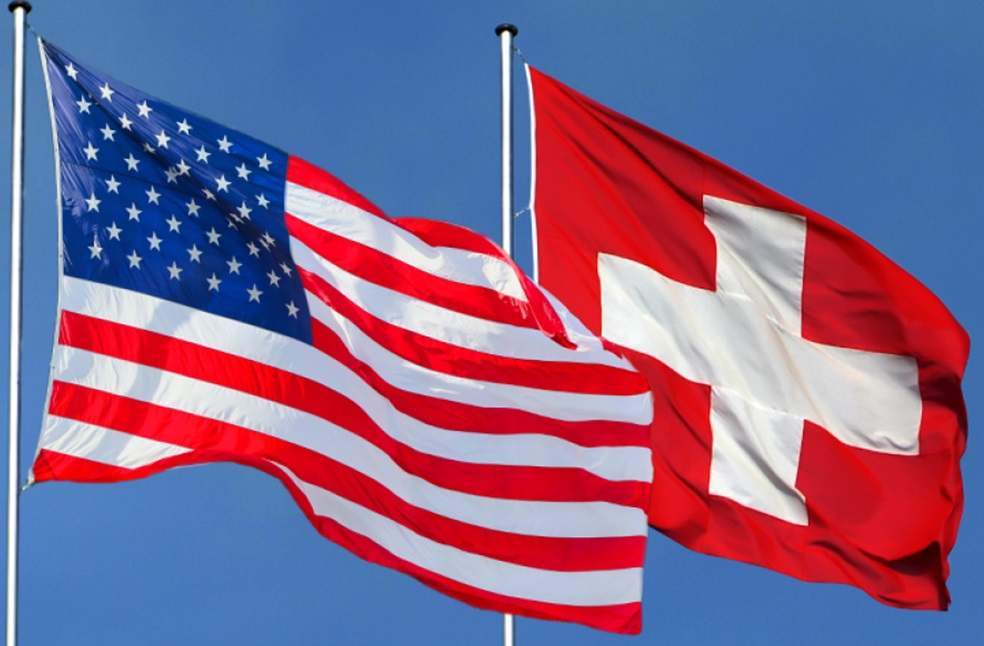
The United States described ongoing trade discussions with Switzerland as ‘very positive’ and ‘focused,’ signalling potential movement on the steep tariffs imposed by President Donald Trump earlier this year.
Swiss Vice President Guy Parmelin’s latest visit to Washington marks his third trip since the United States slapped a 39% duty on Swiss imports in August, one of the highest rates in Trump’s global tariff campaign. The increase stunned Bern and has weighed heavily on Switzerland’s export-driven economy.
During his visit, Parmelin met U.S. Trade Representative Jamieson Greer as the Swiss government continues pushing for relief. A senior Trump administration official said Thursday that negotiations were progressing constructively.

“If this deal is accepted by the president and the Swiss people, we would see a reduction in tariffs into Switzerland,” the official said. While U.S. tariffs on Swiss goods are already low in some categories, the official noted that several areas remain high and could see “a meaningful reduction.”
Switzerland has revised down its 2026 growth forecast due to the tariff shock and is seeking to secure terms similar to those negotiated by other wealthy countries.
Bloomberg reported earlier this week that Bern was close to an agreement that would lower the U.S. tariff rate to 15%, matching the level applied to European Union goods. The report cited unnamed sources familiar with the talks.
The Swiss economy ministry confirmed that Parmelin was in Washington ‘to continue discussions’ but declined to provide details.
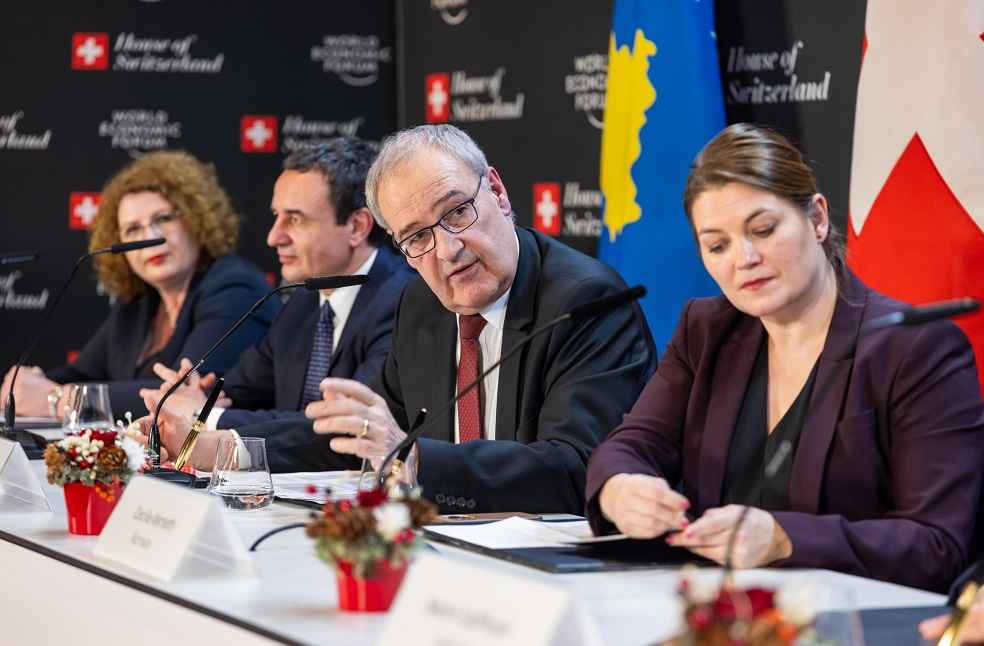
Parmelin and Swiss President Karin Keller-Sutter made an emergency trip to the U.S. capital in early August to urge the White House to reconsider the tariff hike, but they returned without progress. Parmelin made a second visit in September.
Last week, the heads of six major Swiss companies, including the chiefs of Rolex and luxury group Richemont, met Trump to warn him of the damage the tariffs are inflicting on their industries. The 39% rate threatens key sectors such as watchmaking, industrial machinery, chocolate, and cheese.
Switzerland’s pharmaceutical industry, the country’s largest export sector, remains exempt from the tariff, but Trump has repeatedly threatened to target medicines as well, raising further uncertainty.
Swiss companies also fear losing competitiveness against rivals in economies that have negotiated lower rates. The EU and Japan have secured 15% tariffs, while Britain obtained a 10% rate.
TRADE WORLD | WTO Chief Urges India to Lead Crucial Global Trade Reforms
