


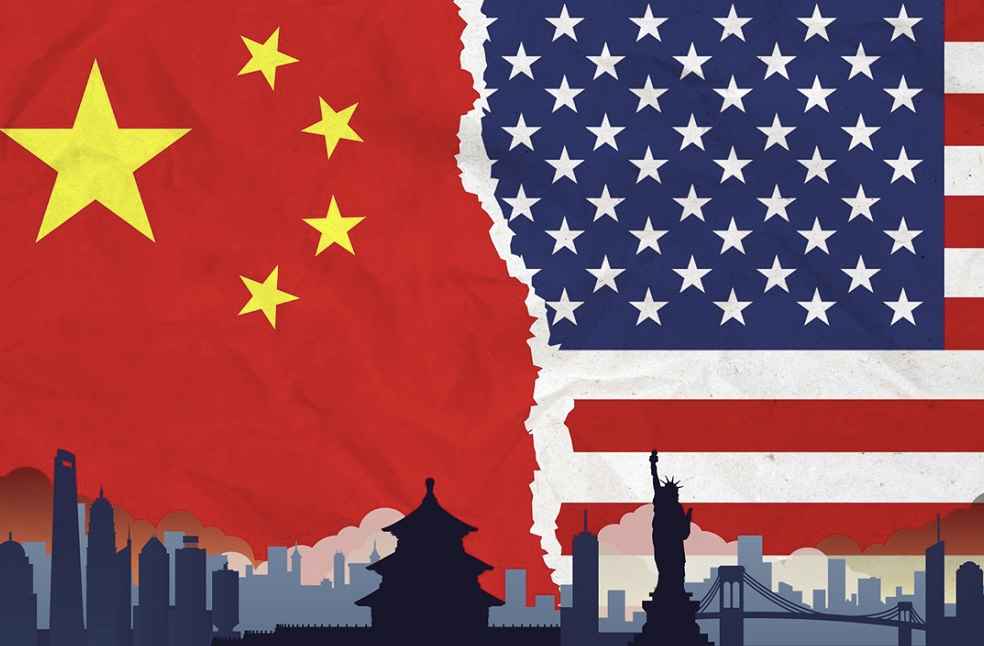
Top economic officials from the U.S. and China began talks in Kuala Lumpur on Saturday to prevent a renewed escalation of their trade war, The Sun reported. The discussions aim to pave the way for a meeting next week between U.S. President Donald Trump and Chinese President Xi Jinping.
According to the report, the talks, held on the sidelines of the Association of Southeast Asian Nations (ASEAN) summit, are expected to determine a path forward following Trump’s threat to impose new 100% tariffs on Chinese goods.
The tariffs and other trade restrictions are set to take effect on November 1, in retaliation for Beijing’s expanded export controls on rare earth magnets and minerals.
Recent tensions have worsened after Washington widened its export blacklist to include thousands of additional Chinese firms.
These developments have disrupted a fragile truce painstakingly negotiated by U.S. Treasury Secretary Scott Bessent, U.S. Trade Representative Jamieson Greer, and Chinese Vice Premier He Lifeng over four previous rounds of talks since May.
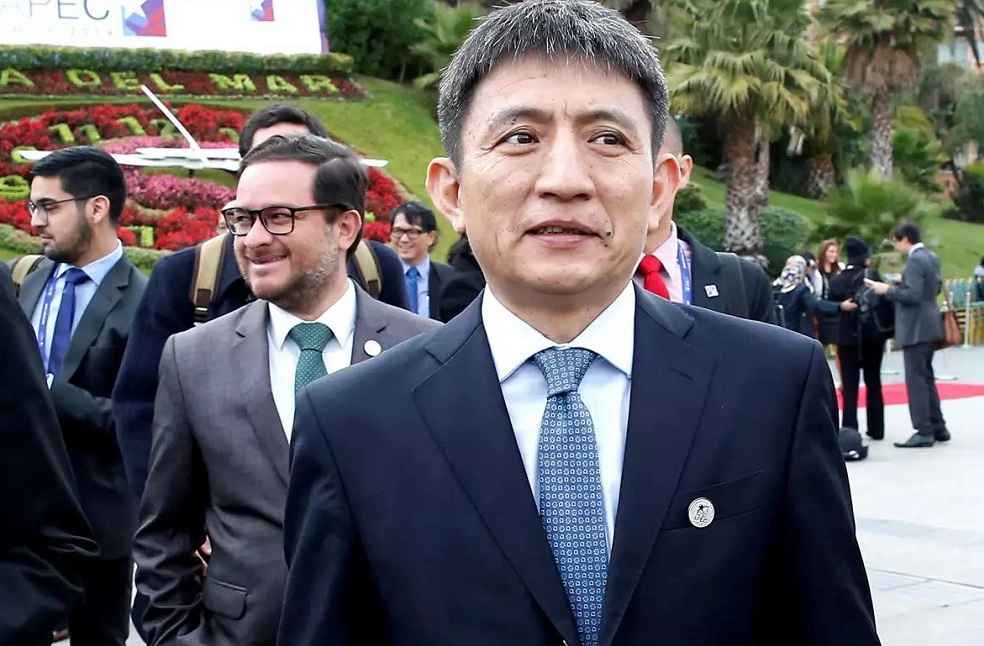
China’s top trade negotiator Li Chenggang also joined the Kuala Lumpur discussions. A Reuters witness saw Li arriving with He at the Merdeka 118 tower, one of the world’s tallest buildings.
The Malaysian government and both delegations have provided few details about the talks or any plans to brief the media.
The three senior officials are working to prepare for a potential Trump–Xi meeting next Thursday at the Asia-Pacific Economic Cooperation (APEC) summit in South Korea.
The Sun reported that discussions could center on temporary relief measures covering tariffs, technology controls, and Chinese purchases of U.S. soybeans.
Before departing Washington, Trump said he planned to raise issues concerning American farmers and would “bring up Taiwan” during his Asia visit, though he clarified there were no immediate plans to visit the island.
He also mentioned he would likely raise the case of jailed Hong Kong media tycoon Jimmy Lai, calling it “a troubling example of China’s crackdown on freedoms.”
Experts believe the Kuala Lumpur talks represent a last-ditch attempt to avert a broader economic clash. Josh Lipsky of the Atlantic Council said both sides must first find a compromise over U.S. technology export restrictions and China’s rare earth export controls.

He questioned Beijing’s willingness to loosen its rare earth restrictions, given their strategic importance.
Trump is expected to arrive in Malaysia on Sunday, where further announcements may follow. Scott Kennedy from the Center for Strategic and International Studies noted that the outcome remains uncertain. “Success would mean China’s gambit paid off, while failure would require preparation for escalated tensions,” he said.
The world’s two largest economies are trying to avoid a return to the triple-digit tariff levels last seen in April. During that period, China retaliated against U.S. tariffs by halting rare earth exports to American buyers.
The initial truce negotiated in May had lowered U.S. tariffs to about 55% and China’s to 30%, while resuming limited trade in rare earth magnets. The agreement was extended through subsequent meetings in London and Stockholm and was due to expire on November 10.
The truce began to unravel in late September after the U.S. Commerce Department expanded its export blacklist to automatically include firms majority-owned by blacklisted entities, effectively barring U.S. exports to thousands of additional Chinese companies.
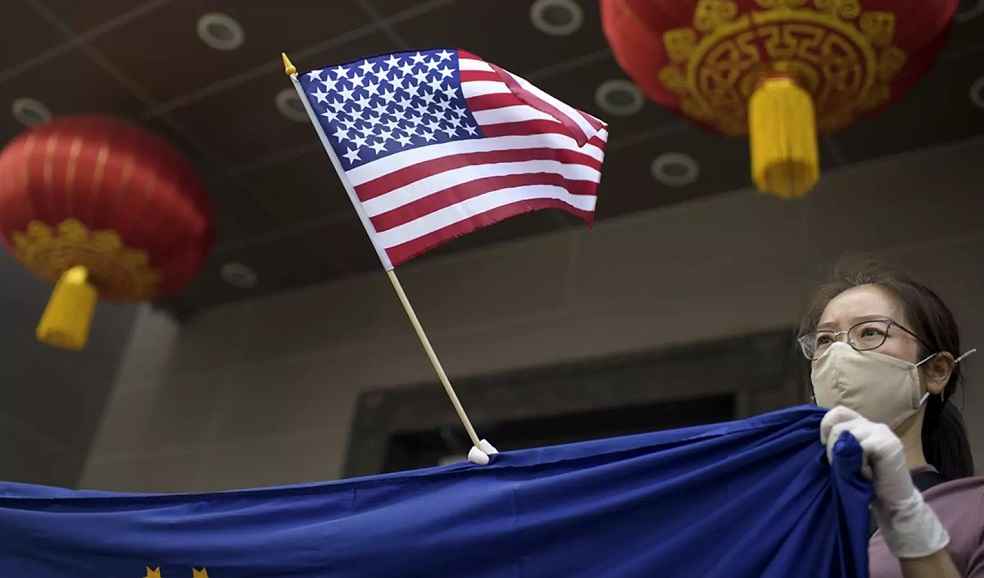
Beijing retaliated on October 10 with new export controls on rare earth materials, citing the need to prevent their military use and requiring special export licenses for related products.
Bessent and Greer criticized the move as a “global supply chain power grab.” Meanwhile, the Trump administration is reportedly considering additional restrictions on software-powered exports to China.
On Friday launched a new tariff probe into Beijing’s alleged failure to meet the terms of the 2020 trade deal.
That deal, which paused the first phase of the trade war, required China to significantly increase purchases of U.S. farm products, manufactured goods, energy, and services, commitments that were never fully met.
TRADE WORLD | Malaysia and Brazil Sign MoUs to Boost Cooperation in Key Sectors