


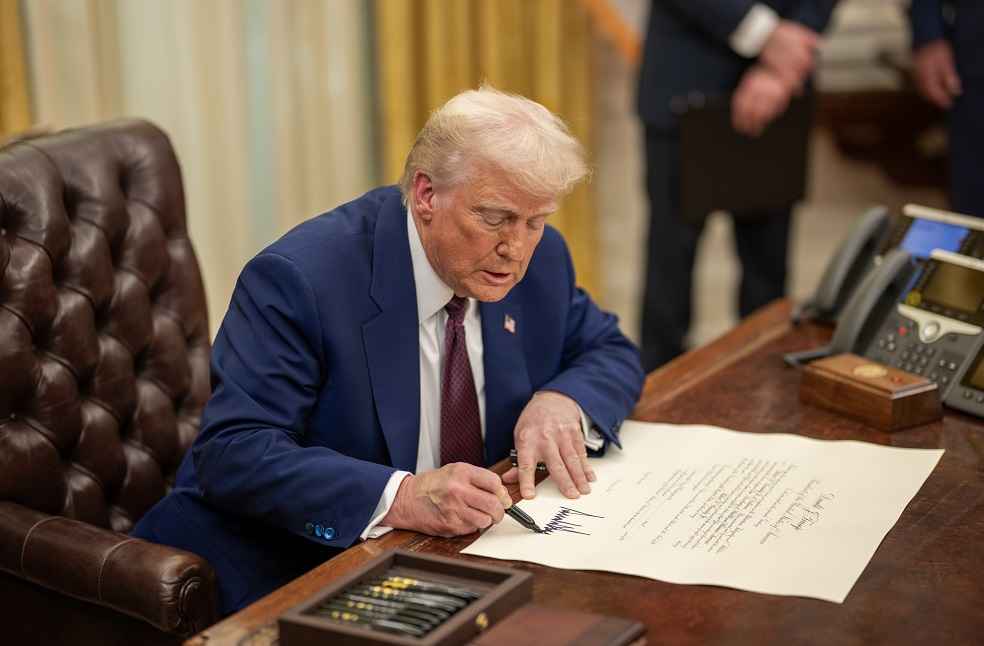
President Donald Trump said on Monday that the United States will raise tariffs on a range of South Korean goods, citing Seoul’s failure to secure legislative approval for a trade framework announced last year.
In a social media post, Trump said import taxes would be increased on automobiles, lumber and pharmaceutical products from South Korea, while tariffs on other goods would rise from 15% to 25%.
The tariffs were originally imposed after Trump declared an economic emergency and bypassed Congress, while South Korea’s National Assembly must formally approve the framework that was announced in July and reaffirmed during Trump’s visit to the country in October.
“Our trade deals are very important to America. In each of these deals, we have acted swiftly to reduce our tariffs in line with the transaction agreed to,” Trump said. “We, of course, expect our trading partners to do the same.”
The renewed threat underscores the likelihood that tariff-driven negotiations will continue to shape global trade this year, creating repeated cycles of uncertainty for international markets and U.S. voters as the administration uses import duties to pressure trading partners into new concessions.
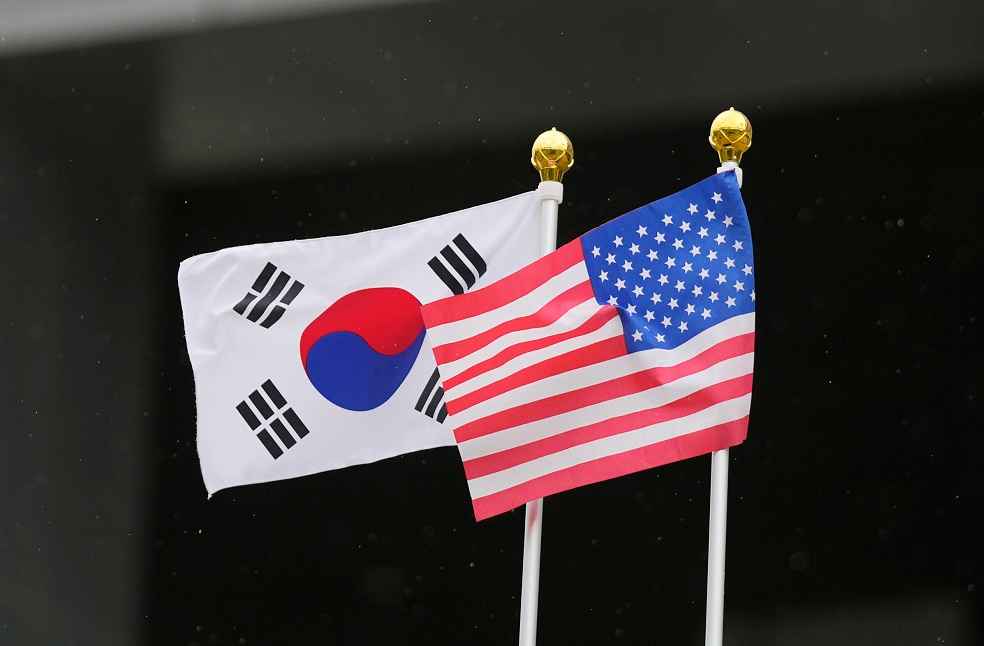
Trump has previously linked the tariffs to South Korea’s commitment to invest $350 billion in the U.S. economy over several years, including projects aimed at revitalizing American shipyards.
Relations between the two countries have also faced strain, including a high-profile immigration raid last year at a Hyundai manufacturing site in Georgia that resulted in the detention of 475 workers.
South Korea’s presidential office said after a meeting of senior officials that it will convey its commitment to implementing last year’s agreement to Washington.
Industry Minister Kim Jung-Kwan is scheduled to travel to the United States for talks with Commerce Secretary Howard Lutnick, while Trade Minister Yeo Han-koo will separately meet U.S. Trade Representative Jamieson Greer. Kim was visiting Canada at the time of the announcement.
Lawmakers in Seoul have submitted five bills related to the proposed $350 billion investment package to the National Assembly, where they are currently under review by the finance committee. Kim Hyun-jung, a spokesperson for the ruling Democratic Party, said the party will coordinate with the government to accelerate debate and action on the legislation.

Assembly officials said the five bills are likely to be consolidated into a single proposal, which must clear both the finance and judiciary committees before being brought to a floor vote.
Trump’s latest tariff warning follows a pattern of aggressive trade tactics that have at times strained relations with allies and trading partners. Last week, he threatened tariffs on eight European countries unless the United States gained control of Greenland, later easing the threat after discussions at the World Economic Forum in Davos.
On Saturday, he also warned of a 100% tariff on Canadian goods if Ottawa proceeds with plans to expand trade ties with China.
While Trump has promoted his trade frameworks as catalysts for increased investment in the United States, several high-profile agreements remain unfinished. The European Parliament has yet to approve a proposed deal that would impose a 15% tariff on most goods exported by the European Union.
The United States is also expected to renegotiate its revised 2020 trade agreement with Canada and Mexico this year, alongside ongoing investigations under the Trade Expansion Act and a pending Supreme Court ruling on whether Trump exceeded his authority in imposing tariffs under emergency powers.
TRADE WORLD | Carney Affirms No Free Trade Agreement with China as Tensions Rise