


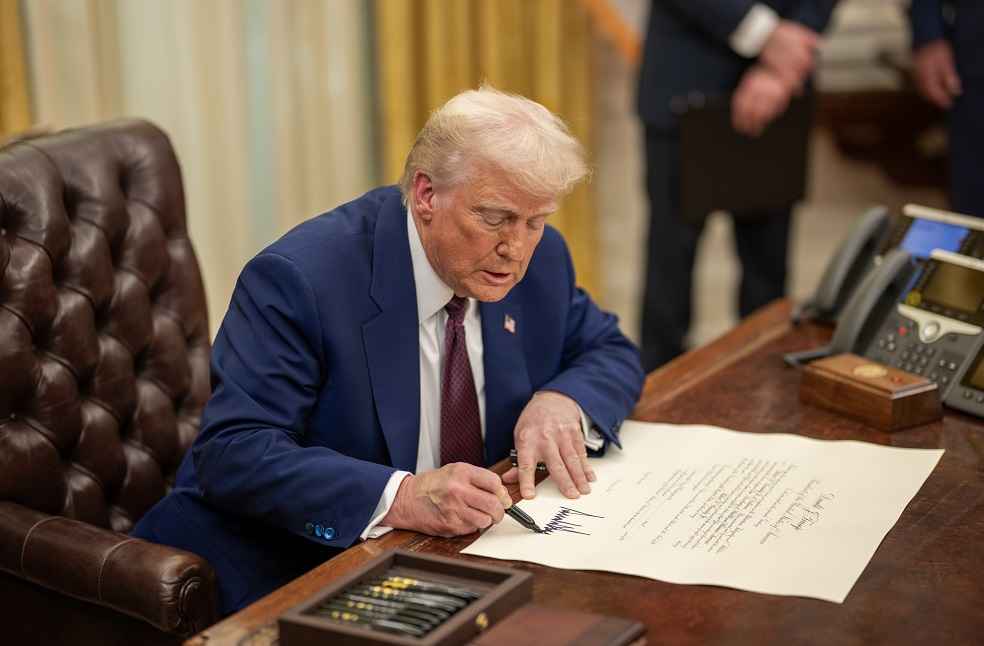
United States President Donald Trump announced on Thursday (Sep 25) a new round of tariffs covering pharmaceuticals, heavy-duty trucks, home renovation materials, and furniture, measures he said were aimed at bolstering American manufacturing and protecting national security.
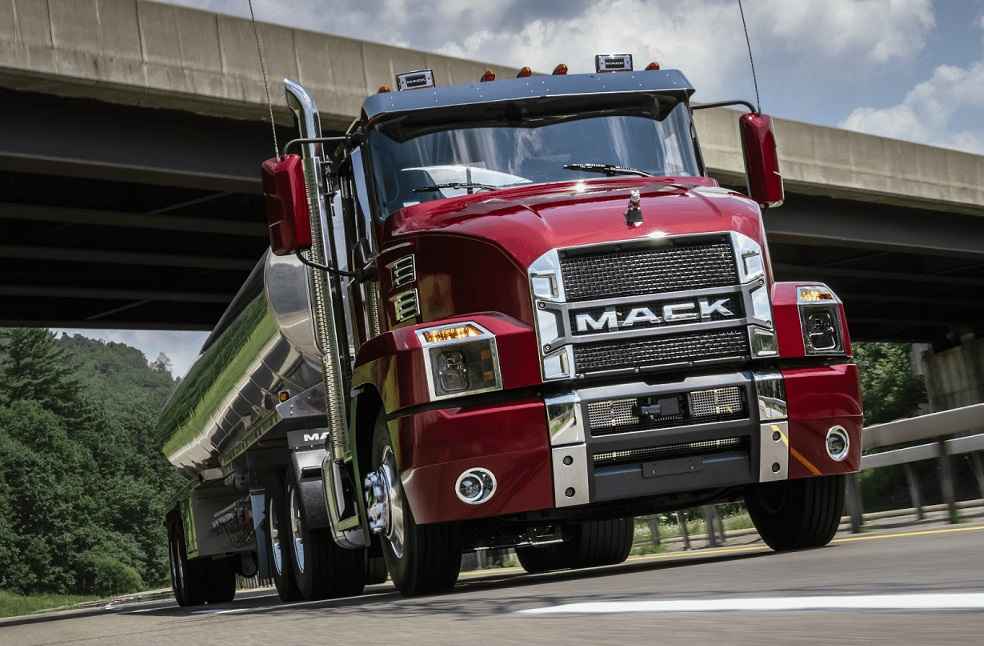
From October 1, branded or patented pharmaceuticals will face a 100% tariff unless the manufacturer is building production facilities in the U.S. In a separate statement, Trump confirmed a 25% tariff on heavy trucks imported from outside the country, describing the move as essential for ‘national security purposes’ and to shield domestic producers, including Peterbilt, Kenworth, Freightliner, and Mack Trucks.
The administration also set duties of 50% on kitchen cabinets, bathroom vanities, and related products, along with a 30% tariff on upholstered furniture. Trump had earlier pledged to revive furniture manufacturing in states such as North Carolina, South Carolina, and Michigan, where industry employment has fallen sharply over the past two decades.
Tariffs have become a central feature of Trump’s second term, deployed as both an economic and foreign policy tool. His administration has launched multiple probes into the security implications of imports ranging from semiconductors to timber and copper, laying the groundwork for additional measures. Treasury Secretary Scott Bessent has projected tariff revenues could reach $300 billion this year, more than triple recent annual levels.

The new truck levies could carry wider economic consequences. Mexico, the top exporter of medium- and heavy-duty trucks to the U.S., has warned of disruption, noting that its vehicles typically include around 50% American content. The U.S. Chamber of Commerce and Japanese manufacturers have also opposed the move, arguing that imports from close allies do not pose security risks. Analysts warn that higher tariffs on vehicles could increase transportation costs and complicate Trump’s vow to ease inflationary pressures.
Pharmaceutical producers and business groups have similarly pushed back. The Pharmaceutical Research and Manufacturers of America has said that over half the value of drug ingredients consumed in the U.S. is already manufactured domestically, with most of the remainder sourced from Europe and other allied nations.

The latest announcements leave open questions about whether the tariffs will apply on top of existing duties or whether exemptions will cover trading partners with whom the U.S. has agreements, such as the European Union and Japan. They also highlight the administration’s move to anchor its trade actions in established legal authorities, amid uncertainty over a Supreme Court case challenging the scope of presidential tariff powers.
POLICY & LAW | Vietnam Implements Key Export Measures to Diversify Markets