


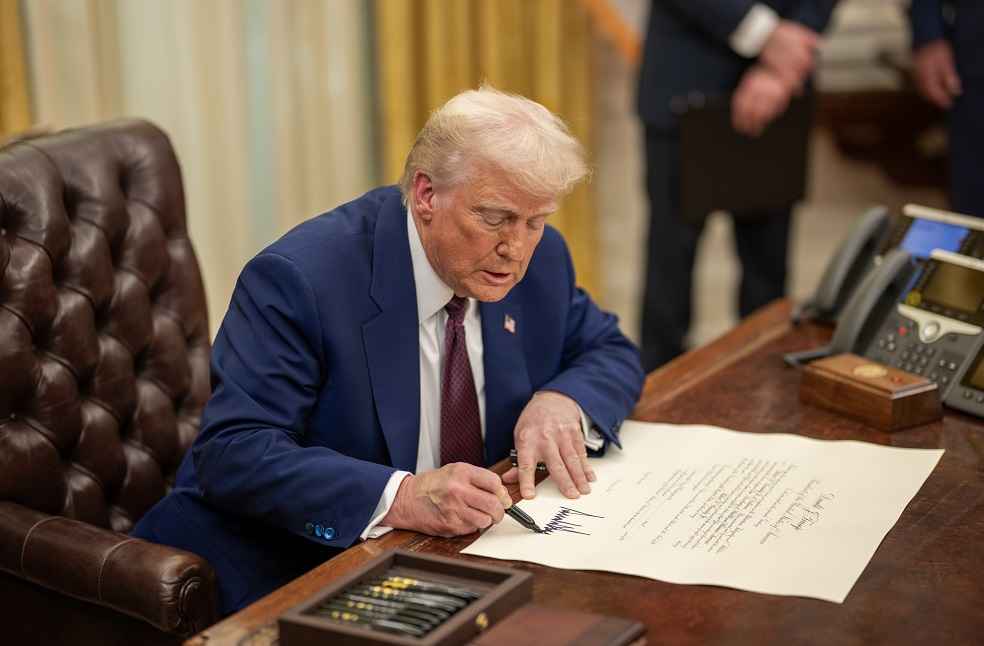
The United States nears the end of a 90-day pause on proposed tariffs, with President Donald Trump signaling duties could begin as early as August 1. The move, part of Trump’s ‘reciprocal’ tariff strategy, aims to reduce U.S. trade deficits and revive domestic industry. But it’s escalating global protectionism, which could lead to global economic disruption.
According to Bloomberg, the tariffs could push average U.S. import duties to 20%, up from 3% when Trump took office. Though the administration claims the levies target foreign exporters, economists warn that U.S. importers, and ultimately consumers, bear the brunt of the cost. Critics argue this shift away from alliance-based trade undermines decades of progress under WTO frameworks.

Businesses and governments worldwide are responding with caution. In Europe, Germany reported a sharper-than-expected drop in factory orders, while the UK, France, and Italy prepare to release key economic indicators. The Bank of England’s stability report and eurozone finance ministers’ meeting will reflect growing concern.
Asia’s central banks are balancing inflation control and growth support. Australia is expected to cut interest rates for the third consecutive time, while South Korea, Malaysia, and New Zealand are likely to hold rates steady. China, Japan, and ASEAN nations will release economic data this week amid slowing global demand.
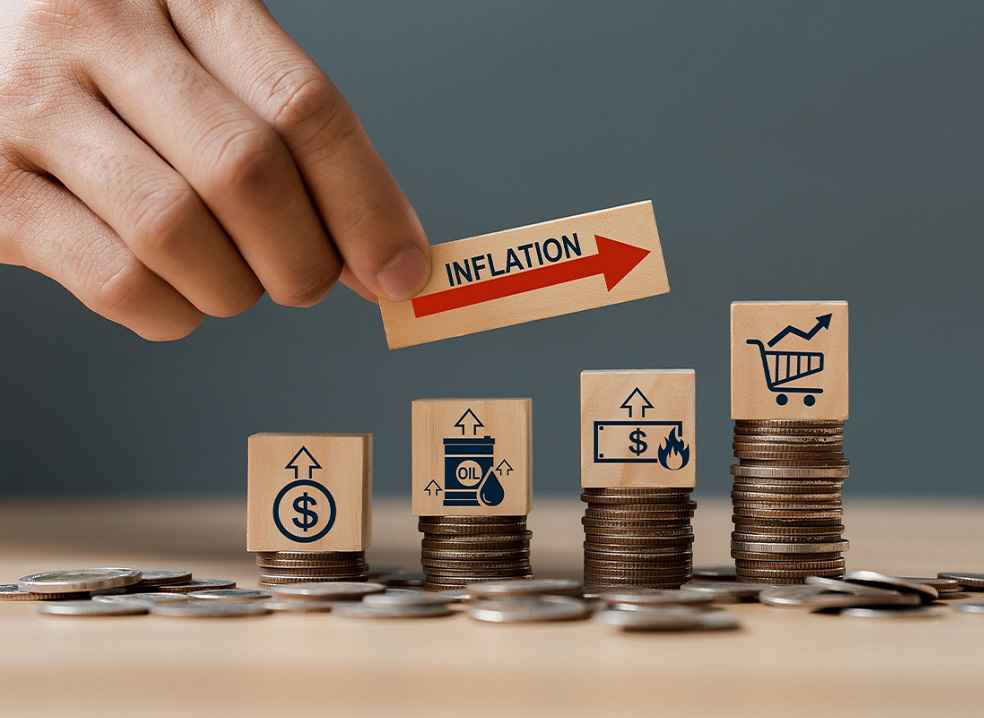
Latin America’s focus is inflation. Colombia, Chile, Mexico, and Brazil are set to release new data, with some central banks weighing further rate cuts.
Despite strong U.S. hiring figures, investors remain alert for Federal Reserve signals on policy direction. Canada’s labor market also shows signs of strain.
As the tariff deadline looms, governments from Berlin to Delhi and Brasília must weigh the risk of conceding to U.S. pressure against the economic fallout of a protectionist shift that could reshape global trade for years.
METAL WORLD | Malaysia Enforces Anti-Dumping Tariffs on Steel and Iron Imports