


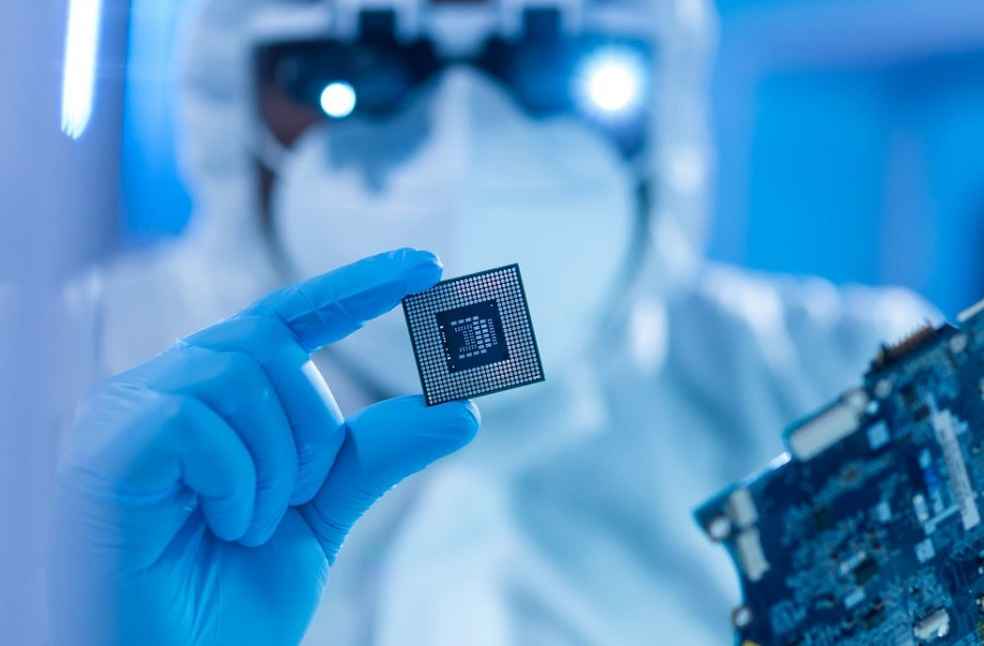
President Donald Trump imposed a 25% tariff on ‘certain advanced computing chips’ on Wednesday, according to a White House fact sheet. The measure applies to Nvidia’s H200 and AMD’s MI325X chips, though imports intended for strengthening the U.S. technology supply chain are exempt.
The decision is part of Trump’s wider effort to strengthen U.S. technology manufacturing and secure the nation’s position as a global leader in artificial intelligence.
The White House fact sheet also indicated that the president may soon extend tariffs to a wide range of semiconductors and related products.
Trump invoked national security and Section 232 of the 1962 Trade Expansion Act to justify the tariff, which authorizes presidents to impose duties on specific products. He previously stated that Nvidia could sell its H200 chip in China, but the United States would claim a 25% share.
Nvidia praised Trump’s move to strengthen the U.S. chip industry, highlighting its role in supporting high-paying jobs and domestic manufacturing. The company noted that offering the H200 to approved commercial customers reflects a balanced approach that benefits the country.
Meanwhile, AMD affirmed compliance with all U.S. export regulations and policies.
This isn’t the first time Trump has proposed tariff exemptions to encourage domestic manufacturing. In August, he threatened to impose 100% tariffs on chips and semiconductors but indicated that companies investing in U.S.-based production would be exempt.

Trump has also positioned AI as a central focus of his second term, signing several executive orders on the technology and unveiling an AI action plan aimed at reducing regulations and promoting wider adoption and development of AI.
In August, Nvidia and AMD agreed to remit 15% of their chip sales in China to the U.S., though that arrangement appeared to apply only to older chips from both firms.
TEXTILE & APPAREL | Indonesia to Launch a State-Owned Enterprise to Aid Textile Industry