


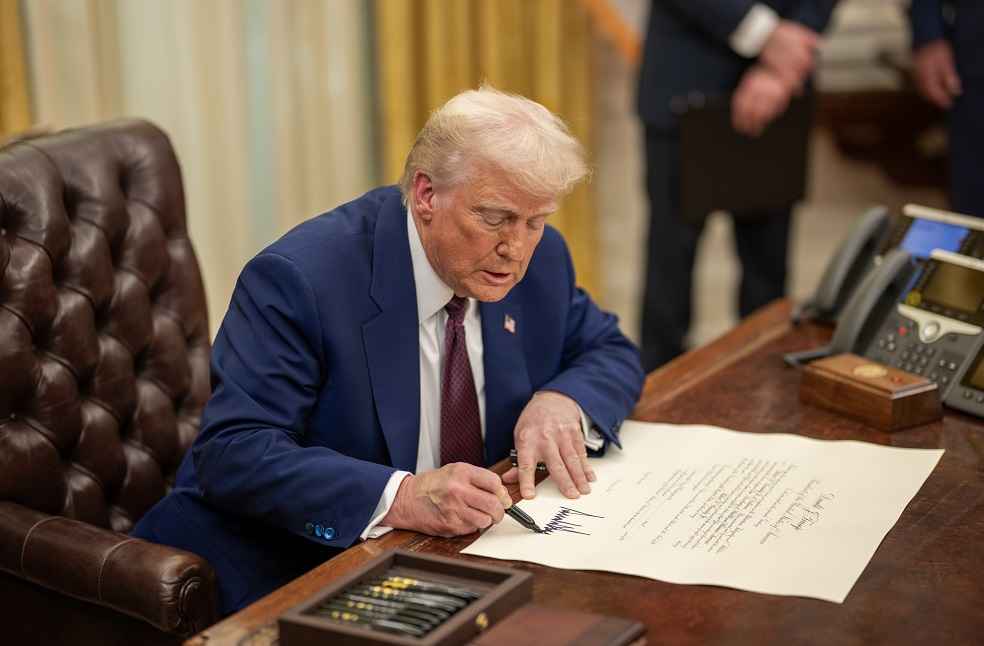
U.S. President Donald Trump has signed an executive order that will provide tariff exemptions starting Monday for trading partners who finalize agreements on industrial exports, according to a White House statement on Saturday.
The order applies to over 45 types of goods, mainly industrial products that the U.S. either doesn’t manufacture domestically or lacks in sufficient supply. Among these are nickel, which is vital for stainless steel and EV batteries, various forms of gold, including powder, foil, and bullion, as well as compounds used to produce generic drugs like the anesthetic lidocaine and substances for medical testing. Additional items include chemicals, graphite, neodymium magnets, and LED bulbs.
In the tariff order, Trump stated that he is open to lowering tariffs depending on the “scope and economic value of a trading partner’s commitments to the United States in its agreement on reciprocal trade.”
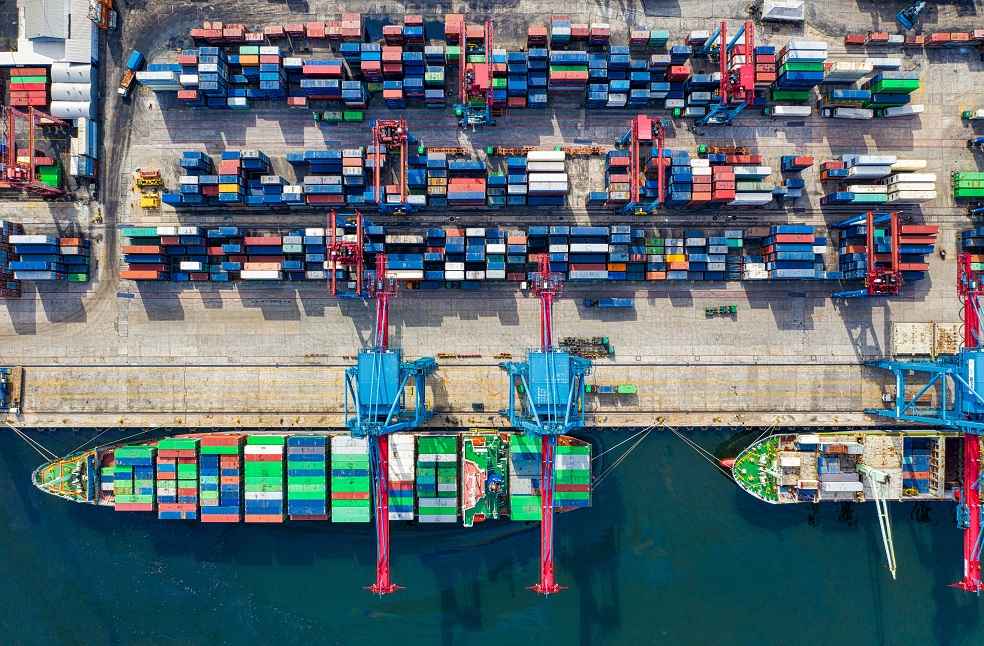
The order brings U.S. tariffs in line with commitments made in existing agreements with allies such as Japan and the European Union. A White House official noted that exemptions will also extend to certain agricultural products, aircraft components, and medical-related items.
Nations that have entered into reciprocal trade agreements with the United States will gain from the order, as it authorizes the U.S. Trade Representative, the Commerce Department, and customs officials to waive tariffs on eligible imports without requiring a fresh executive directive.
Meanwhile, the order also removes previous exemptions for plastics and polysilicon, both materials essential for the manufacturing of solar panels.
Trump imposed tariffs on nations that have trade deficits with the U.S. and has used them as a tool to address trade imbalances with other countries. He emphasized that his administration’s trade policy continues to prioritize safeguarding U.S. industries while benefiting partners engaged in strategic cooperation.
IMEX SECTOR | China Imposes Anti-Dumping Tariffs on EU Pork Amid Trade Row