


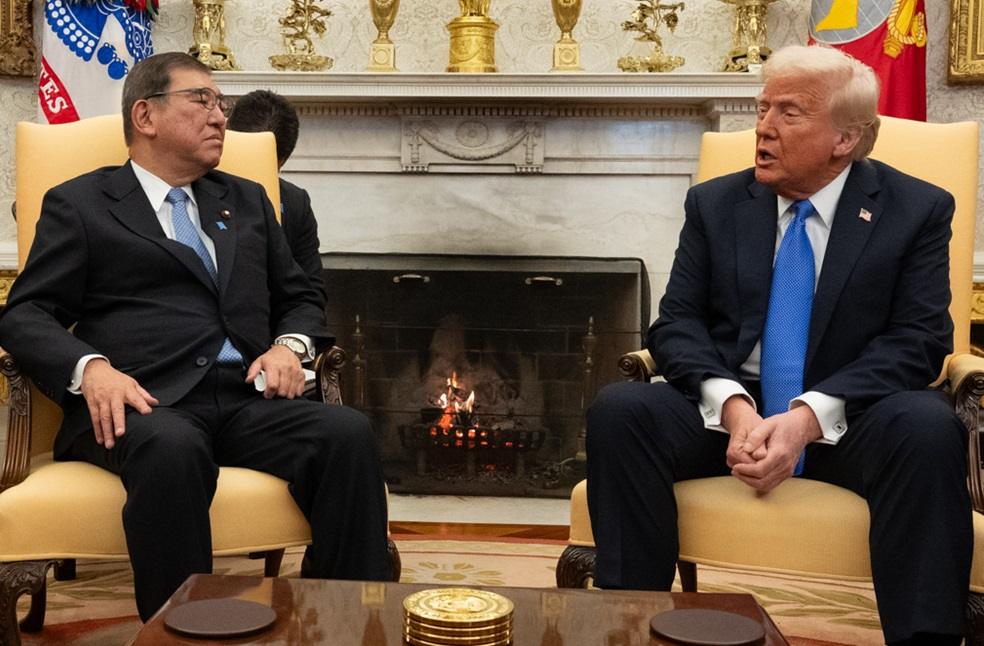
President Donald Trump declared on Wednesday that the United States has secured a trade agreement with Japan, which will lower tariffs on Japanese goods from 25% to 15%.
“We just completed a massive deal with Japan, perhaps the largest deal ever made,” Trump wrote on Truth Social.
As part of the trade deal, Japan will invest $550 billion in the United States, with the U.S. set to receive 90% of the profits. He also stated that Japan will open its market to American exports, including cars, trucks, rice, and various other agricultural products.
The newly declared 15% tariff rate is lower than both the 25% tariff proposed earlier this month and the 24% duty floated on ‘Liberation Day’ in early April.

Japan’s Prime Minister Shigeru Ishiba praised the deal, noting that it marked the lowest trade surplus figure so far among nations maintaining a trade surplus with the United States.
As reported by Reuters, Ishiba stated that under the agreement, auto tariffs on Tokyo will be reduced from the current global rate of 25% to 15%. “We were the first in the world to reduce tariffs on cars and auto parts without any quantity restrictions,” Ishiba added.
According to U.S. government data, Japan ranks as the fifth-largest trading partner of the United States. Last year, Japan purchased $79.7 billion in American goods, while the U.S. imported $148.2 billion worth of products from Japan. Notably, over one-third of those imports, amounting to $52.3 billion, consisted of automobiles and automotive parts, reflecting the strength of Japan’s auto sector.
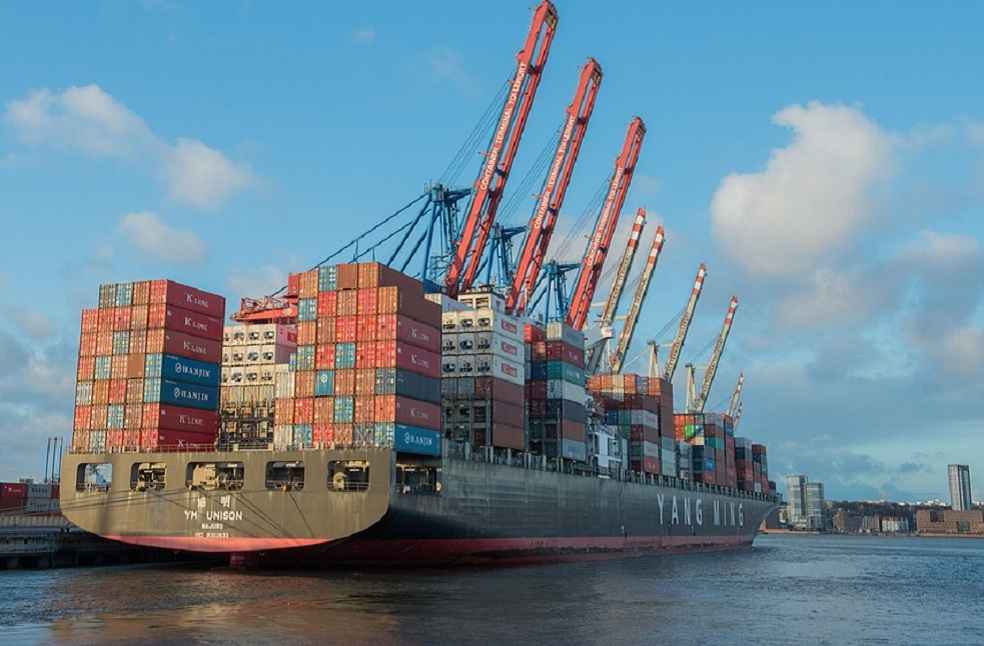
For Japan, the cut in tariffs provides a competitive edge over other leading car-exporting nations that have been subject to a 25% tariff on automotive exports since April.
Following the deal, shares of Japanese automakers surged on the Tokyo Stock Exchange.
Apart from these, Japan will continue talks with the United States on additional tariff issues excluded from Tuesday’s agreement, such as steel and aluminum, which are still subject to a 50% duty.
Ishiba emphasized that the deal does not involve any tariff reductions on Japan’s part.
Japan’s primary exports to the United States consist of vehicles, industrial machinery, and electronic and electrical devices. In contrast, the United States exports chemicals, plastics, rubber, and leather products to Japan.
ENERGY INDUSTRY | U.S. Trade Probe Threatens Growth of Indian Solar Exports