


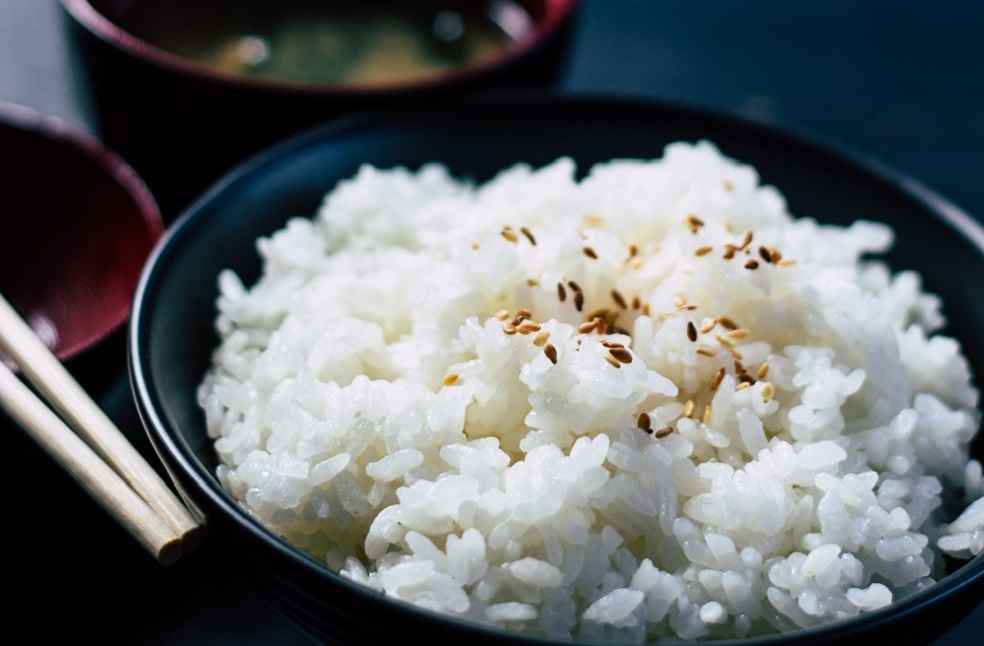
Thailand’s rice exporters have expressed limited concern over the newly imposed 19% U.S. tariff on Thai imports, which took effect on August 1, 2025, under an executive order signed by U.S. President Donald Trump. Industry leaders say broader market trends, such as global oversupply and shifting trade dynamics, pose a greater challenge than the tariff itself.
Charoen Laothamatas, President of the Thai Rice Exporters Association, stated that the tariff, reduced from a previously proposed 36%, does not significantly disadvantage Thailand compared to Vietnam, which faces a 20% duty. He noted that Thai jasmine rice, which dominates the U.S. market, is priced similarly to Vietnam’s rising competitor, ST21.
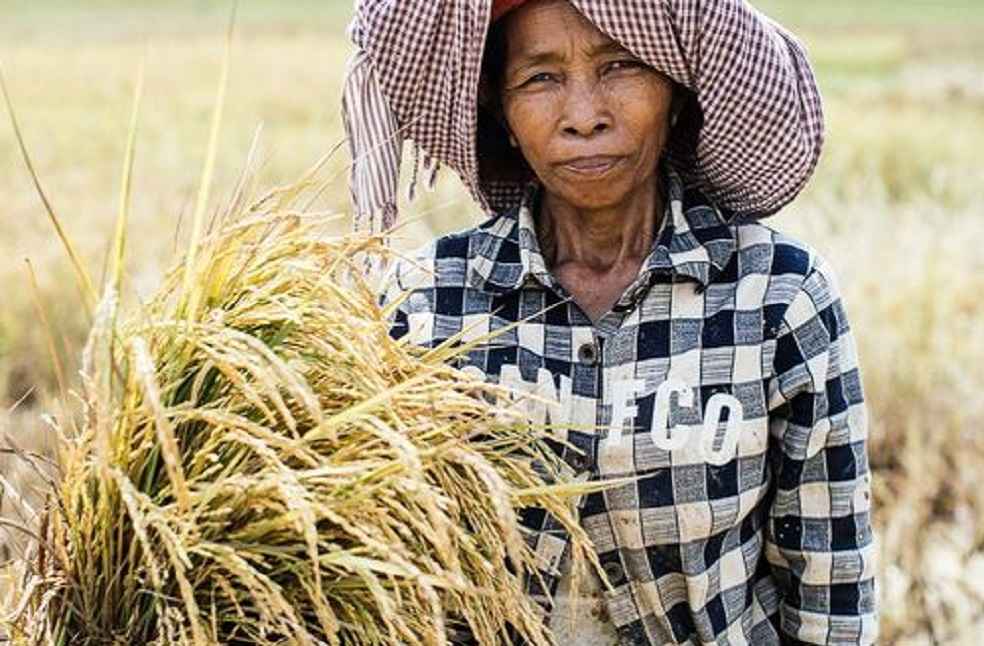
Charoen acknowledged that while the tariff may slow the erosion of Thailand’s market share, Vietnam’s potential to expand production could threaten Thai exports in the long term. “Selling rice at high prices isn’t always a good thing,” he warned. “If competitors enter with lower prices, they will take market share. Moderate pricing and higher volumes are more sustainable.”
Concerns are also growing over Japan’s rice import allocations. Thailand currently exports around 300,000 tons of 5% white rice to Japan annually, but there is speculation that Japan may divert a portion of this quota to the U.S. Jasmine rice shipments to Japan remain minimal and are mostly used in the restaurant sector.
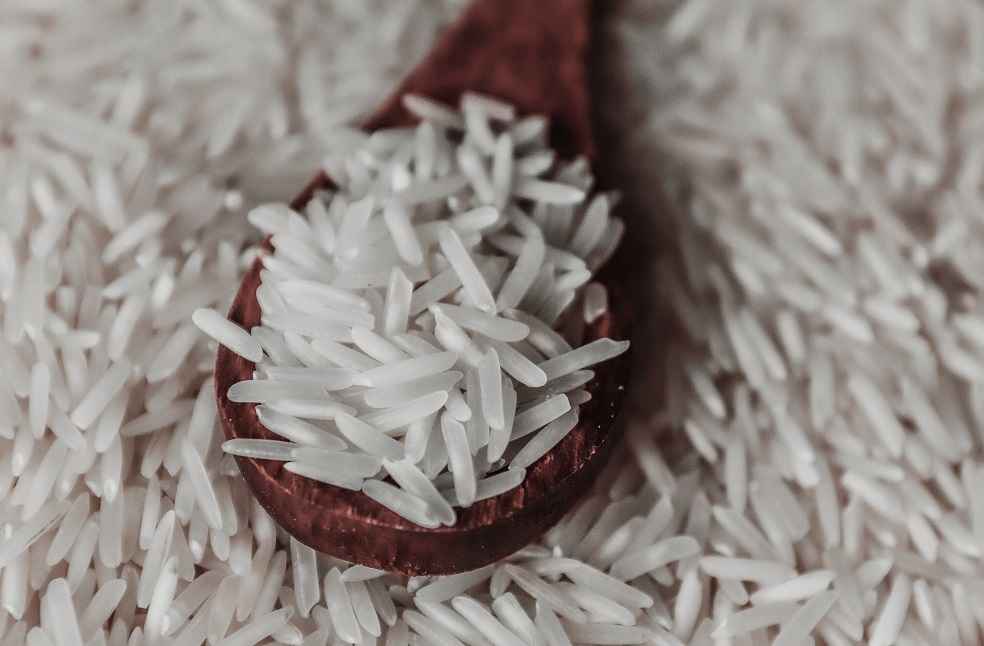
Charoen concluded that tariffs are part of the evolving international trade environment and must be accepted by exporters. He added that the global reliance on free trade may diminish over time, urging Thai businesses to adapt strategically to these changes.
TRADE WORLD | Brazilian Exports See Exemptions Amid Rising U.S. Tariff Hikes