


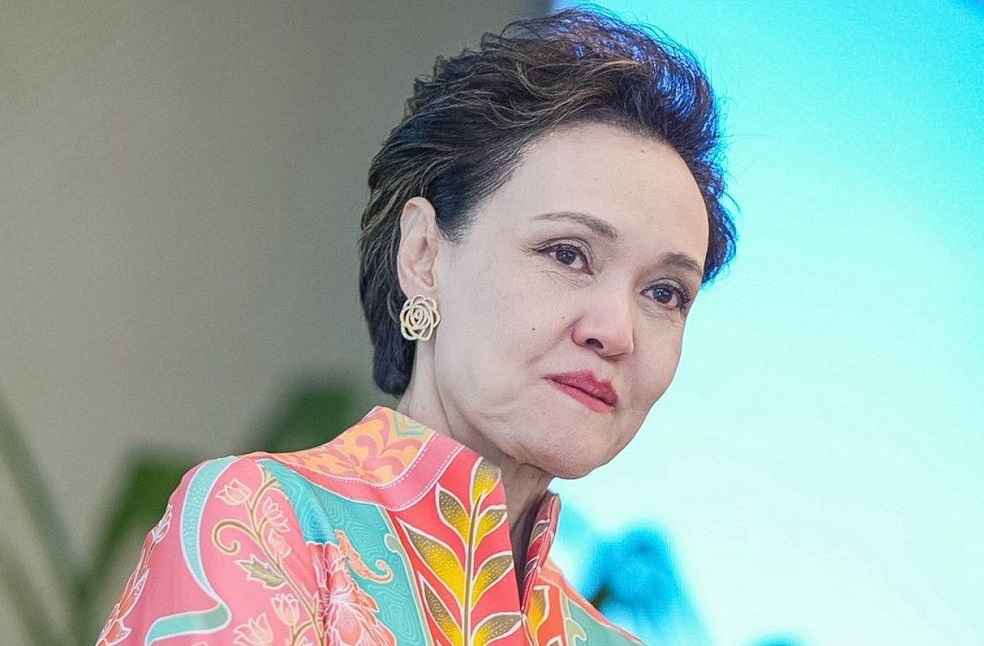
Thailand must strengthen its role as a ‘trusted partner’ in an increasingly polarized global environment, where trade strategy and foreign policy need to move in step to manage geopolitical and economic shifts, Commerce Minister Suphajee Suthumpun said on Monday.
Speaking at an international seminar organized by the International Institute for Trade and Development at the Ministry of Foreign Affairs, Suphajee warned that Thailand can no longer operate in isolation as global trade patterns undergo rapid transformation.
Addressing more than 150 participants, she said trust has become the most valuable currency in modern trade, adding that sustainable partnerships depend on credibility rather than one-sided relationships.
The minister acknowledged that Thailand faces mounting challenges driven by geopolitical tensions, climate pressures, and technological disruption.

In what she described as a multipolar and highly polarized world order, trade has become increasingly vulnerable, requiring careful positioning and closer coordination across government agencies.
Despite global uncertainty, Suphajee pointed to strong investment momentum as a sign of continued confidence in the Thai economy. Applications for investment promotion through the Board of Investment reached around 1.8 trillion baht in 2024, with foreign direct investment accounting for approximately 1.35 to 1.36 trillion baht.
The proposed projects span strategic sectors such as data centers, artificial intelligence, advanced semiconductors, next-generation automotive technology, biotechnology, and future food processing, industries she said would help move Thailand toward a new phase of economic development.
Outlining Thailand’s evolving trade strategy, Suphajee said the country must move beyond traditional export models focused solely on bilateral balances. Instead, she described a “sell with, sell through” approach that emphasises integration into global supply chains and regional production networks.
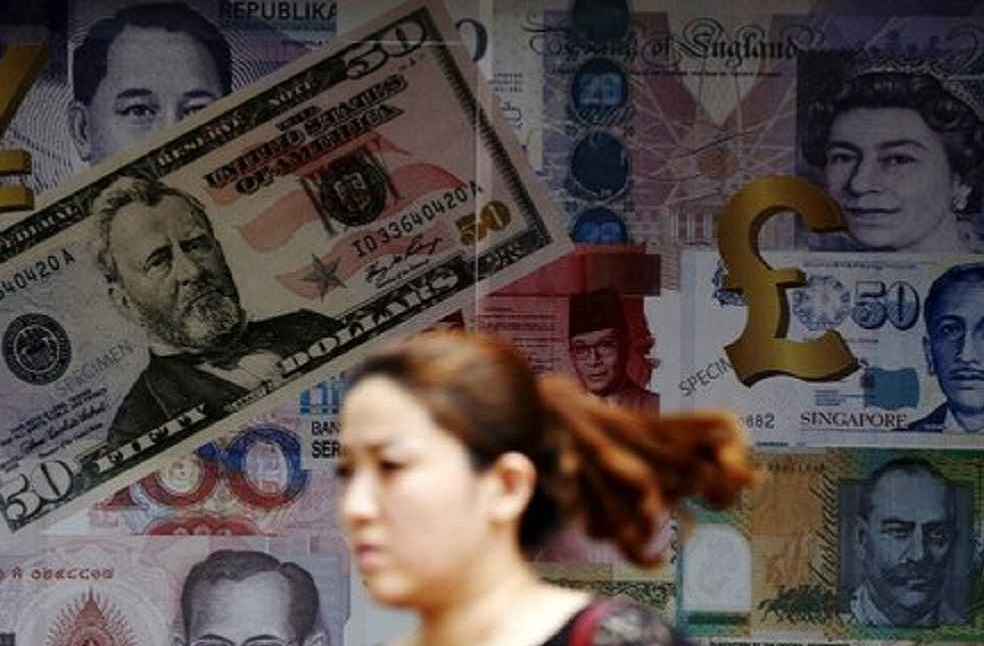
Thailand’s geographic location at the center of ASEAN, combined with access to 40 active free trade agreements, positions it as a gateway to wider Asian markets. Three additional FTAs have been signed but are not yet in force, while five more remain under negotiation.
She acknowledged that many existing agreements require modernization to reflect changes in digital trade and emerging industries. Some FTAs have been in place for more than three decades and lack provisions for new economic realities.
Suphajee added that none of Thailand’s current FTAs are fully utilized, with many businesses failing to take advantage of available benefits. The Ministry of Commerce plans to expand training and awareness programs to improve private sector participation.
The minister also highlighted progress on the ASEAN Digital Economy Framework Agreement, which Thailand is helping to facilitate. Around 73% of the framework was agreed upon during last year’s ASEAN summit, with consensus now nearing 80%. Suphajee said the goal is to finalize the text by April, paving the way for a signing at the bloc’s fourth-quarter summit.

If completed, the agreement would create the world’s first regional digital trade framework among neighboring economies, covering infrastructure, regulatory standards, and knowledge sharing aimed particularly at supporting small and medium-sized enterprises.
ASEAN has set a target to double intra-regional trade from one trillion U.S. dollars to two trillion U.S. dollars, and Suphajee said the digital framework could help Thai SMEs tap into a combined market of more than 600 million people, offsetting challenges linked to Thailand’s aging population and relatively smaller domestic market.
She stressed that effective coordination across government institutions is essential to achieving these goals, describing a ‘Team Thailand’ approach involving the Ministries of Commerce, Foreign Affairs, and Finance to align investment promotion, trade policy, and diplomatic strategy.
The seminar, titled ‘Navigating Global Trade Shifts: Insights from the UNCTAD Trade and Development Report and Strategic Implications for Thailand,’ brought together policymakers, ambassadors, and trade specialists to assess global economic trends and outline Thailand’s strategic response to a rapidly changing world economy.
LEADERS SPOT | Xi Jinping Pushes Domestic Demand as Trade Pressures Rise