



Thailand presented a new proposal to the United States on Sunday and expressed its willingness to make further adjustments if tariff negotiations fail to reach an agreement, according to Finance Minister Pichai Chunhavajira.
On Monday, Pichai Chunhavajira shared the latest developments in tariff discussions with the United States while addressing reporters at Government House in Bangkok. He noted that the new proposal builds upon the foundational framework that Thailand had submitted earlier.
Pichai stressed that talks were confined to tariffs and product list negotiations. He further stated that, at this point, only a limited number of countries had successfully concluded deals with the United States.
“There are still many areas under review on the U.S. side,” Pichai said.
Thailand’s proposals extend beyond tariff rate matters, and the agreement remains open to future refinement and ongoing improvements.
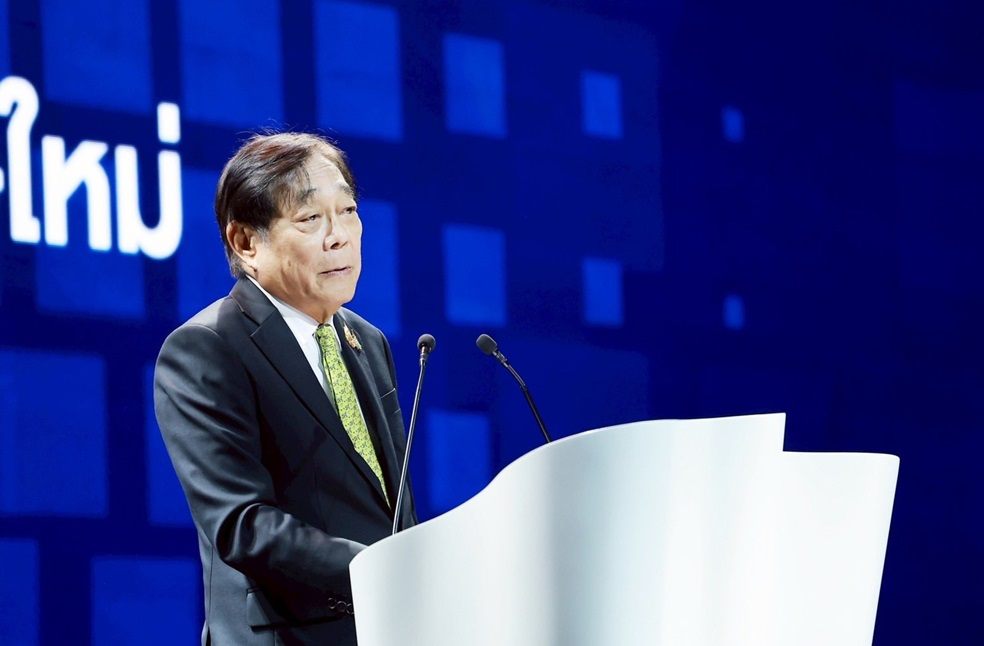
Pichai explained that the proposal has been modestly updated from its original form, with a particular focus on two priorities: accelerating measures to rebalance trade with the United States and promoting bilateral commerce through reduced trade barriers.
He noted that a proposed offering of 0% import tariffs has been included and applies to a broad range of U.S. goods, though not all eligible products are included in the deal. These concessions would be carefully structured to safeguard Thailand’s existing trade partnerships.
Regarding agricultural imports, he clarified that each item would undergo a thorough evaluation to determine which products Thailand could reasonably accept.

Finance Ministry Permanent Secretary Lavaron Sangsnit described Thailand’s revised proposal as strong and likely to capture U.S. attention. He cautioned that simply lowering tariffs doesn’t guarantee an improved trade balance, as trade volumes must also grow to prevent the current imbalance. Lavaron explained that Thailand’s proposal outlines strategic measures that can genuinely improve the trade balance and send a clear message to the United States that the issue is not being overlooked.
TRADE TECH | India’s Electronics Manufacturing Hit by Gold Curbs, China’s Export Limits