


The Thai Chamber of Commerce has warned that uncertainty surrounding U.S. trade policy is intensifying after President Donald Trump announced an immediate increase in global import tariffs from 10% to 15%, a move that could place fresh pressure on export-driven economies and currency stability across Asia.
The chamber said the latest tariff decision signals that Washington continues to treat trade barriers as a strategic economic instrument, even after a recent U.S. Supreme Court ruling affected earlier tariff measures. For Thailand, whose economy relies heavily on overseas shipments, the escalation risks weakening export competitiveness while increasing volatility in the baht.
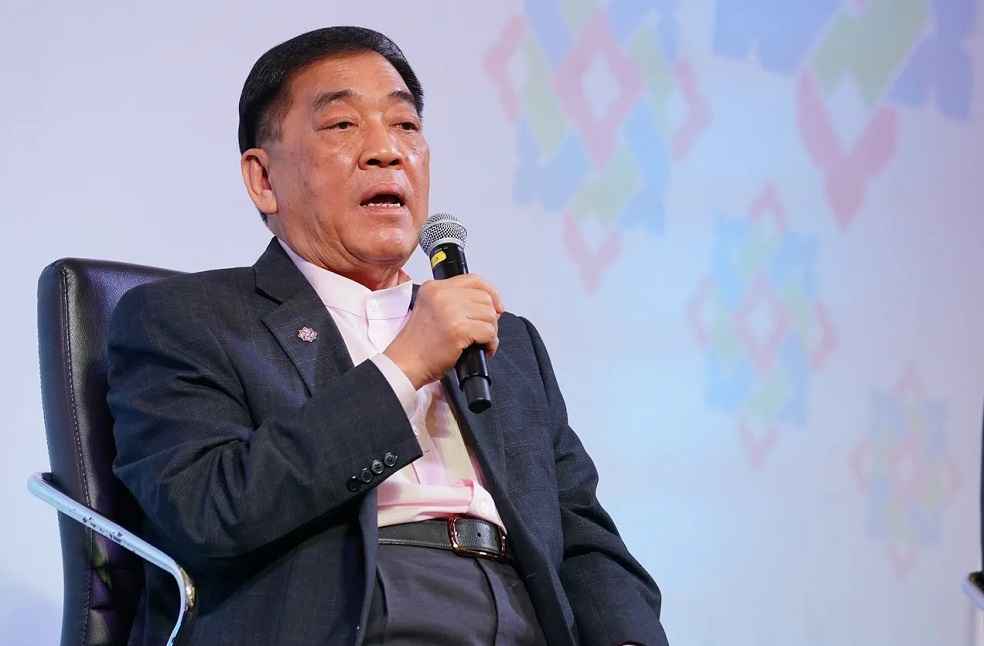
Dr. Poj Aramwattananont, Chairman of the Thai Chamber of Commerce and the Board of Trade of Thailand, described the current phase of U.S. trade policy as one marked by heightened uncertainty.
He noted that although the court ruling may influence previously announced reciprocal tariffs, the broader trajectory of American trade strategy remains in transition, with new tariff mechanisms likely to emerge.
According to him, the immediate jump to a 15% import tariff shows that the U.S. administration continues to rely on tariffs as a flexible tool to advance economic and geopolitical objectives.
The chamber stressed that the higher tariff rate sends a clear signal to global markets that trade barriers will remain a central policy lever, creating ripple effects across supply chains and increasing competitive pressure on export-dependent economies such as Thailand.
Businesses are already adjusting to shifting sourcing patterns and rising compliance costs as manufacturers reconsider production locations and logistics networks.
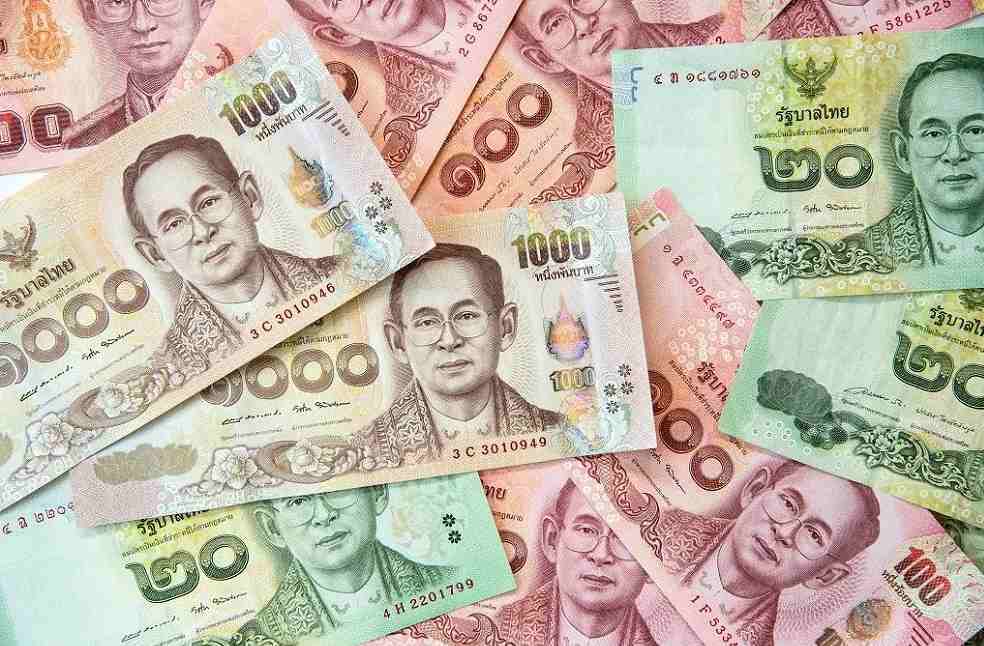
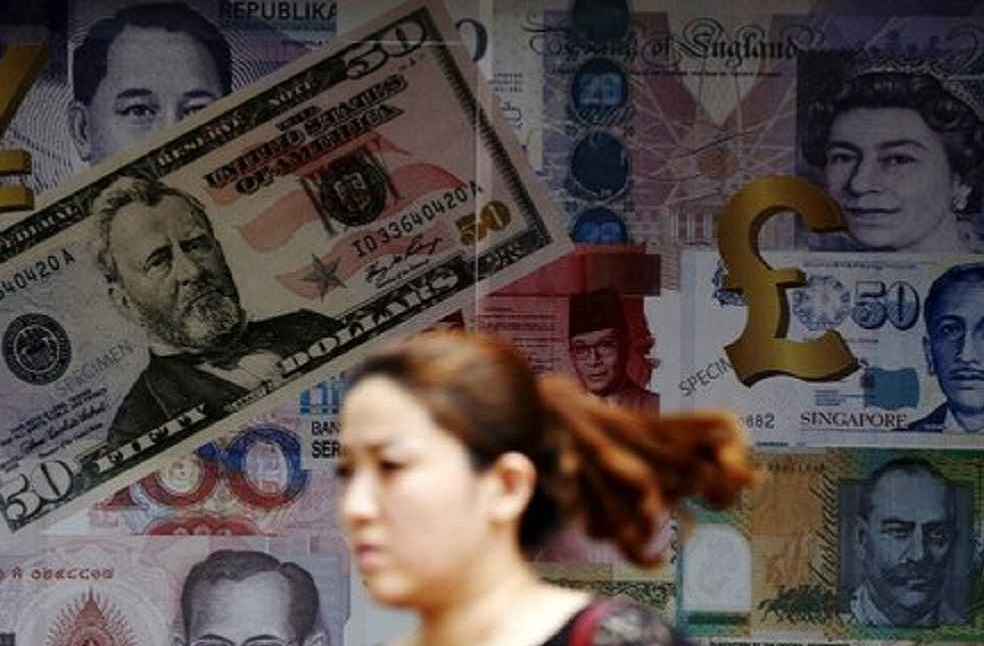
Currency dynamics are adding another layer of risk. The chamber warned that economic uncertainty in the United States could weaken the dollar, particularly if previously collected tariffs are refunded. A stronger baht against a softer dollar would raise the relative price of Thai exports, compounding the impact of higher tariffs and squeezing margins in industries that rely on high volume and thin profits.
Thai businesses, the chamber said, are confronting three immediate challenges. Export costs are rising due to new tariff structures, regulatory ambiguity is complicating planning decisions during the next 150 days, and rapid restructuring of global supply chains is intensifying regional competition for foreign investment and manufacturing relocation.
The Thai Chamber of Commerce urged the government to accelerate proactive trade negotiations, deliver clearer policy guidance to businesses, and improve coordination among economic agencies to shield exporters from prolonged volatility.
Dr. Poj argued that the current environment represents both risk and opportunity, saying global trade is undergoing a structural rebalancing that could allow Thailand to upgrade its economic model, strengthen business resilience, and deepen economic diplomacy to secure long-term growth.
TRADE WORLD | U.S. Trade Deficit Hits Record Despite Trump’s Tariffs
