


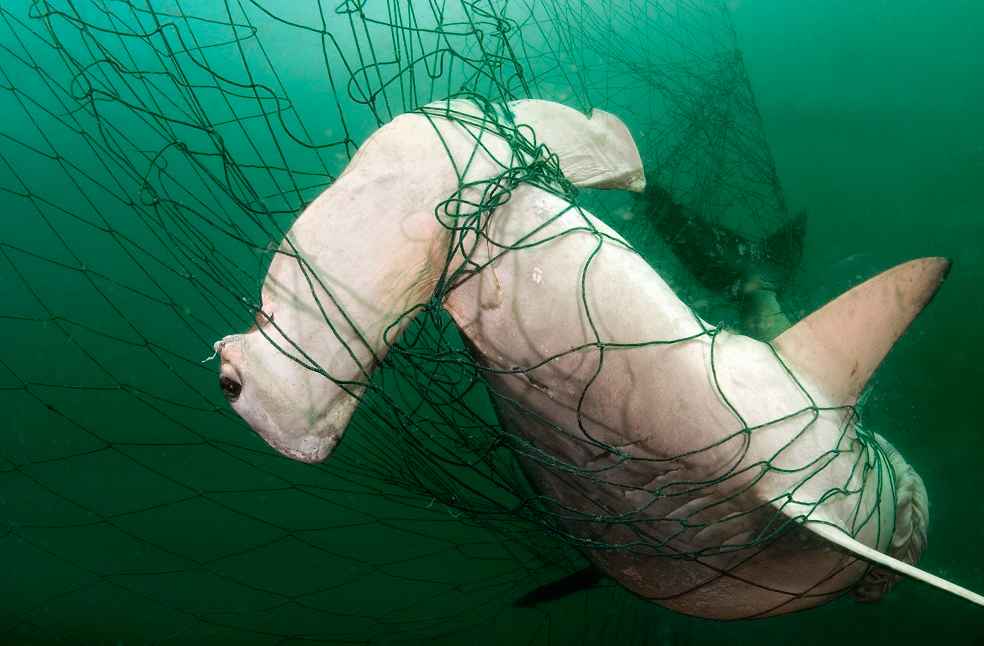
A new study published in Science Advances has exposed the large-scale illegal shark trade threatening endangered species, revealing major lapses in enforcing international wildlife protections.
The findings highlight serious breaches of the Convention on International Trade in Endangered Species of Wild Fauna and Flora (CITES), the global treaty that governs trade in threatened species across 185 nations.
Under CITES, species listed in Appendix II may only be traded if proven legal and sustainable, while Appendix I species are completely banned from commercial exchange.
The study shows that these regulations are widely ignored within the global shark-fin industry, particularly in Hong Kong, long regarded as the hub of international shark-fin trade.
Researchers from Mote Marine Laboratory, Florida International University, and the Wildlife Conservation Society (WCS) uncovered alarming evidence of continued trade in critically endangered sharks, including hammerheads and oceanic whitetips.
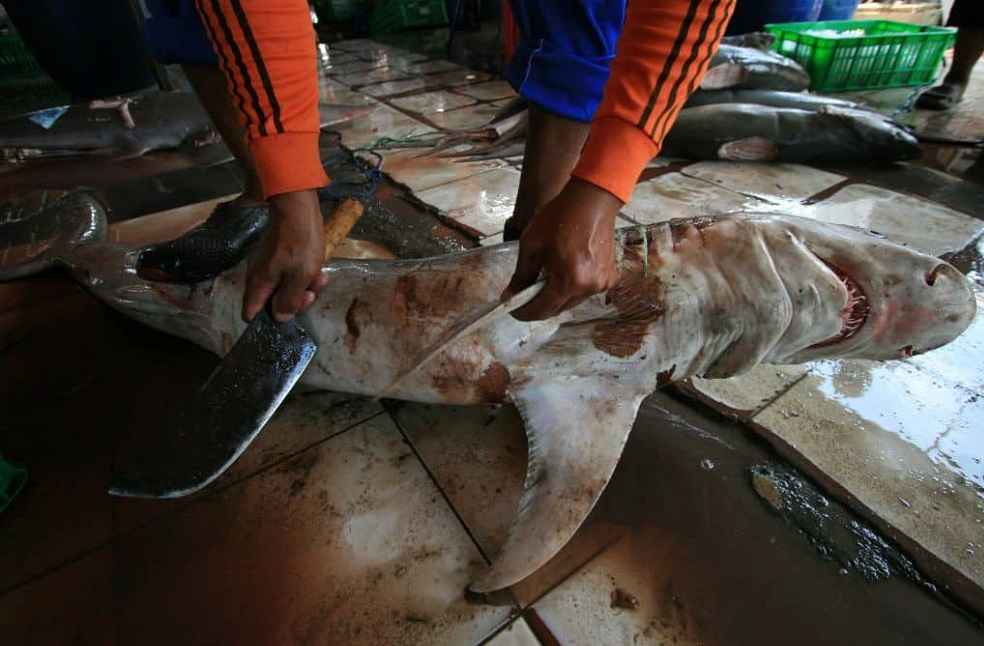
DNA barcoding of more than 16,000 shark fins collected between 2015 and 2021 revealed that 6.5% belonged to CITES-listed species, a figure far exceeding official reports.
In one striking finding, fins from the oceanic whitetip shark appeared 70 times more often in the trade than documented in CITES reports, suggesting that over 95% of its trade is illegal.
“Oceanic whitetip fins are 70 times more common in the trade than documented by CITES, and hammerheads are 10 times more common,” said Dr. Demian Chapman, co-author of the study. “It has been this way since 2014, and unless countries take stronger action, these species may be doomed.”
Luke Warwick, Director of Shark and Ray Conservation at WCS, emphasized the importance of enforcing existing mechanisms. “CITES is the strongest global tool we have to ensure wildlife trade isn’t driving species toward extinction,” he said.
“When it’s implemented properly, it works. Green turtles were once critically endangered under Appendix I, but strong enforcement halted their trade, allowing populations to rebound. That’s the power of CITES. For sharks like the oceanic whitetip, we need the same level of commitment, now.”

The research also revealed that despite DNA evidence tracing traded fins to specific nations, many of those same countries reported no exports of the listed species. This points to systemic failures in trade reporting, monitoring, and traceability.
“This study reveals a systemic failure to uphold existing protections,” said lead author Dr. Diego Cardeñosa. “Critically endangered shark parts are still crossing borders in large volumes despite more than a decade of international safeguards. The science is clear: CITES can stop trade-driven extinctions, but only if countries enforce it.”
Supported by the Shark Conservation Fund, the study represents years of collaboration among WCS, government agencies, NGOs, and academic partners working to improve global governance of marine wildlife trade.
As CITES delegates convene for CoP20 this month, the research stands as a sharp warning: without stronger enforcement, accountability, and international cooperation, some of the world’s most endangered sharks may soon disappear from the oceans altogether.
LOGISTICS INDUSTRY | Panama Canal to Build Gas Pipeline and Ports for Trade Boost