


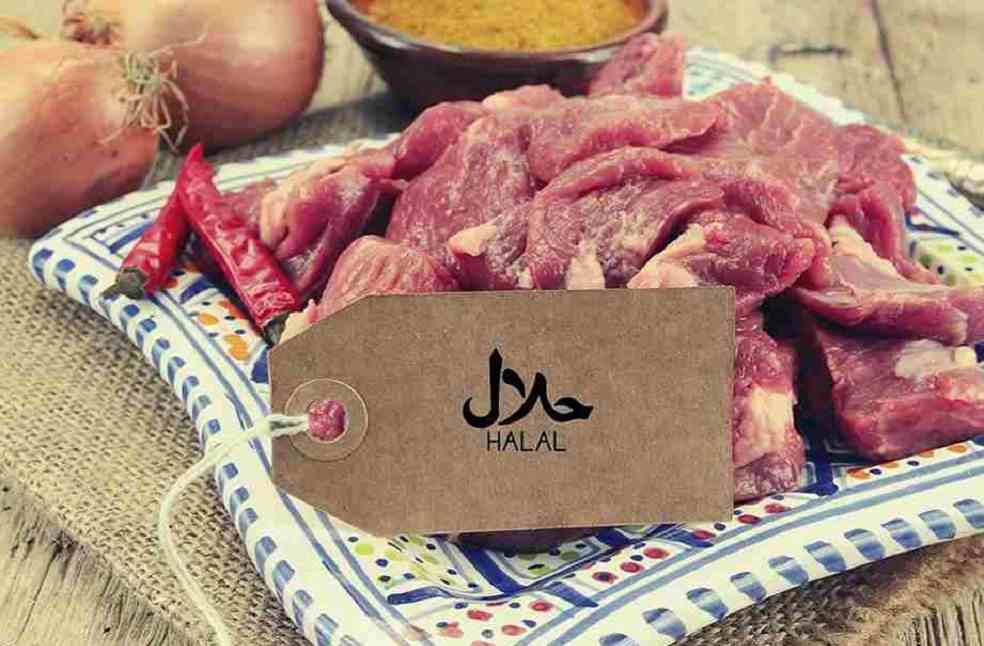
Non-compliance with global halal standards, inadequate logistics, and a shortage of skilled manpower are among the major factors limiting the growth of Bangladesh’s halal industry, according to industry experts and stakeholders.
The group discussion titled ‘Development of Bangladesh Halal Industry: Challenges and Prospects’ was organized by the Dhaka Chamber of Commerce & Industry (DCCI) in Dhaka. Participants highlighted systemic weaknesses that continue to prevent the country from realizing its potential in the $3 trillion global halal market.
They identified tariff and certification complexities, lack of modern laboratories, and weak institutional coordination as key barriers. Experts called for an integrated national framework and stronger collaboration between the public and private sectors to build a competitive halal ecosystem.
In his welcome address, DCCI Senior Vice President Razeev H Chowdhury noted that Bangladesh has yet to fully harness the halal industry’s potential due to the absence of a unified ecosystem and an independent, globally recognized certification authority.

He said that while the global halal market is projected to grow to $9.45 trillion by 2034, Bangladesh’s halal exports remain below $1 billion, primarily in agro-based products. Chowdhury urged the formation of an independent halal certification board and internationally accredited testing laboratories through joint initiatives.
In his keynote presentation, Dr. Mominul Islam, Assistant Professor at IUBAT, outlined structural and institutional shortcomings, noting overlapping certification processes by the Islamic Foundation and the Bangladesh Standards and Testing Institution (BSTI), which often lead to inefficiencies.
He also cited inadequate testing facilities, weak branding, limited SME participation, and poor supply chain infrastructure as critical bottlenecks.
Md. Abul Kalam Azad, Assistant Manager (Export) at Paragon Group, proposed a digital certification and compliance auditing system to ensure product quality.
Meanwhile, Sayadul Haq Bhuiyan, AGM and Head of Supply Chain at Bengal Meat, recommended incorporating blockchain technology to trace animal life cycles and enhance product authenticity. He also stressed the need for certification authorities to meet international accreditation standards.
Islamic Foundation Deputy Director, Md. Abu Saleh Patwary acknowledged that no single government entity can manage halal certification alone, advocating for multi-agency coordination and stronger government oversight to maintain product integrity.
Export Promotion Bureau (EPB) Director General-1 (Joint Secretary) Baby Rani Karmakar noted that despite the global halal industry’s annual growth rate of around 12%, Bangladesh continues to lag behind. She urged for unified national efforts to improve the country’s market share.
Md. Ariful Hoque, Director General (Joint Secretary) of International Investment Promotion at BIDA, said the halal sector could become a key driver of export diversification in the post-LDC era. He revealed that the government is considering the establishment of a dedicated halal industry economic zone.
During the open-floor session, former DCCI Vice President M. Abu Hurairah highlighted rural economic transformation and growing participation of women in productive sectors. He proposed introducing low-interest financial incentives to promote rural women’s involvement in animal husbandry, thereby boosting halal food exports.
TRADE WORLD | Türkiye, U.S. New Roadmap Targets $100 Billion in Bilateral Trade
