



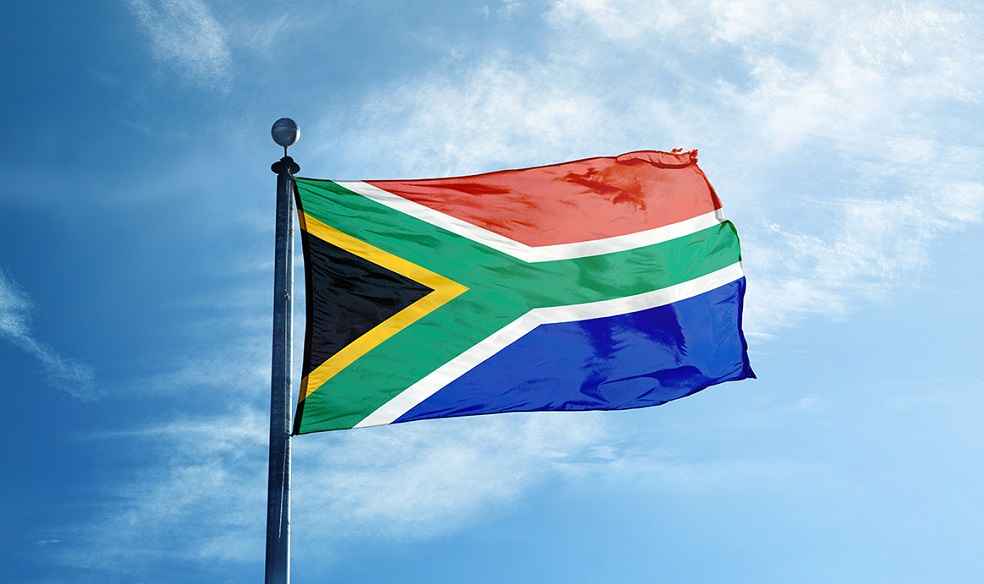
South Africa has to implement a five-point strategy to address the impact of the United States’ unilateral 30% tariff, which came into effect on August 7. The measures were detailed at a government press conference on Tuesday, accompanied by an official statement outlining both immediate and long-term actions.
The plan includes sustained engagement with the U.S., diversification of exports to alternative markets, an economic response package for affected companies and workers, and demand-side interventions. South Africa has already submitted a revised offer to the U.S. for negotiations and adjusted import access for poultry, blueberries, and pork. The USA-Africa Trade Desk has confirmed that poultry and pork shipments from various U.S. states will arrive in South Africa within two weeks.
To reduce reliance on the U.S., the government will accelerate trade development under the African Continental Free Trade Agreement (AfCFTA) and expand market access in Europe, Asia, the Middle East, and beyond. Measures include deploying trade and agriculture specialists, strengthening export certification and biosecurity standards, and enhancing economic resilience.
The economic response package will feature an export enterprise consultation service, a localization support fund, an export and competitiveness support program, and collaboration with the Department of Employment and Labor to design employment security measures for workers. In line with World Trade Organization rules, South Africa will consider anti-dumping, countervailing, and safeguard measures to protect domestic industries from import surges and low-priced dumping.
The government also plans to boost domestic sales through its local brand promotion platform, working with businesses and retailers to stimulate internal demand. Officials stressed the importance of maintaining access to the U.S. market while fast-tracking diversification to safeguard jobs and industrial stability.
Deputy Director General of the Department of Trade, Industry and Competition, Mlumbi-Peter, said the strategy was not solely a reaction to U.S. tariffs but part of a broader resilience plan. “We are looking at the African continental market, which is our biggest market and accounts for 27% of our exports,” she noted, highlighting the significance of regional trade in South Africa’s economic future.
BUSINESS GENERAL | Sri Lanka Gem Sector Confident Despite U.S. Tariff Impact