


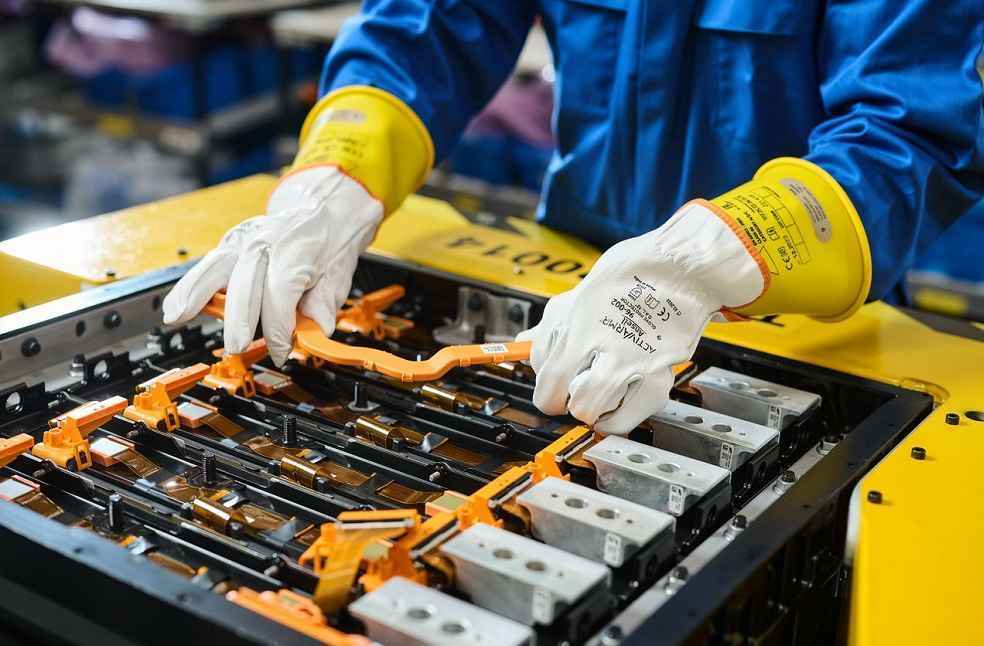
South Africa is positioning its emerging electric vehicle battery manufacturing sector to compete globally rather than simply replace imports, the Department of Trade, Industry and Competition (the dtic) director-general Simphiwe Hamilton, told Parliament on Tuesday.
Hamilton addressed members of the parliamentary portfolio committee on trade and industry while responding to questions from Democratic Alliance MP Toby Chance about the strategic intent behind the country’s push to establish local battery production capacity.
Chance raised concerns that if South Africa developed battery manufacturing solely to meet domestic localization requirements, it could struggle to compete internationally and risk limiting production to the local market.
He asked whether the government’s objective was focused primarily on localization or on building a sector capable of participating in global supply chains. Hamilton said the policy direction is centred on global integration rather than protectionism.
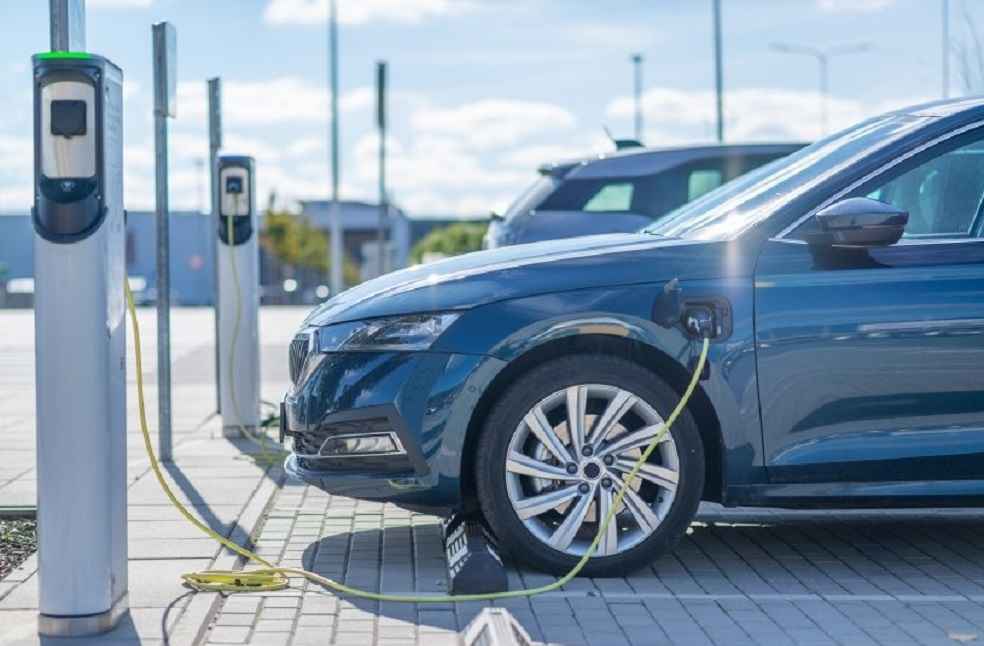
“The EV battery manufacturing capability that is sought is not premised on import substitution and localization. Yes, localization is key. It is premised on integrating into a global automotive supply chain and part of the greening of industrialization in South Africa,” Hamilton told the committee.
According to Hamilton, the strategy forms part of broader industrial cooperation with the European Union through the Clean Trade and Investment Partnership, reflecting growing alignment between climate policy, trade frameworks, and industrial development strategies.
The goal, he said, is to develop battery manufacturing capacity that can supply original equipment manufacturers operating in both domestic and international markets.
South Africa’s automotive sector remains one of the country’s most important manufacturing and export industries. It has faced increasing pressure in recent years due to global semiconductor shortages, supply chain disruptions, and the rapid international shift toward electric vehicles.
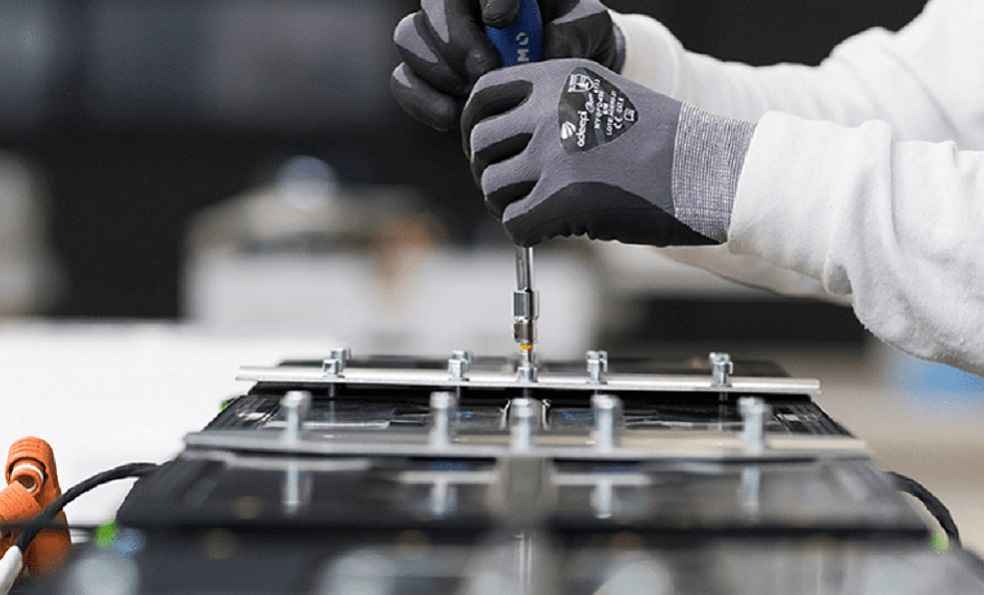
These changes have exposed vulnerabilities in traditional internal combustion engine supply chains, prompting policymakers to accelerate plans to adapt the country’s automotive industry to the EV transition.
In response, the dtic has released a White Paper on Electric Vehicles and introduced shop-floor competitiveness initiatives in collaboration with the Japanese government. A broader automotive policy review is also underway to help reposition the sector for long-term growth.
The government’s Automotive Masterplan outlines a vision of building a globally competitive and transformed automotive industry that contributes more significantly to the country’s productive economy.
Targets include increasing South Africa’s share of global vehicle production to 1%, raising local content in vehicles to 60,%, and supporting employment across the value chain.
Hamilton said the transition to EV technologies presents an opportunity for South Africa to replicate earlier industrial successes, particularly in catalytic converter manufacturing.
The country previously became a global leader in catalytic converter production by leveraging its large reserves of platinum group metals, a critical input in the technology. Hamilton suggested a similar approach could be applied to EV battery manufacturing.
“The idea is to ensure that we play in the same fashion that we played in the manufacturing of the catalytic converters, where we became the lead because we held the minerals that were input for that in the form of platinum,” he said
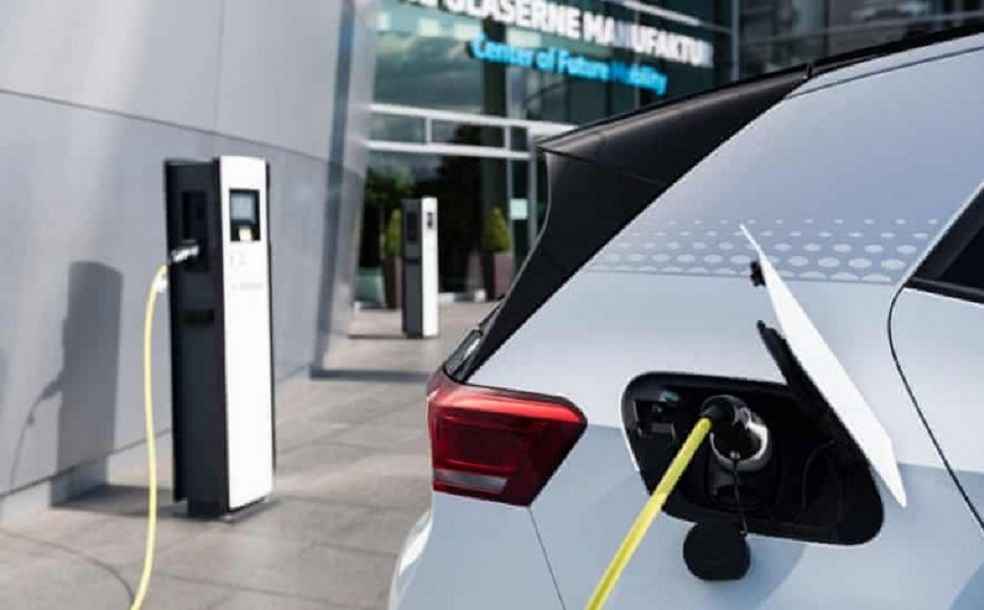
South Africa possesses significant reserves of battery-related minerals such as manganese and nickel, giving it the potential to move further up the value chain instead of exporting raw materials.
By linking mineral resources with battery manufacturing capability, policymakers hope to replicate the catalytic converter model in the emerging EV industry.
The government is currently finalizing the Localization of the EV Battery Manufacturing Policy Framework, with the first draft expected earlier this year. Officials say localization measures will be structured to strengthen export competitiveness rather than isolate the sector from international markets.
As global economies tighten emissions standards and accelerate the phase-out of internal combustion engines, maintaining South Africa’s role within international automotive value chains will be critical for protecting jobs, sustaining exports, and attracting investment.
Hamilton said success in EV battery manufacturing could help safeguard existing automotive production while creating opportunities for new technologies, skills development, and green industrial growth.
IMEX SECTOR | Indonesia to Import Specialty Rice Under U.S. Trade Pact