


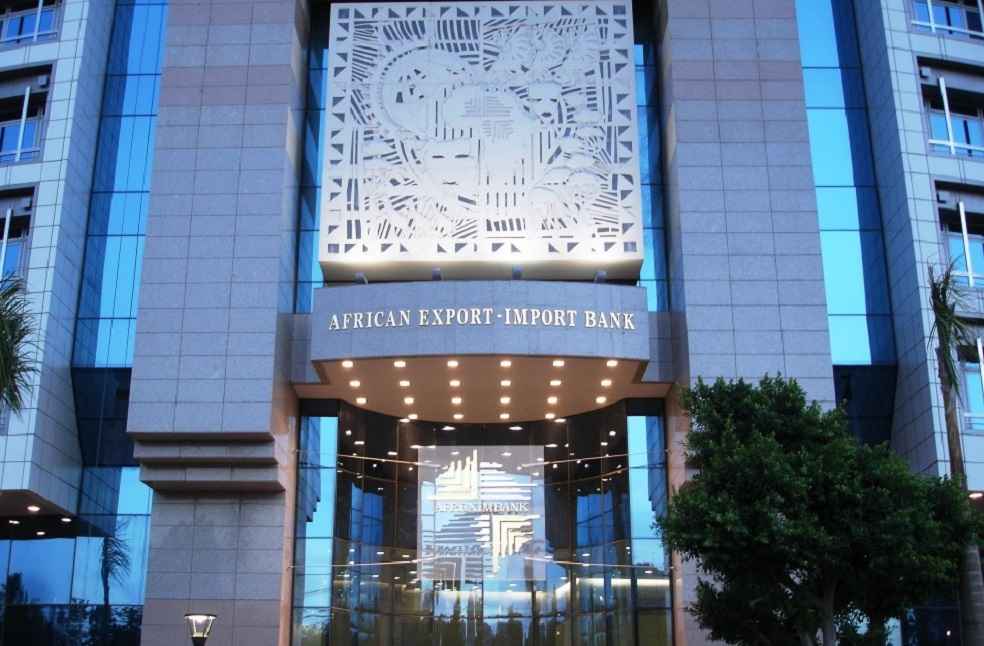
South Africa has formally joined the African Export-Import Bank (Afreximbank) by officially entering one of Africa’s largest economies into the continent’s leading multilateral financial institution and reinforcing efforts to strengthen Africa’s financial and trade sovereignty.
The accession follows approval by the South African Parliament in 2025 and makes South Africa the 54th state to join Afreximbank. Officials described the move as a strategic milestone as African economies seek to expand intra-continental trade and investment amid a global financial environment increasingly shaped by protectionism and shifting trade blocs.
To operationalize the partnership, Afreximbank said it will roll out significant financial interventions in South Africa, anchored by a new $8 billion country program. The initiative is designed to deepen the South African economy by supporting industrial development, strengthening regional supply chains, and boosting intra-African trade and investment flows.
Afreximbank said the program is aligned with South Africa’s national development plan and industrial and trade priorities.

South Africa is currently the continent’s largest contributor to intra-African trade, accounting for 19.1% of total trade in 2024. Afreximbank said this position gives the country a strong platform to leverage the bank’s trade finance infrastructure, expertise, and pan-African reach to expand export relationships across the continent.
George Elombi, President and Chairman of the Board of Directors of Afreximbank, described South Africa’s accession as a decisive step toward consolidating Africa’s economic interests. He said the move provides Afreximbank with full continental coverage while placing South Africa at the center of the bank’s vision to reshape the structure of African trade.
Elombi said Afreximbank, working with South Africa’s Department of Trade, Industry and Competition under the leadership of Minister Parks Tau, had structured a $8 billion financing package aligned with South Africa’s development objectives.
He added that Afreximbank’s current project pipeline in South Africa exceeds $6 billion and spans sectors including healthcare, financial services, manufacturing, energy, industrial development, and mining.
South African President Cyril Ramaphosa said the accession marked a major milestone in advancing Africa’s economic integration. He said joining Afreximbank underscored South Africa’s commitment to African industrial development and to expanding trade, investment, and development across the continent.
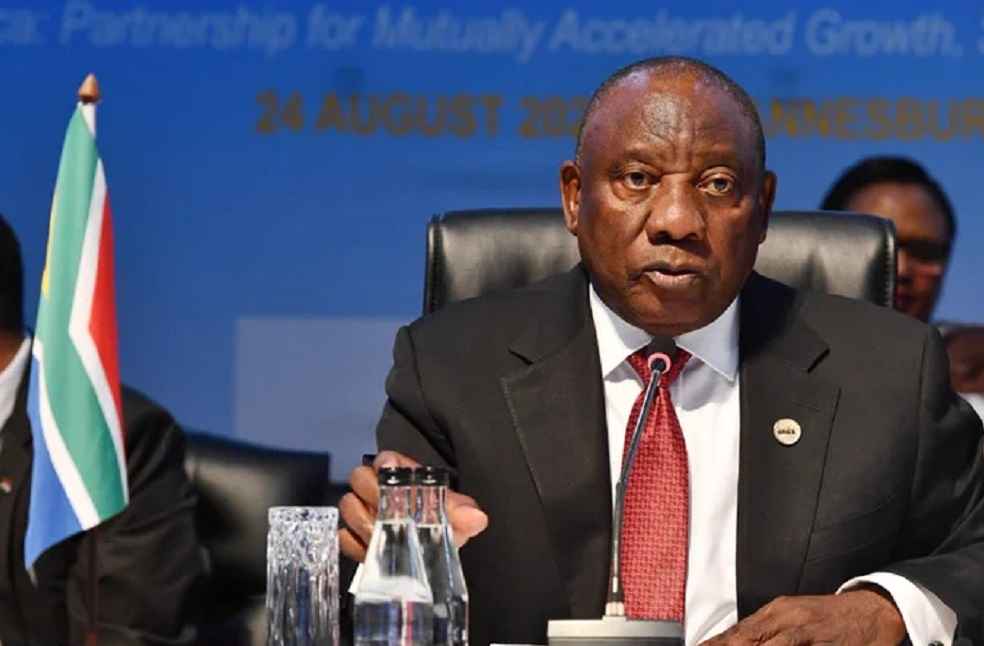
Ramaphosa said the forthcoming country program would initially support a range of strategic trade and industrial projects, including measures to strengthen South Africa’s Transformation Fund aimed at supporting black-owned businesses that were historically excluded from full participation in the economy during apartheid.
He added that Afreximbank’s track record over more than three decades demonstrated resilience, innovation, and tangible impact, and that the partnership would strengthen South Africa’s capacity to support exporters, industrial projects, and regional value chains.
Following the accession, South Africa and Afreximbank said they will jointly pursue a series of trade and development initiatives. These include the South Africa–Africa Trade and Investment Promotion Program, Afreximbank guarantee facilities, financing for industrial parks and special economic zones.
Other focus areas include export trading company financing, project and asset-based finance, conventional trade finance, project preparation support, and tailored financing for the creative and cultural industries, alongside a range of advisory services.
TEXTILE & APPAREL | Lower U.S. Tariff Boosts Indian Textile Export Prospects