


Trade between the southern Chinese metropolis of Shenzhen and Thailand continues to expand, marked by faster customs processes, rising electric vehicle shipments, and growing imports of Thai agricultural products.
From January to October 2025, trade volume reached 92.82 billion yuan (about $13.1 billion), a 4.4% year-on-year increase, reinforcing Shenzhen’s position as China’s leading city in trade with Thailand.
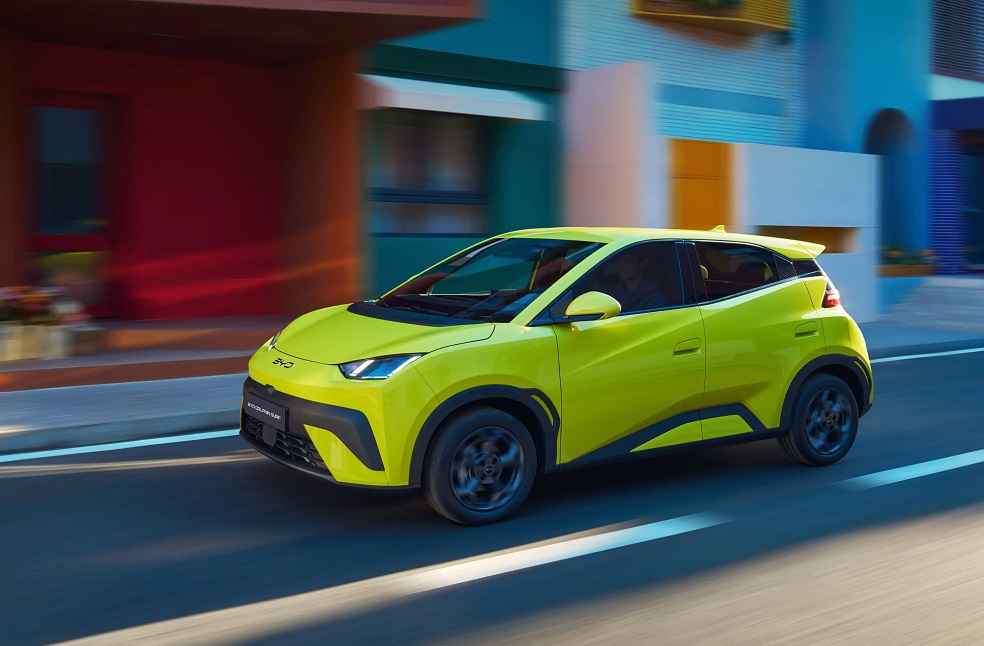
Fresh Thai coconuts passed swiftly through Shekou container terminal before reaching supermarkets in the Guangdong-Hong Kong-Macao Greater Bay Area, while robotic arms at BYD’s production line in Shenzhen completed new energy vehicles (NEVs) headed for Bangkok.
BYD has exported 11,000 NEVs to Thailand since the start of the year, marking growth of more than 50%, according to company customs manager Liu Feng.
Trade growth is linked to policy frameworks such as the China-ASEAN Free Trade Agreement and the Regional Comprehensive Economic Partnership (RCEP).
Shenzhen Customs has issued more than 700 certificates of origin for BYD’s Thailand-bound exports, covering goods valued at 690 million yuan and reducing tariffs by over 30 million yuan. Overall, Shenzhen’s NEV exports to Thailand surged 99.1% to 1.28 billion yuan during the first 10 months.
Demand for high-tech goods is also expanding. At Shenzhen Lechang Technology, audio-visual controllers are prepared for shipment to Thailand, a market experiencing a sharp rise in portable equipment purchases linked to short-form video production.
Exports of electrical equipment to Thailand increased 25.3%, while computer parts surged 63.1%, indicating a shift toward higher-value products.

On the import side, Thai fruit is gaining market share in China. Importers report that perishable goods such as young coconuts pass through a green customs channel, reducing delays and helping boost some companies’ fruit imports by 15% this year.
Thai durians are reaching stores nationwide within a day, aided by the Authorized Economic Operator (AEO) mutual recognition agreement between China and Thailand, effective since August.
Customs director Li Yan said three AEO-certified companies have already seen a 15% increase in fruit imports due to lower inspection rates and priority clearance.
Zeng Xiangping, chief of enterprise certification at Tongle Customs, said AEO recognition provides “reduced inspection rates and priority checks for certified traders, saving significant time and logistics costs.”
FINTECH | New Digital Platforms to Boost Global Reach of Filipino Exporters
