


While the scope of the restriction is broad, Indian industry leaders say the immediate commercial impact on India is expected to be limited due to relatively low export volumes to the Kingdom. They describe the move as strategically significant for the long-term positioning of India’s poultry export sector.
Suresh Chitturi, Managing Director of Srinivasa Farms and First Asian Chair of the World Egg Organization, said India’s shipments to Saudi Arabia have historically represented only a small share of total production and exports.
He suggested that the sweeping nature of the ban, which includes several major poultry-producing nations, indicates a broader industry-protection and market-shaping approach rather than a narrowly targeted health response.
According to Chitturi, such decisions often reflect a combination of sanitary concerns, domestic producer interests, and national strategies aimed at greater food self-sufficiency. He argued that India should treat the development as a catalyst for reform rather than a setback.
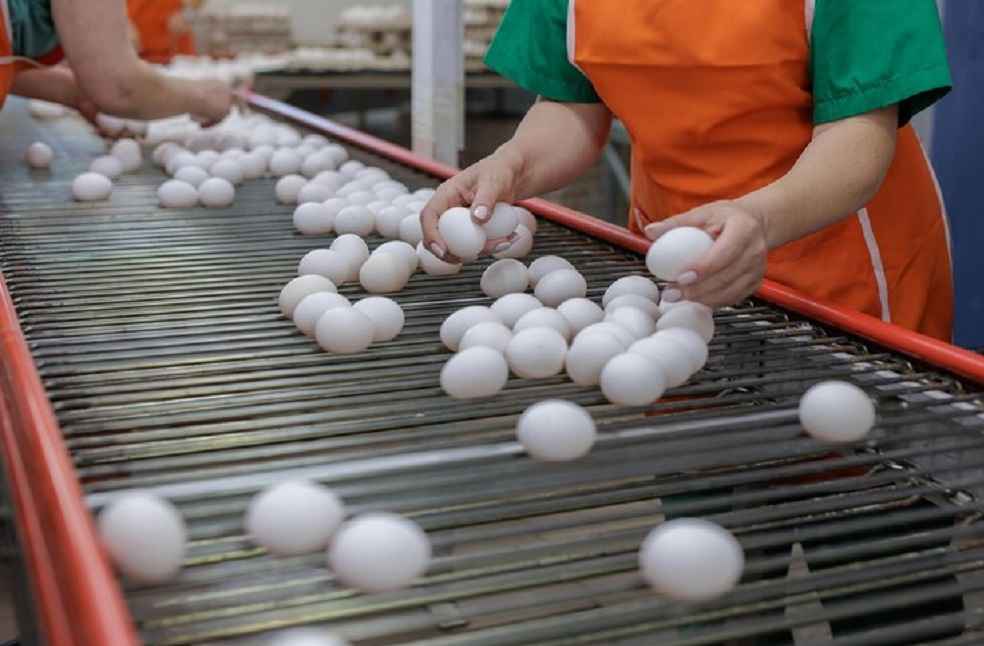
India exports roughly 10 million eggs daily to Middle Eastern markets, largely from Namakkal in Tamil Nadu, though exports account for a small fraction of total domestic output. The country produces 142.6 billion eggs annually, making it the world’s largest egg producer.
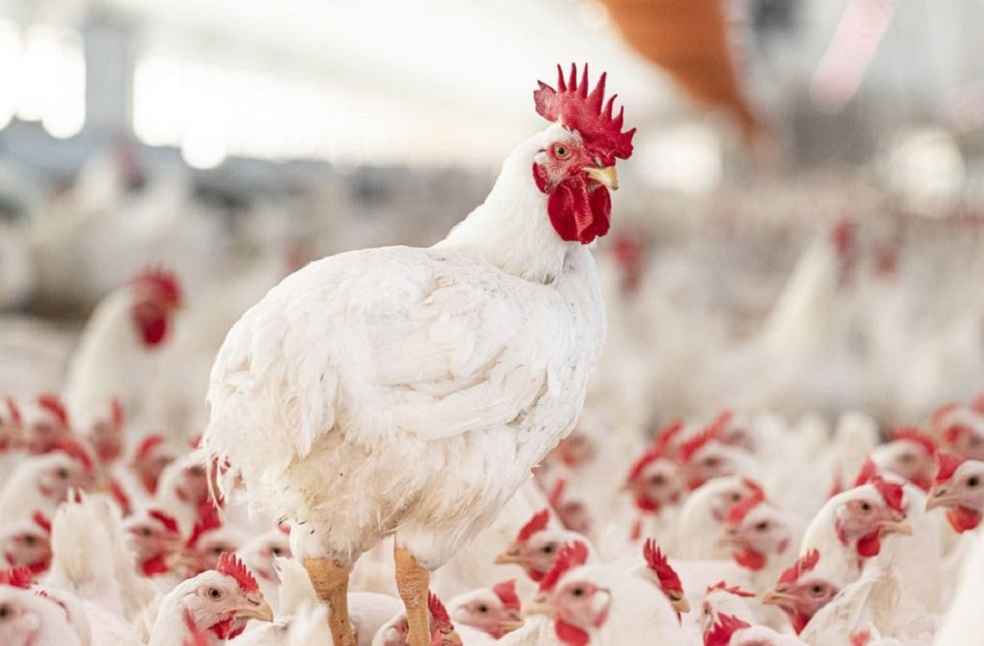
The poultry sector, valued at approximately $30 billion, employs around 6 million people directly and indirectly. India’s broiler population stands at about 5.5 billion birds annually, with 350 million layer birds and 40 million backyard birds. Per capita egg consumption is about 106 eggs per year, and the industry is growing at 7 to 8% annually.
Ricky Thaper, Joint Secretary of the Poultry Federation of India, said rising domestic demand and diversified export markets would cushion the sector from any immediate disruption linked to Saudi Arabia.
Industry leaders stressed that future export growth will depend on strengthening biosecurity systems, zoning mechanisms, and compartmentalization protocols to ensure disease outbreaks remain geographically contained.
They said independently auditable farm-to-fork biosecurity frameworks could enhance India’s credibility with importing governments, retailers, and quick-service restaurant chains.
As the global poultry trade becomes increasingly influenced by regulatory confidence and national self-sufficiency policies, stakeholders view the Saudi decision as a reminder that resilience, traceability, and strategic policy alignment will shape India’s competitiveness in international markets.
MOST POPULAR | Iran Strike Risks Hormuz Energy Supplies, Global Recession