


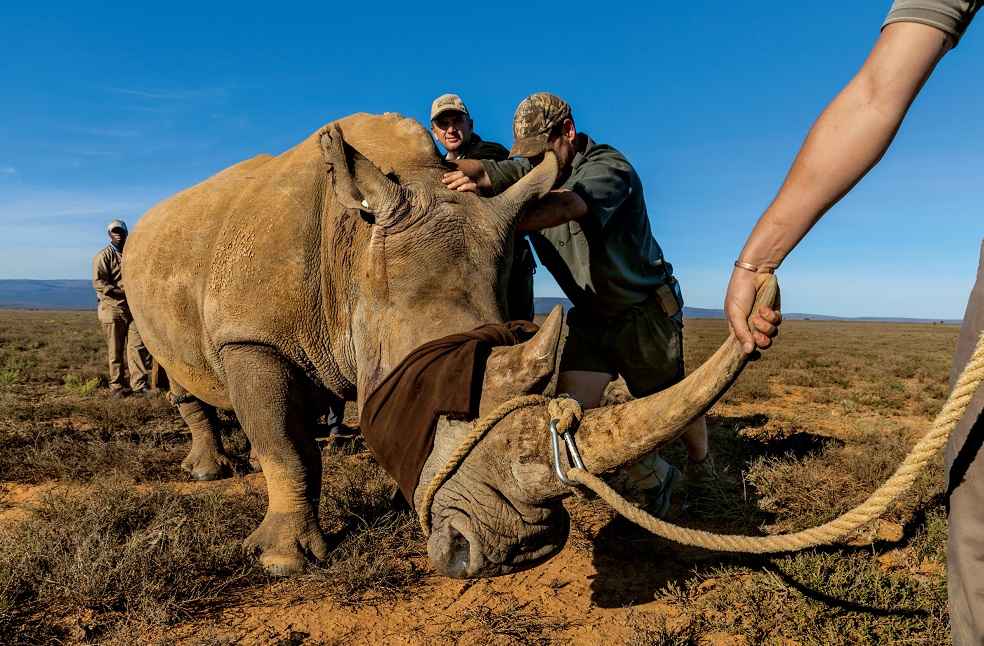
The Northern Cape High Court has ruled that private conservation facilities may be granted permits to export rhino horns, a landmark judgment that has drawn praise from conservation breeders but immediate disapproval from the South African government.
Judge Lawrence Gerald Lever delivered the ruling, overturning the provincial Department of Agriculture, Rural Development and Land Reform’s decision to deny permits to rhino breeder Hendrick Diedericks for exporting white rhino horns.
Lever stated that the department had misinterpreted the Convention on International Trade in Endangered Species of Wild Fauna and Flora (CITES), noting that it “does not as a blanket provision prohibit international trade of endangered species.”
The court directed the department to reconsider Diedericks’ application within seven days and provide written reasons if the permits were denied again. The MEC and the Minister of Forestry, Fisheries, and the Environment were jointly ordered to cover the legal costs of the review.
Diedericks, who operates a large rhino breeding program, argued that limited, regulated exports of sustainably harvested rhino horn could support conservation by funding the immense costs of care and protection, estimated at around R20 million annually. He said proceeds would be reinvested in wildlife preservation efforts.
“The court has opened the door for legal and regulated international trade in rhino horn, a decision that could save the species, fund conservation, and uplift rural communities,” Diedericks said through his Rockwood conservation group.
He highlighted that rhino horn, composed of keratin, can be trimmed safely from living animals and regrows naturally.
This perspective aligns with earlier views of noted conservationists such as the late Dr Ian Player and Dr George Hughes, who believed that controlled trade could reduce poaching by making horn a renewable, managed resource.
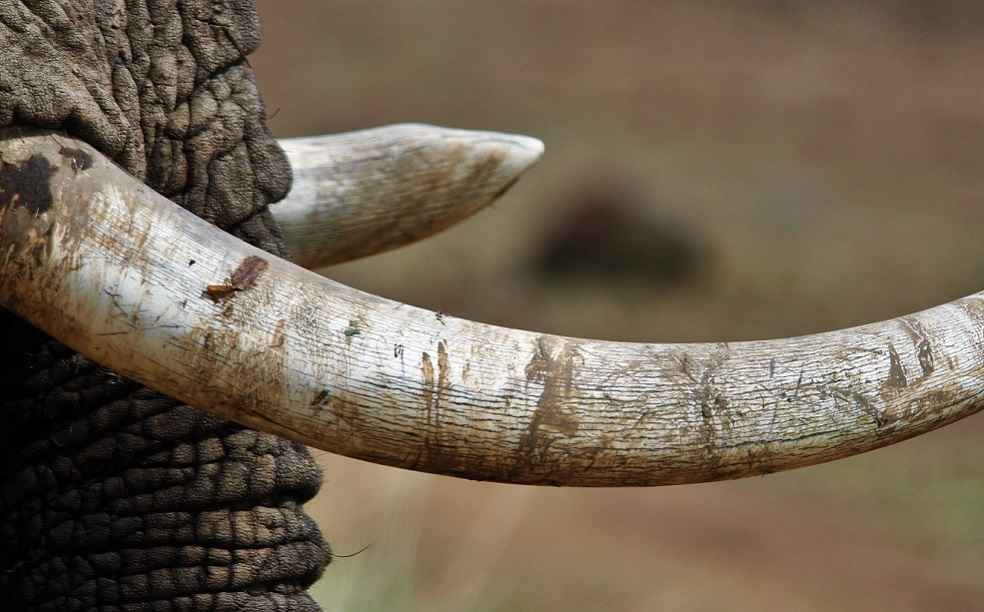
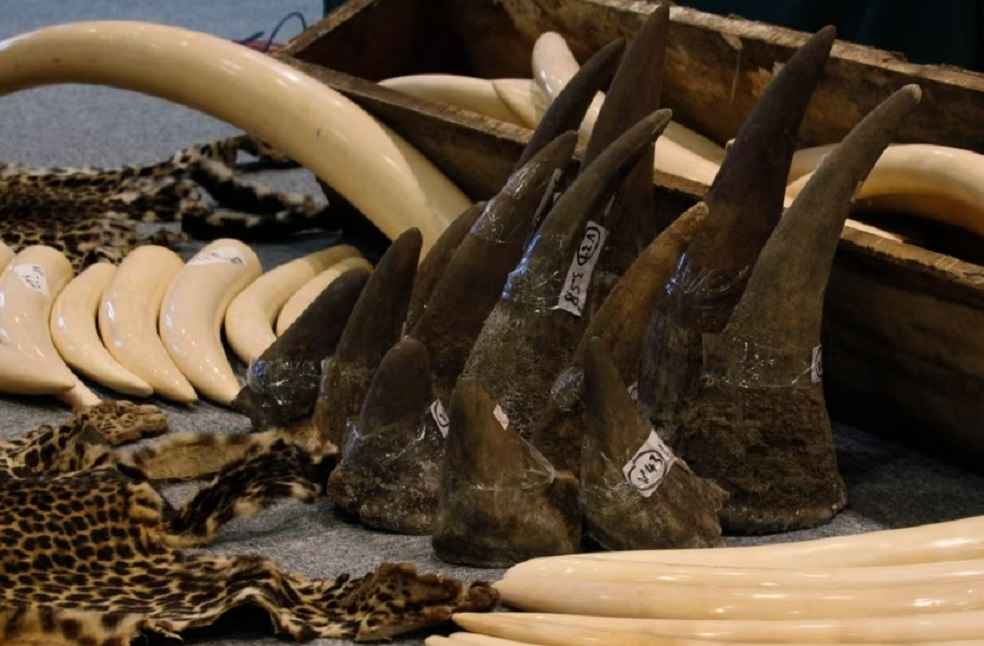
The Department of Forestry, Fisheries, and the Environment (DFFE) swiftly distanced itself from the judgment. It reaffirmed South Africa’s full commitment to the global ban on the commercial trade in rhino horn and ivory, stressing that national policy would continue to follow scientific and ethical guidance rather than commercial interests.
“South Africa will not support any move to reopen the ivory or rhino horn trade. Our duty is to protect our wildlife, not to profit from their destruction,” said Minister of Forestry, Fisheries and the Environment Dr Dion George.
The ruling comes just weeks before the 20th Conference of the Parties (CoP20) to CITES, scheduled in Samarkand, Uzbekistan, from 24 November to 5 December.
While conservationists see the judgment as a possible step toward financially sustainable breeding programs, critics warn it could reignite demand for rhino horn and undermine ongoing anti-poaching progress.
Official data shows 195 rhinos were poached in South Africa during the first half of 2025 — 35 fewer than the same period last year, reflecting early success in intensified anti-poaching measures.
TRADE TECH | Beijing to Relax Nexperia Chip Export Ban After U.S.-China Talks