


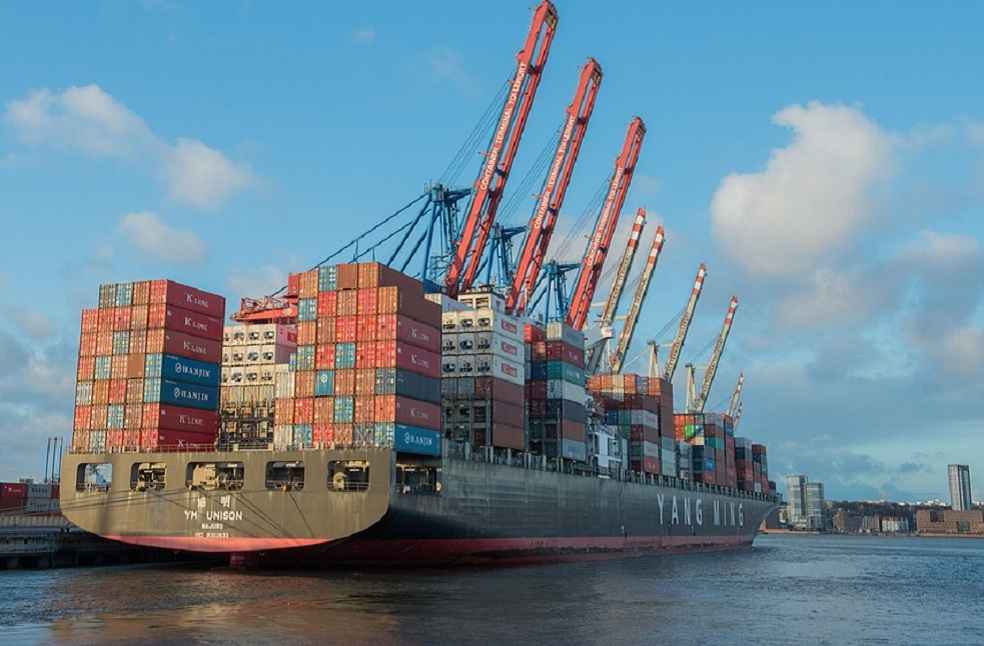
Russia’s parallel imports of Western products dropped nearly 50% in 2025, as authorities tightened oversight on supply channels used to bypass sanctions.
Russia’s Industry and Trade Minister, Anton Alikhanov, reported that from January to November, the country imported $20.9 billion worth of goods through parallel-import schemes, a 45% decline from $37.9 billion during the same period the previous year.
Monthly volumes have fallen to around $2 billion, compared with roughly $4 billion when the program began.
Russia launched parallel imports in 2022 to permit the import of goods without the approval of trademark owners. The government has now extended the scheme through 2026 and intends to narrow the list of eligible categories, prioritizing items that can be supplied domestically or by ‘friendly’ partners.

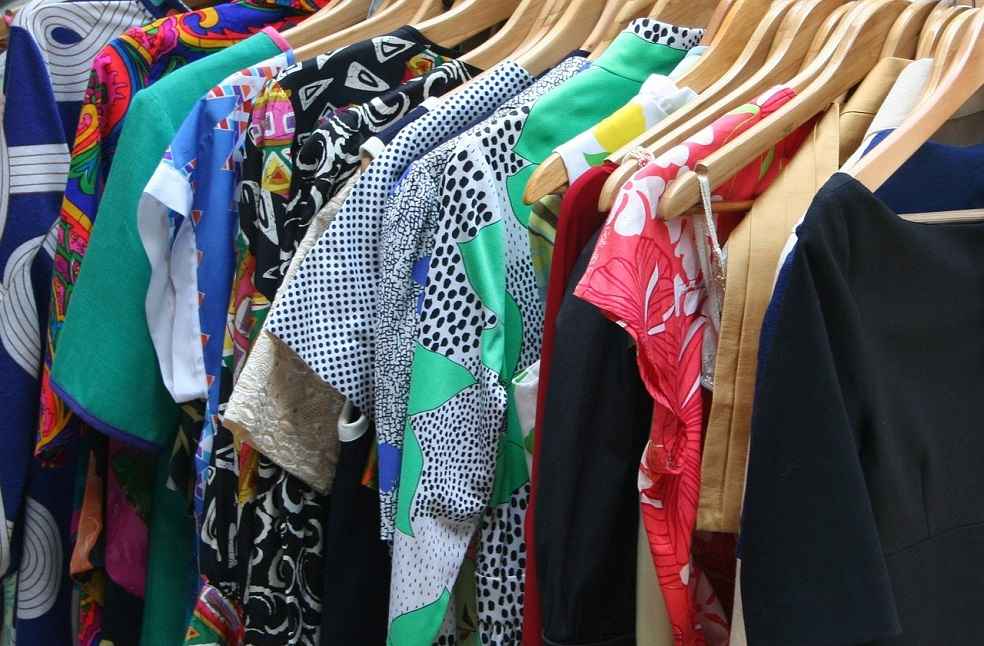
Alikhanov noted that the ministry’s previous $25 billion forecast for 2025 is no longer relevant, pointing to customs figures that indicate a continued downturn. The report added that the government has removed cosmetics and perfumes from unfriendly countries from the eligible list and signaled plans to also exclude certain electronics and clothing.
Russian President Vladimir Putin ordered stricter monitoring of goods transiting through Kazakhstan, granting customs officials expanded authority to seize shipments lacking proper documentation. The move caused lengthy border delays, with up to 10% of Russia’s imports stalled at the Kazakh border by November.
Analysts said that overall imports declined 2.4% in 2025 from the prior year and were 5.4% lower than 2021 levels. Consumer-oriented goods proved more resilient, while investment-related imports remained weak due to sanctions and high borrowing costs.
Meanwhile, the Federal Customs Service said imports totaled $224.4 billion from January through October and estimated full-year imports at around $275 billion.
AEROSPACE AND DEFENCE | U.S. Drops Restrictions on Chinese Drones After Policy Review

