


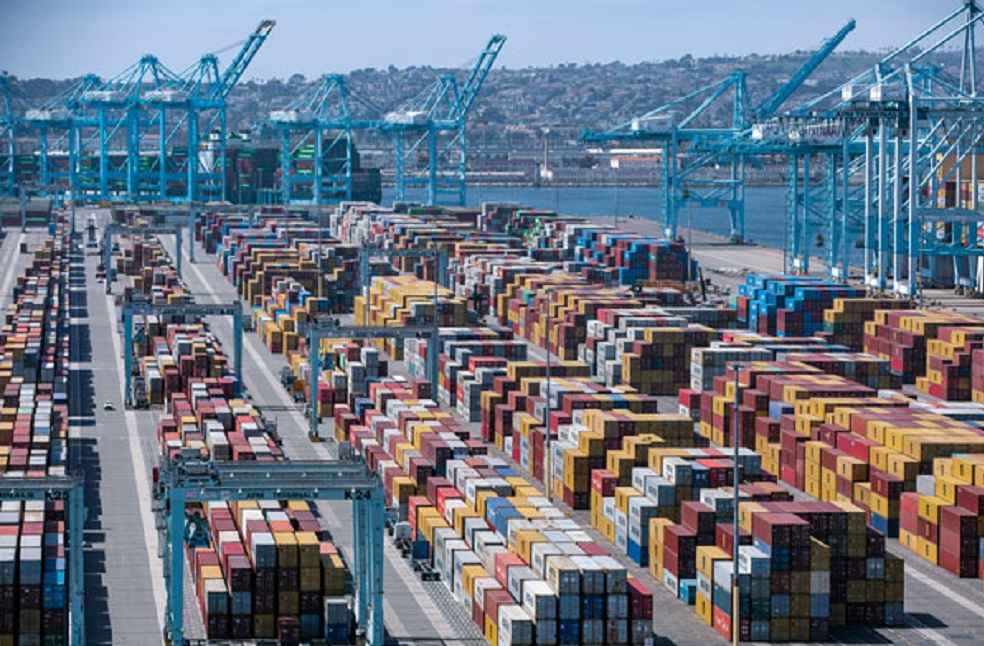
The Port of Los Angeles, the United States’ busiest trade hub with China, is grappling with mounting pressure from tariffs and new fees, even as hopes for improved talks between Washington and Beijing remain alive.
Eugene Seroka, executive director of the port, highlighted China’s central role in its operations. “Today at the Port of Los Angeles, China is our largest trading partner, and has been in that No. 1 position now for more than three decades. Over 40% of our business is import and export with China-based ports,” he said.
Seroka noted that the outcome of recent China-U.S. trade talks in Spain could be crucial for the future. “Many people here in Los Angeles are hopeful that both sides can reach some final conclusions soon. China’s importance in our import business, and the export opportunities for U.S. companies, make trade between the world’s two largest economies very important for many of us.”
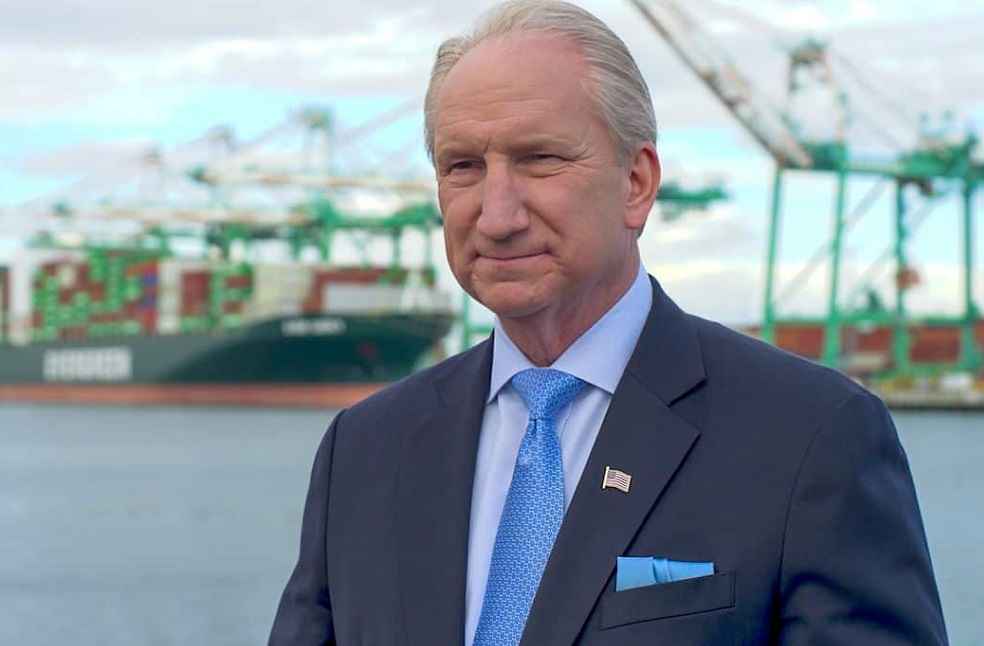
Despite disruptions, the port has managed to demonstrate resilience. Cargo volume rose more than 6% year-on-year, and July became the busiest month in its 117-year history. “I believe we’ll reach an understanding in the not-too-distant future,” Seroka added. “I also see a real possibility to increase U.S. exports to China, which will help create more jobs, not only here in LA, but across the country and in China as well.”
Yet uncertainty continues to shape operations. “Announcements this year on trade policy coming out of Washington have caused big increases in cargo at times, and then slowdowns when tariffs were in place that were very high,” Seroka explained. “So we’ve had to be quite nimble and react quickly to information to make sure we could handle the cargo flows.”
Vincent Iacopella, president of Trade and Government Relations at Alba Wheels Up International in New York, echoed these concerns at a recent cargo briefing. “If tariffs are going up in China and lower in Vietnam or India, you want to optimize that,” he said. He cautioned against over-shifting supply chains away from China. “Look what’s happening right now, you have folks that left China, went into India, and are actually paying a higher duty rate now than before, 50%.”
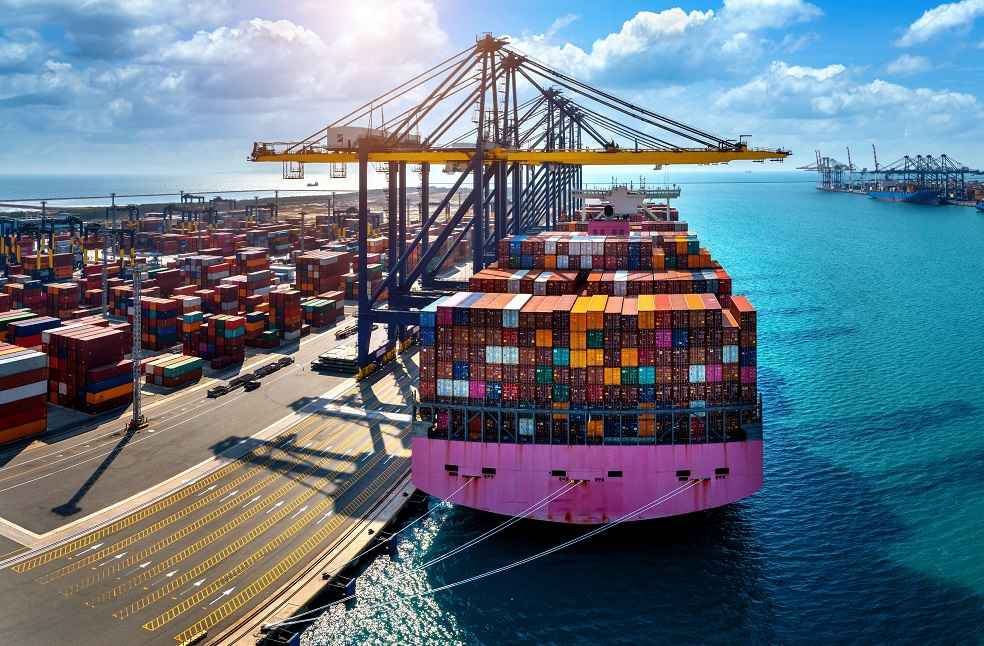
Another challenge looms with new fees on Chinese-built and operated vessels, set to take effect on October 14. The U.S. will impose escalating surcharges through 2028. Seroka estimated that costs could range from $125 to more than $300 per container. With around 30% of the port’s 2,000 annual vessel calls involving Chinese-built or operated ships, the financial impact could be significant.
“These are substantial costs. They are real costs,” Iacopella said. “On top of tariffs, complexity, and uncertainty, now we’ve got yet another cost associated with bringing goods in.” Both experts stressed that consumers will ultimately bear the burden. “No matter who along the way in the supply chain pays it, it ends up in the consumer price,” Iacopella added.
Seroka also pointed to wider ripple effects. With tariffs on steel imports reaching as high as 50%, domestic producers have raised their own prices.
Even so, he emphasized the long-term value of the partnership. “Our partnership with Chinese ports and companies is very important to our success in LA,” he said, underscoring the need for both countries to continue working closely to keep supply chains and port operations stable.
POLICY & LAW | EU’s Import Ban Tied to Deforestation Law Faces Another Delay