



The Philippines Department of Agriculture (DA) plans to restrict rice imports to approximately 300,000 metric tons for March and April, marking the lowest level in five years, in an effort to shield local farmers from cheaper imported rice during the harvest season.
Agriculture Secretary Francisco Tiu Laurel stated that he has gained support from rice importers and traders to voluntarily cap purchases of foreign rice at 150,000 metric tons per month over the two‑month period.
If the DA manages to persuade importers to limit rice shipments to 300,000 MT for March and April, it would mark the lowest import level since 2021, when nearly 340,000 MT entered the country. The proposed volume reflects a 65.5% reduction compared with last year’s imports, which totaled 869,842 metric tons during the same two‑month period.
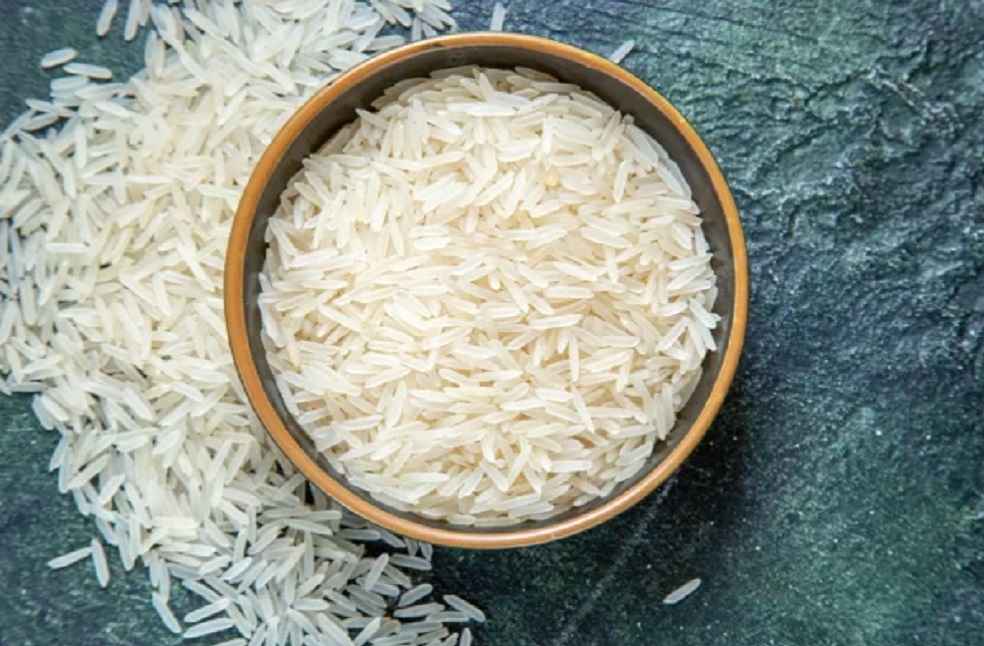
DA earlier requested importers to restrict rice volumes for January and February to about 600,000 metric tons, as global rice prices remain below the threshold that would trigger an increase in tariffs from the current 15% to 20%.
DA Assistant Secretary Arnel de Mesa noted that the average price of 5% broken rice from Vietnam, used as the government benchmark last month, was $387 per MT. The higher 20% tariff would only be applied if prices fall to between $350 and $367 per MT.
Meanwhile, Laurel added that the DA is still finalizing the new maximum suggested retail price (MSRP) for imported rice, which will act as an additional measure to regulate its entry.
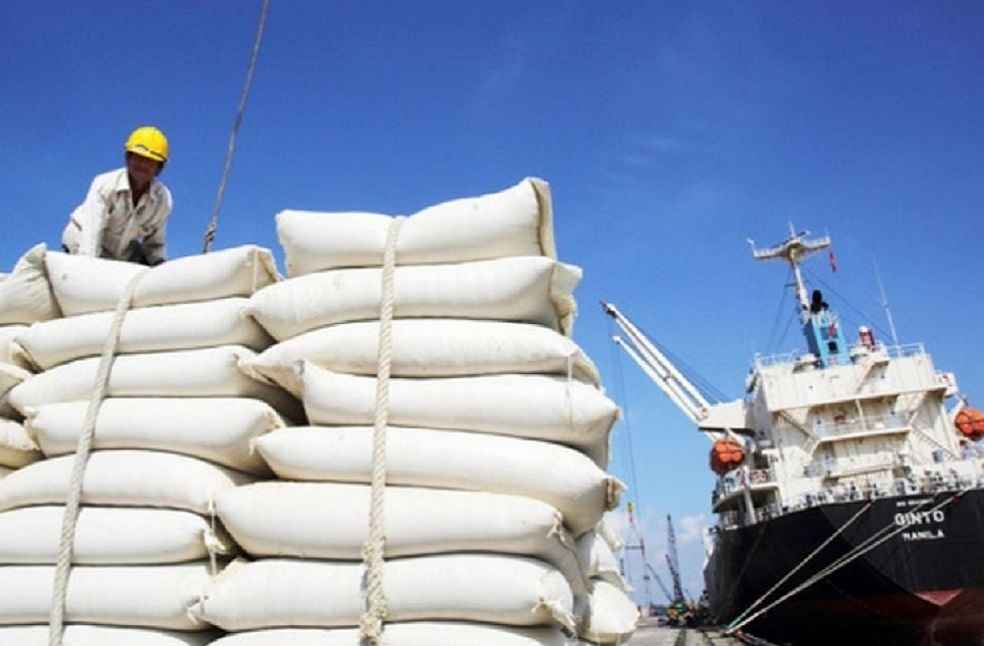
Through these measures, the government aims to replicate the benefits achieved during the suspension of foreign rice imports from September to December last year, which supported higher farmgate prices, without imposing another full ban that could disrupt supply.
According to data from the Philippine Statistics Authority, palay prices dropped to a low of ₱15.80 per kilo just before the import suspension before rising to approximately ₱18 per kilo by year-end.
In the latter half of the year, the DA also plans to roll out a more refined import framework, including province‑specific guidelines and linking importation to local procurement.
IMEX SECTOR | Ukraine Seeks to Resume Poultry Exports to Moldova