


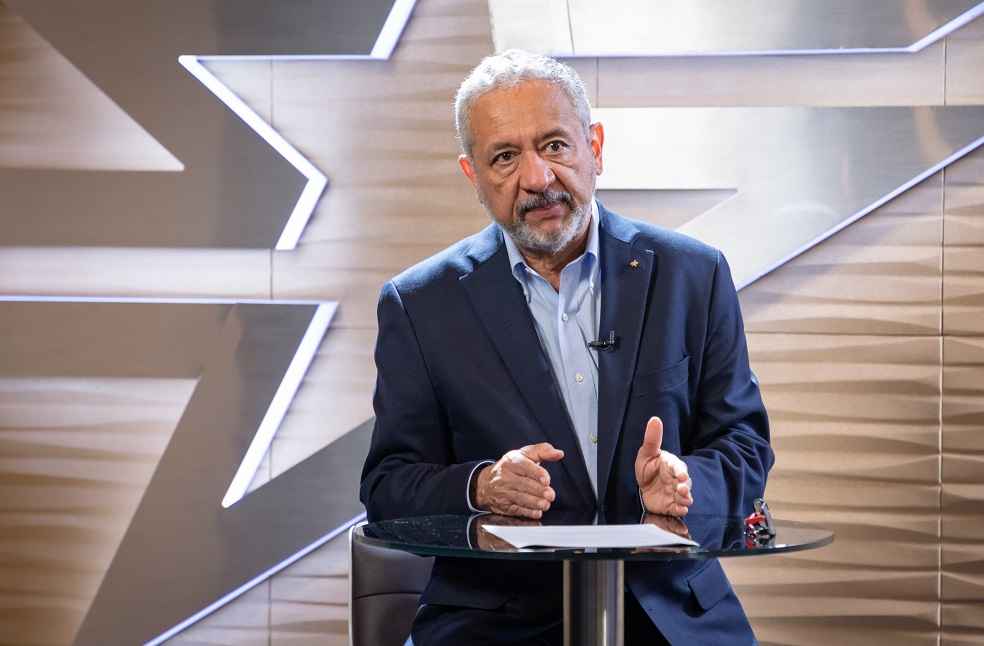
Panama Canal Administrator Ricaurte Vásquez has announced major infrastructure initiatives, including a natural gas pipeline and new ports at both ends of the Canal, to enhance trade reliability and meet rising U.S.-to-Asia energy transport demand.
The developments aim to reinforce the Canal’s long-term role in global logistics amid shifting market and climate challenges.
Speaking at the Houston International Maritime Conference (HIMC), Vásquez said the projects will improve operational stability, diversify services, and position the Canal to handle surging liquefied petroleum gas (LPG) volumes, which are projected to double within the next decade. Much of this growth will come from U.S. Gulf Coast exports to Asia.
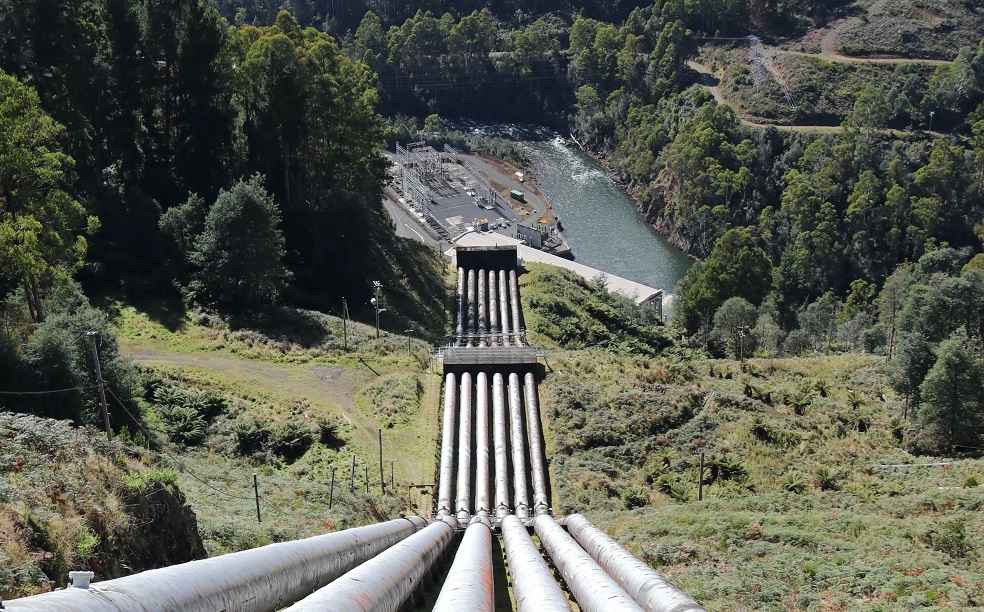
“We are working hard to ensure that environmental and climate conditions do not disrupt operations,” Vásquez stated. “But, through these projects, we are also guaranteeing that the Panama Canal remains committed to diversification with investments that provide operational assurance for the industry.”
Vásquez emphasized that nearly all U.S.-Asia trade transits the Panama Canal, underscoring the need for proactive expansion. “If we do nothing, we’re going to lose that part of the market share. Our long-term vision for the Canal includes capturing that growing volume,” he said.
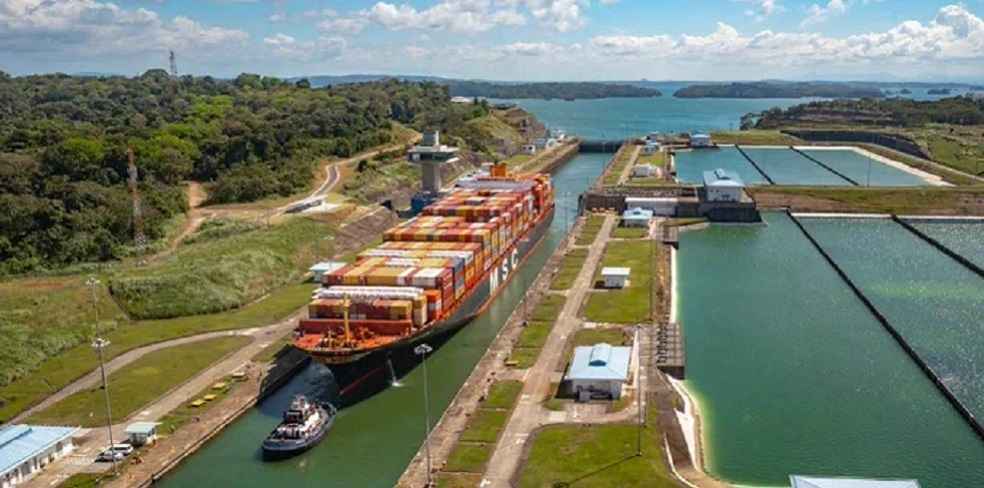
The Canal Authority is preparing to prequalify companies for participation in the port developments, with initial meetings scheduled for early December between terminal operators and shipping clients. Vásquez noted that the process is moving quickly to meet growing industry expectations.
The HIMC, hosted by the Port of Houston, gathered global maritime and energy executives to discuss strategies for strengthening supply chain resilience and efficiency in the face of climate and market volatility.
GLOBAL EVENTS | The 8th China International Import Expo Opens in Shanghai