


Pakistan’s seafood exports to China reached nearly $255 million in 2025, according to figures from the General Administration of Customs of China (GACC).
The increase was driven by steady demand for frozen fish and cephalopods, along with a diversified range of processed seafood products across both coastal and inland markets.
China Customs data indicate that Pakistan’s seafood exports have expanded beyond conventional frozen fish, reflecting wider consumption and rising demand from foodservice and processing sectors.
Despite this diversification, frozen fish remained the largest export segment, generating approximately $64.6 million in shipments to China.
Pakistani frozen shipments were largely directed to major coastal and metropolitan hubs in China. China’s Guangdong province emerged as the leading destination by both value and volume, receiving 8.48 million kilograms valued at $15.7 million.

Shandong and Beijing followed, each surpassing 7 million kilograms in imports. Significant volumes were also recorded in Shanghai, Tianjin, and Zhejiang, underscoring the importance of China’s large urban centers and port provinces in the frozen seafood trade.
Inland provinces, including Sichuan, Yunnan, Guizhou, and Chongqing, also recorded notable frozen seafood imports supported by expanding cold-chain logistics.
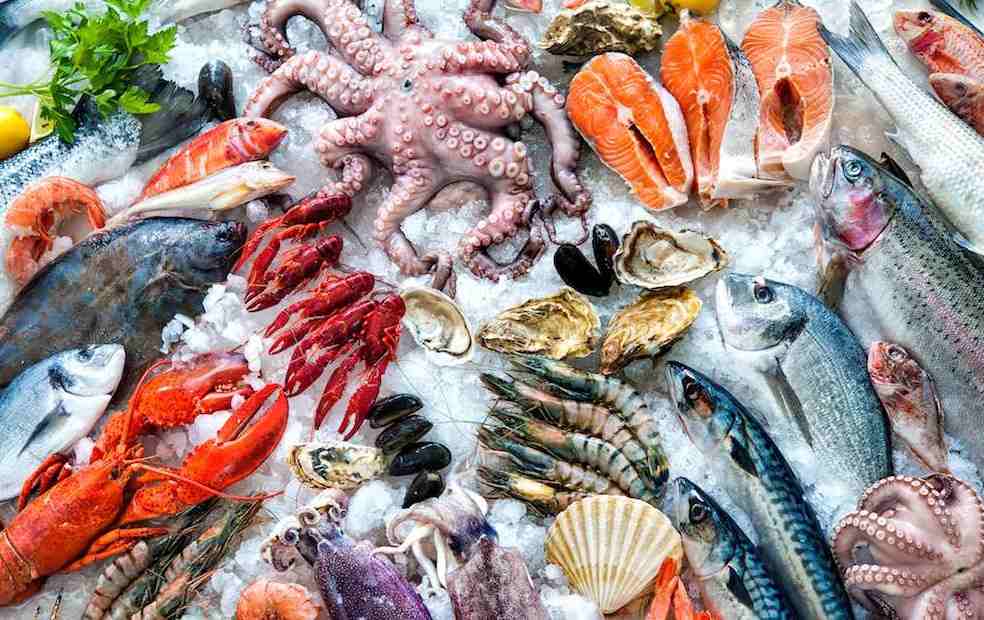
Cephalopods have also become a major driver of export growth, with frozen cuttlefish and squid exports close to $31 million and octopus nearly $12 million, driven by demand from catering and ready-to-cook processors.
Imports of affordable pelagic fish—including frozen sardines, sardinella, brisling, and sprats—reached nearly $14.9 million, bolstered by household consumption and demand from large-scale food manufacturers.
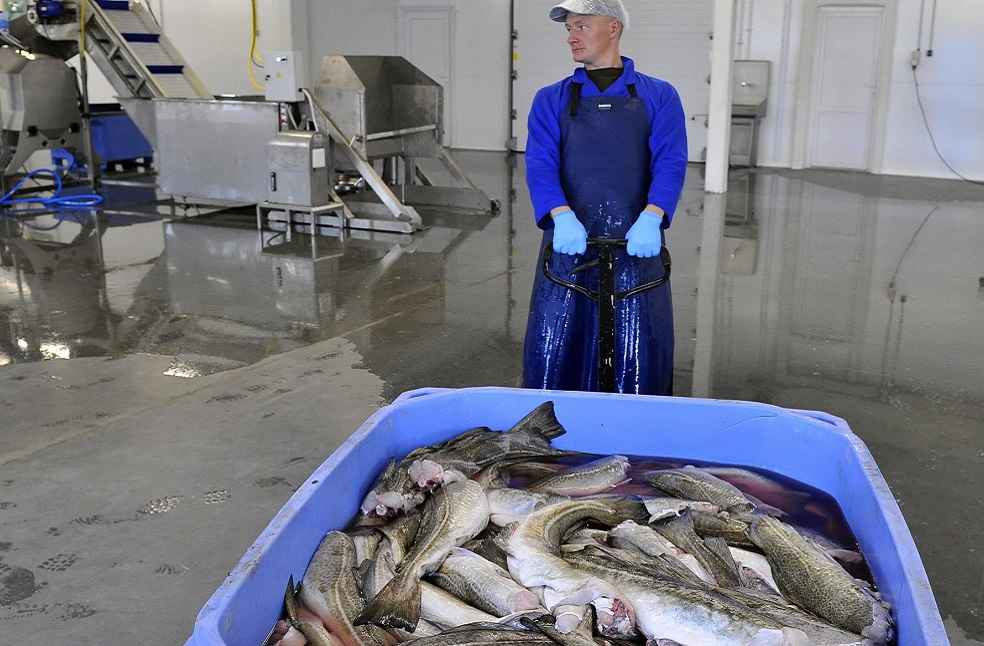
Beyond traditional frozen seafood, Pakistan shipped approximately $14.4 million each in two higher value-added segments classified by China Customs as ‘fish’ and ‘fish products.’ This reflects a gradual move toward more processed offerings, in line with China’s growing appetite for convenience foods, e-commerce distribution, and ready-to-eat seafood.
Analysts linked the overall growth to stronger compliance with Chinese food safety standards, broader approvals for Pakistani processing plants, and competitive pricing. Additional investment in cold-chain logistics and more efficient customs procedures further contributed to higher trade volumes.
POLICY & LAW | Nigeria to End Fertilizer Imports as it Prepares for Urea Export

