


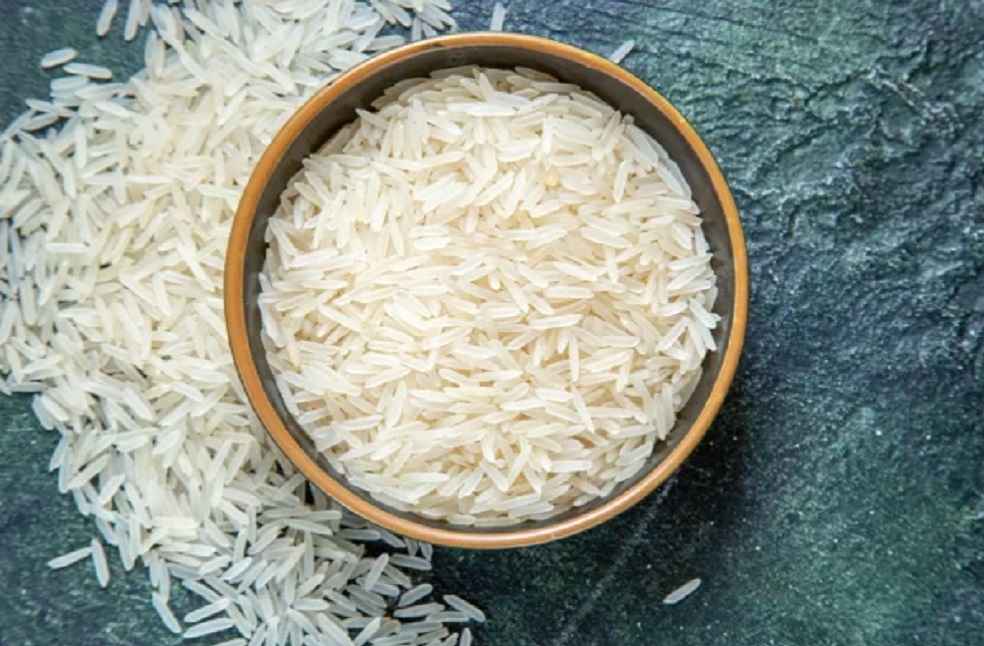
Pakistan’s rice sector is under increasing strain as exports fell in the first half of the current fiscal year, leading to a steep decline in global prices and sparking concern among policymakers.
In a briefing to the National Assembly’s Standing Committee on Commerce, officials reported that both the volume and value of rice exports dropped sharply between July and December. The decline occurred alongside a nearly 50% drop in international rice prices compared with last year’s peak.
Officials linked the decline to a mix of global and domestic factors. A major contributor was the rise in rice production worldwide, which boosted supply in international markets. Further strain came from India’s re-entry into the global rice trade following a temporary export suspension in 2023–24. The return of Indian rice intensified competition, eroding Pakistan’s price advantage.
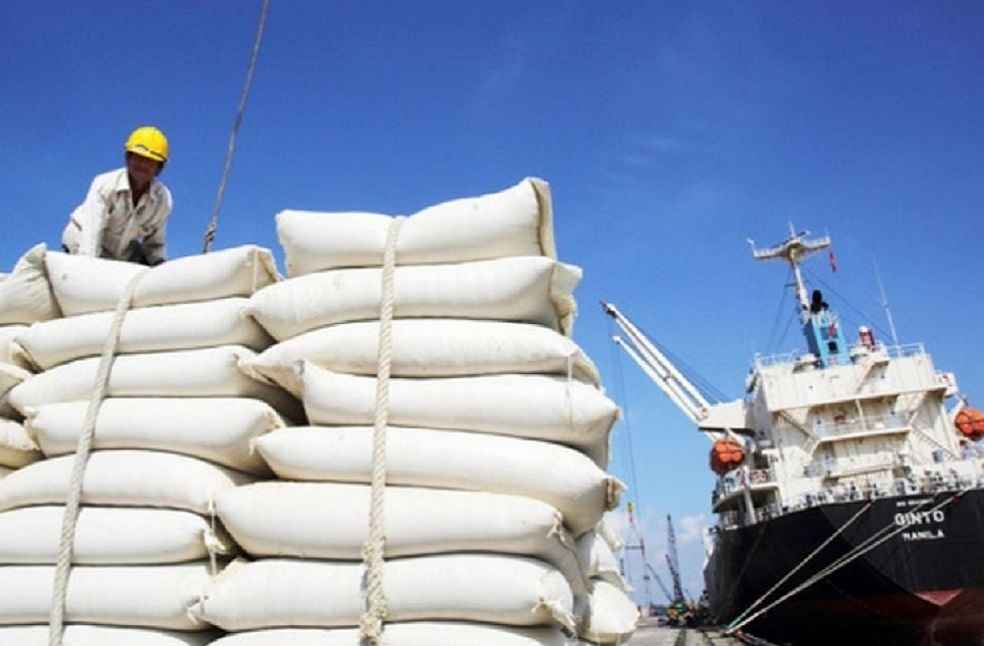
Officials stated that the price differential between Pakistani and Indian rice in international markets has widened to approximately $20 per unit, reducing the competitiveness of Pakistani shipments. Traders noted that this disparity affected buyer choices in major importing regions.
Despite weaker exports, Pakistan currently holds rice stocks valued at roughly $2 billion. Officials further disclosed that capital from the real estate sector had been invested by stockists to acquire rice inventories, indicating speculative activity in the domestic market.
Exports of both basmati and non‑basmati rice to Iran are also underway, officials affirmed. However, payment arrangements and regional trade limitations continue to influence export flows to neighboring markets.
Meanwhile, authorities also reported that financial assistance from the Export Development Fund (EDF) has been extended specifically to rice exporters, a sector that had not previously received such targeted support.
TRADE WORLD | Japan Seeks Fair Terms Under U.S. Tariff Framework Amid New Levies

