


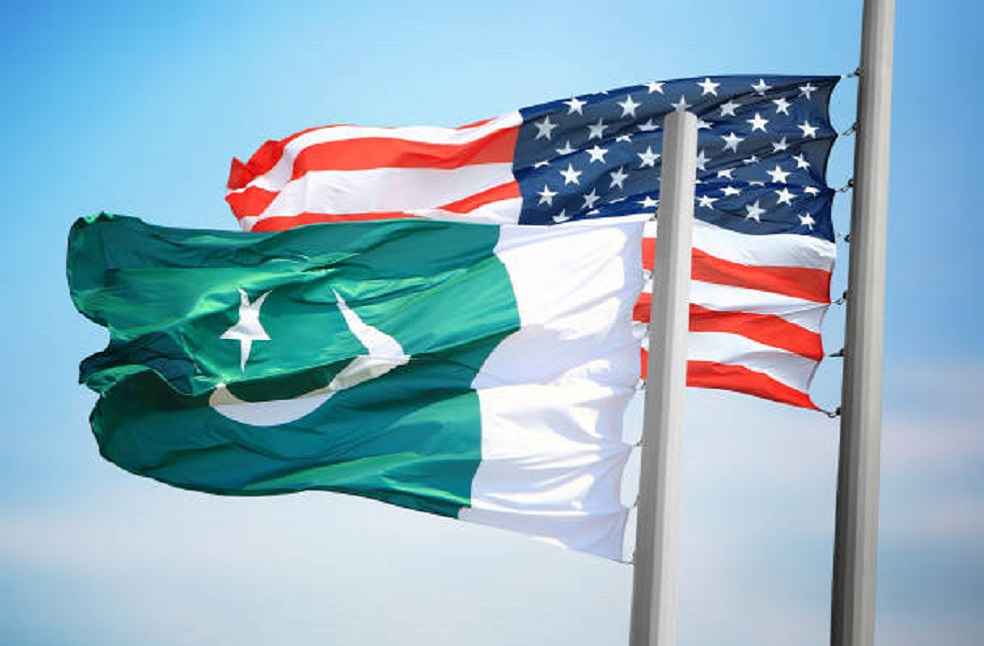
Pakistan and the United States have concluded a crucial round of trade negotiations, which could potentially reshape the future of Pakistan’s key export sectors. The four-day talks, held in Washington, were led by Pakistan’s Commerce Secretary Jawad Paul. This move comes against the backdrop of a proposed 29% U.S. tariff on Pakistani exports and focuses on finalizing a long-term compensatory duty agreement aimed at safeguarding Pakistan’s textile and agricultural exports in the U.S. market.
The temporarily suspended tariff was scheduled to be reinstated if no agreement was reached by July 9. With the deadline approaching, the negotiations were critical for Pakistan, as the reimposition of the tariff would have significantly harmed its export-driven economy.

According to a report in Dawn, both countries have reached a comprehensive framework agreement, though a formal announcement is pending the U.S.’s ongoing discussions with other trade partners. The breakthrough suggests a timely and practical resolution, preventing the reinstatement of heavy duties and allowing Pakistani textiles and agricultural products to retain their upper hand in the American market.
As part of the broader understanding, Pakistan may increase imports of U.S. crude oil and other commodities. The talks also explored avenues for enhanced U.S. investment in Pakistan, particularly in the mining, energy, and infrastructure sectors. Projects like the Reko Diq copper and gold mine featured prominently in the discussions.
Additionally, the agreement could bolster financial cooperation through institutions like the U.S. Export-Import Bank, potentially offering Pakistan more tools for economic growth.
POLICY & LAW | EU to Cut Ukrainian Wheat and Sugar Imports Under New Quota