
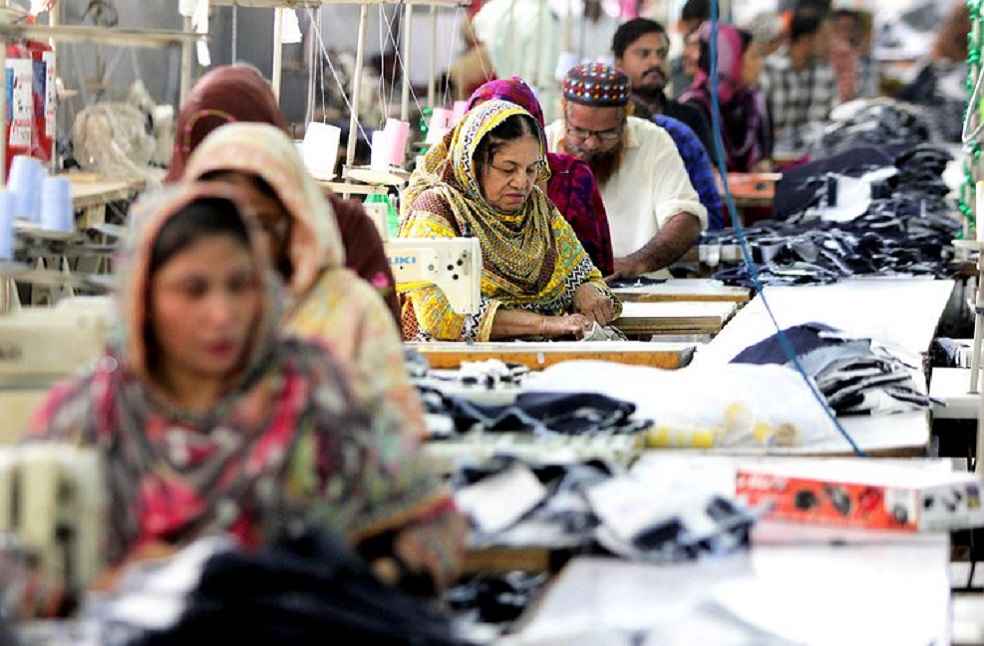
Pakistan’s crisis-hit textile sector has appealed for urgent government intervention, warning that mounting factory closures and job losses are pushing the country’s largest export industry toward collapse.
The Pakistan Textile Council has written to Prime Minister Shehbaz Sharif, urging the government to declare an ‘export emergency’ to halt what it describes as a rapid erosion of competitiveness that now threatens exports, employment, and broader macroeconomic stability. The concerns were highlighted in a report published by Business Recorder.
The warning comes amid a sharp downturn in trade performance. Pakistan’s exports fell by more than 14% year-on-year in November 2025, marking the fourth consecutive month of contraction. During the first five months of FY26, exports declined to $12.8 billion from $13.7 billion a year earlier, while imports surged beyond $28 billion.
This has pushed the trade deficit close to $15.5 billion in just five months. November alone recorded a deficit of $2.86 billion, 33% higher than the same period last year.
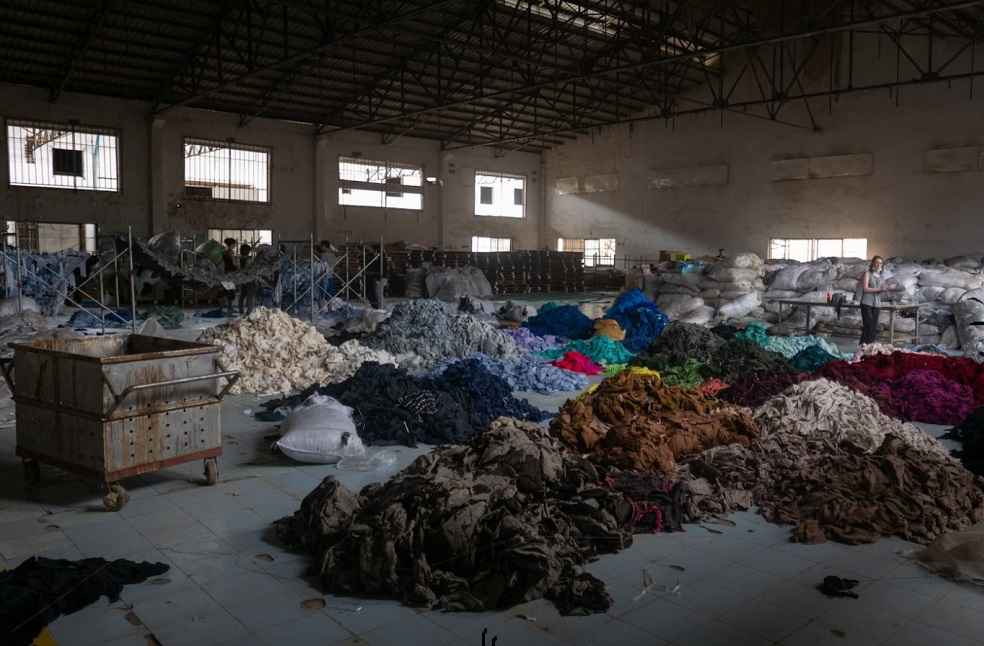
According to the report, the crisis is rooted in a cost structure that has become globally uncompetitive. High and uneven energy tariffs, inconsistent taxation, delayed refund mechanisms, and unpredictable policy signals have squeezed margins across the textile value chain.
Competing exporters in Bangladesh, Vietnam, India, and Sri Lanka benefit from lower energy costs, more stable tax regimes, and targeted export support, placing Pakistan at a structural disadvantage.
Textiles account for more than 60% of Pakistan’s total exports and employ millions of workers directly and indirectly. The report warned that every percentage point drop in textile exports has a cascading effect, reducing foreign exchange inflows, weakening the rupee, increasing inflationary pressure, and intensifying fiscal stress.
In this context, the export slowdown is not merely a sector-specific challenge but a broader national economic risk.

The report also underscored the importance of policy credibility. Textile exporters operate on long investment cycles involving machinery, workforce skills, and market development, making them highly sensitive to regulatory uncertainty.
Frequent changes in duties, tariffs, and incentives erode confidence and drive international buyers toward more predictable suppliers. Once export markets are lost, regaining them is a slow and costly process.
It further argued that Pakistan’s recent economic stabilisation measures, shaped largely by conditionalities linked to the International Monetary Fund, have focused on demand compression and fiscal tightening.
While such steps may stabilize short-term indicators, the report cautioned that an economy of more than 240 million people cannot cut its way to prosperity. Exports, it said, are not optional but the only sustainable path out of Pakistan’s recurring economic crises.
TRADE WORLD | Sri Lanka Gem Industry Urges Faster Reforms, Boost Exports