


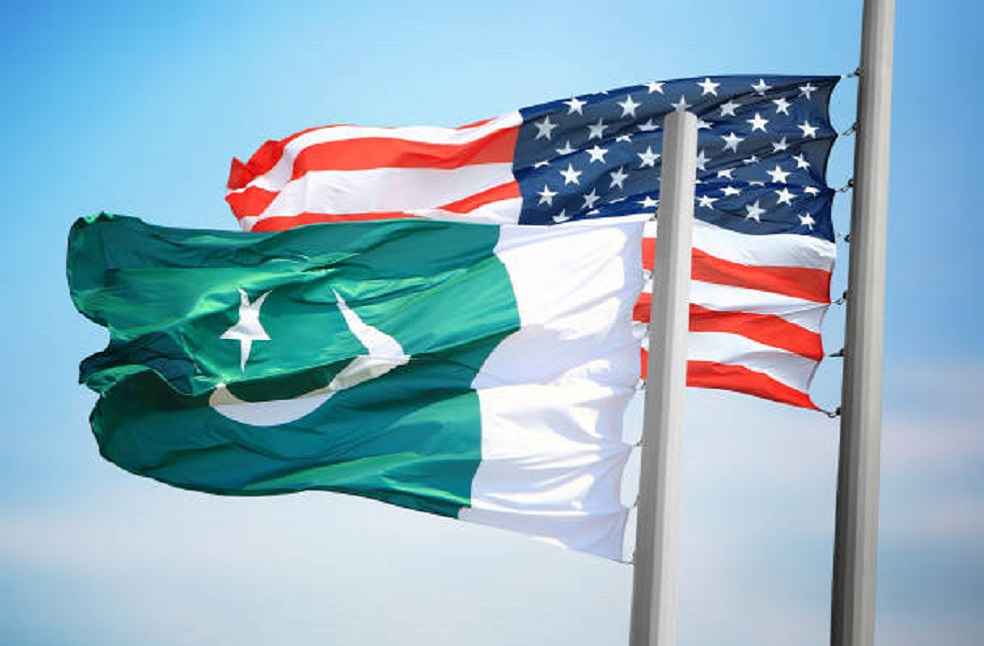
Pakistan’s Foreign Minister Ishaq Dar said that Islamabad is ‘very close’ to finalizing a trade agreement with the United States, suggesting the trade deal could be concluded within days. Dar made the remarks during a discussion at the Atlantic Council in Washington, highlighting the progress made through in-person and virtual meetings between the two countries.
“I think we are very close to finalising a deal with the U.S. Our teams have been here in Washington, discussing, having virtual meetings, and a committee has been tasked by the prime minister to fine-tune now,” Dar said. “It’s not going to be months, not even weeks, I would say (just) days.”
Neither the U.S. State Department nor Secretary of State Marco Rubio offered a timeline following Dar’s meeting with Rubio. Official statements from both governments confirmed their discussions focused on expanding bilateral trade, particularly in critical minerals and mining, but omitted any reference to an imminent agreement.

During the same visit, Pakistan’s foreign ministry expressed appreciation for the roles played by President Donald Trump and Secretary Rubio in de-escalating tensions between Pakistan and India. According to the statement, their efforts helped facilitate a ceasefire following cross-border violence earlier this year. The U.S. State Department’s version of the meeting made no mention of India or the ceasefire.
The ceasefire referenced by Pakistan followed a deadly April 22 militant attack in India-administered Kashmir, which killed 26 people. India blamed Pakistan for the attack, an allegation Islamabad denied. In retaliation, India carried out strikes on May 7, followed by three days of hostilities between the nuclear-armed neighbours. A ceasefire was declared on May 10.
Trump previously claimed on social media that his intervention helped secure the ceasefire, although India has firmly rejected the notion of third-party mediation, insisting that all disputes with Pakistan must be resolved bilaterally.
The proposed trade agreement, if finalized, would mark a notable development in U.S.-Pakistan economic relations, particularly as Washington continues to reconfigure its global trade policy under the precedent set by the Trump administration.
IMEX SECTOR | India may Reject GM Agricultural Imports from the U.S.
