


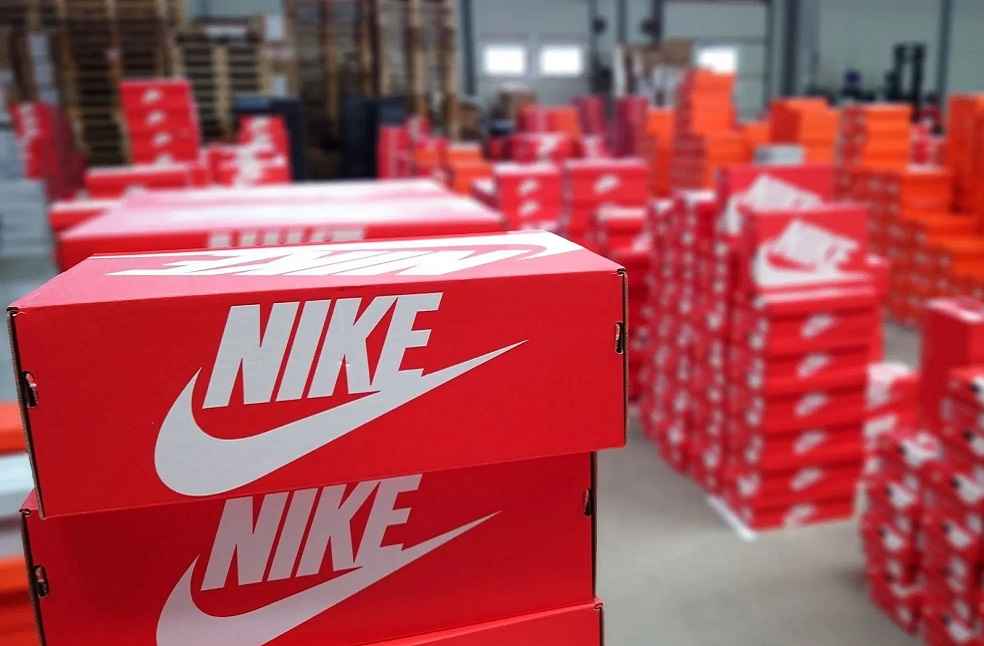
Nike has signalled that it will raise consumer prices as it grapples with ongoing U.S. tariffs on Chinese imports, adding to cost pressures already challenging the athletic apparel giant. CEO Elliott Hill’s renewed focus on sports-led innovation and marketing is beginning to pay off, with Nike’s running category returning to growth in the fourth quarter after a period of decline.
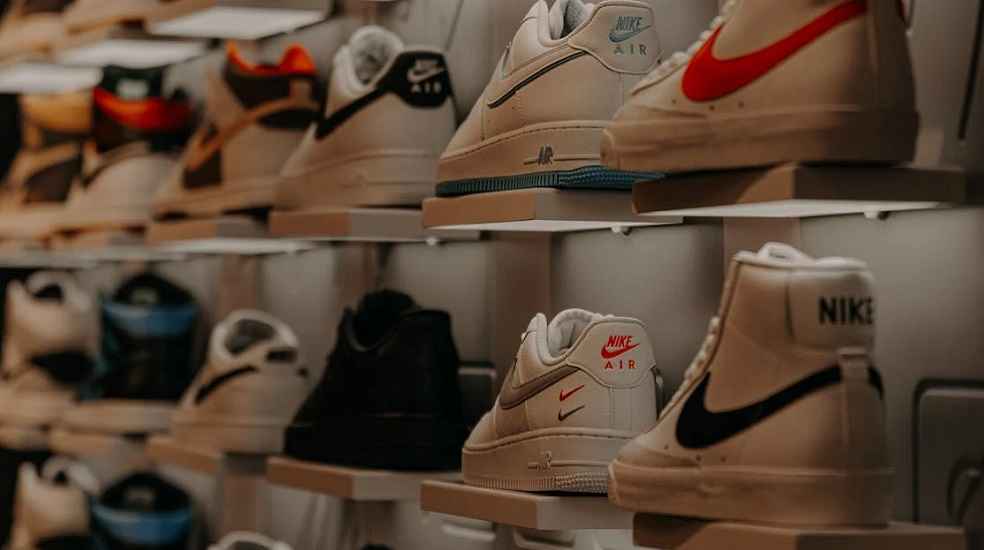
To reclaim lost market share in the fast-expanding running segment, Nike has ramped up investment in performance shoes such as the Pegasus and Vomero lines, while scaling back production of legacy sneakers like the Air Force 1. According to Citi analyst Monique Pollard, the new product push is helping offset declines at wholesale outlets.
“Running has performed especially strongly for Nike,” Pollard noted, highlighting the tactical change in product development and marketing. Nike’s marketing expenses jumped 15% year-on-year in the quarter.
In a notable promotional event on Thursday, Nike-sponsored athlete Faith Kipyegon attempted to break the four-minute mile during a livestreamed race in Paris. Although she fell short, she set an unofficial record, reinforcing Nike’s renewed emphasis on sports performance branding.
Despite this momentum, Nike reported a 12% decline in fourth-quarter revenue to $11.10 billion, better than analysts’ expectations of a 14.9% drop to $10.72 billion. The company forecasts a mid-single-digit revenue decline for the first quarter, slightly more optimistic than analysts’ projections of a 7.3% drop, according to LSEG data.
China remains a key challenge. Executives acknowledged that recovery in the region will take time amid broader economic headwinds and intensifying competition.

Meanwhile, broader U.S.–China trade tensions are contributing to cost pressures. A potential new trade agreement could reduce tariffs from 145% to 55% on Chinese goods, still a major burden for businesses. U.S. Treasury Secretary Scott Bessett said a deal could be reached by Labor Day, September 1.
A recent Allianz Global Trade survey found that 38% of businesses anticipate raising prices in response to rising tariffs. Nike has now joined the list of major brands, including Adidas, Walmart, and Target, preparing for higher consumer prices as the cost of Chinese imports rises.
With 30% of its merchandise sourced from China, Target has already been impacted, while Walmart has warned of upcoming price increases during the critical back-to-school shopping season.
ORGANIZATION NEWS | Von der Leyen Proposes EU-Led Trade Pact to Revive WTO System