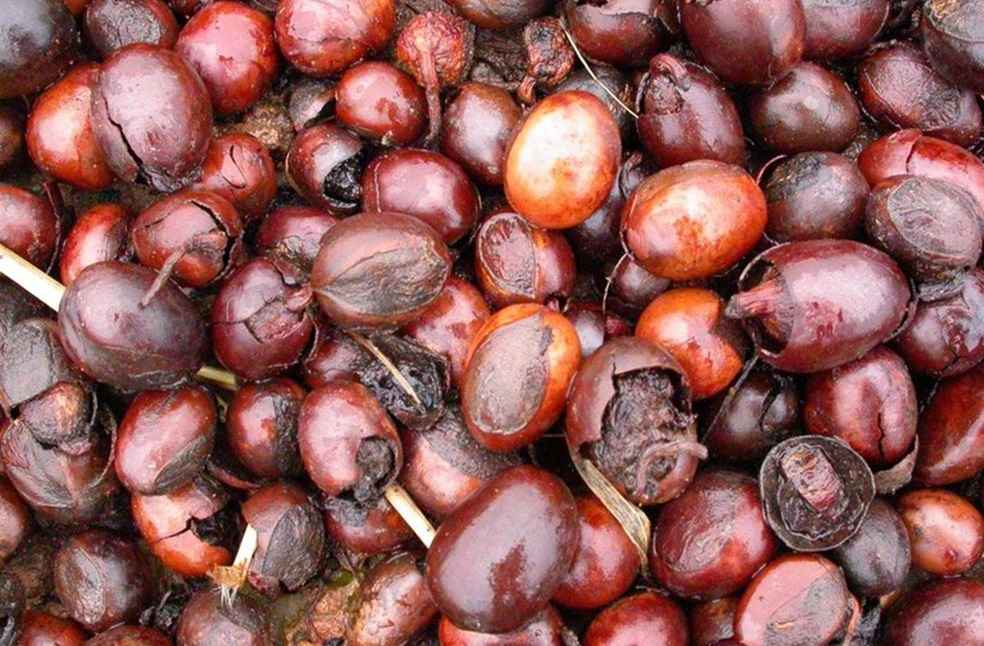
The Nigerian Federal Government has assured it will reassess the ban on raw shea nut exports, citing concerns over its impact on local producers, exporters, and foreign exchange earnings.
Minister of Industry, Trade and Investment, Jumoke Oduwole, revealed the decision on Thursday during a Stakeholders’ Validation Session on the Raw Shea Nut Ban held in Abuja.
The Federal Government introduced a six‑month temporary ban on raw shea nut exports last year to promote local processing and value addition and reduce the export of unprocessed commodities, supporting Nigeria’s goal of becoming a global hub for refined shea products.
Oduwole stated that the ministry would provide President Bola Tinubu with an objective briefing after consulting stakeholders across Nigeria’s shea value chain. She noted that this assessment will determine whether the current ban on shea nut exports should be extended or postponed.

Oduwole further emphasized that the government acknowledges citizens’ right to earn a livelihood and contribute to national growth, assuring that all stakeholder inputs will be thoroughly reviewed and consolidated.
The Minister of Agriculture and Food Security, Abubakar Kyari, said the meeting was convened to objectively review the ban, emphasizing the importance of verified data and transparency. He affirmed that government policies aim to protect jobs and promote local value addition, stressing that decisions should be evaluated comprehensively using measurable outcomes.
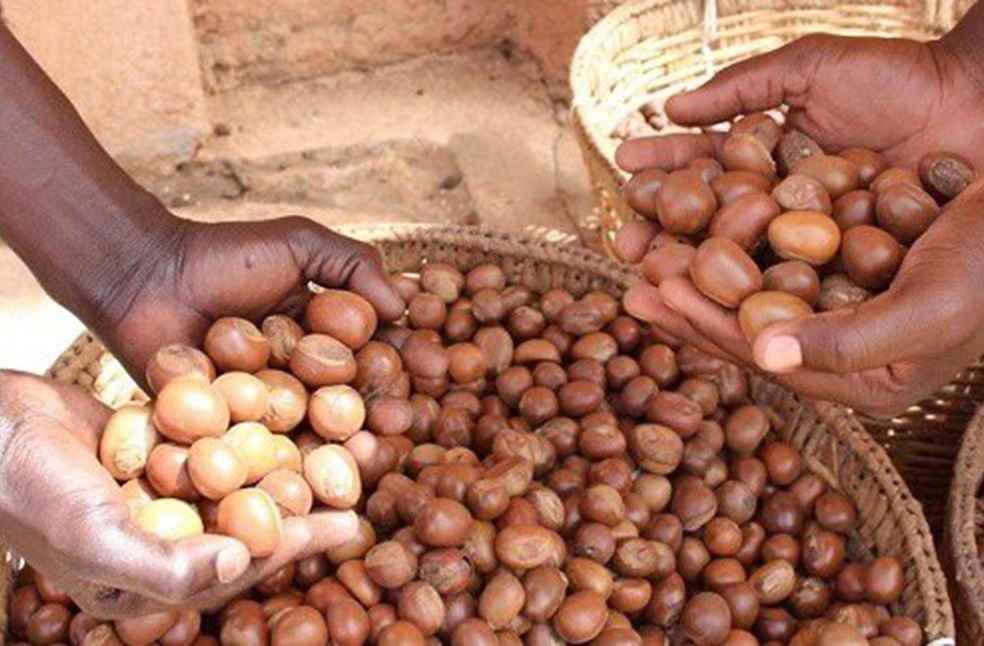
The ban was intended to shift Nigeria from exporting raw materials to focusing on value-added products, with earlier projections estimating up to $300 million in annual revenue from enhanced processing.
The review comes five months after the ban, following industry concerns and calls for adjustments to safeguard the economic value of shea exports.
Before the ban, Nigeria’s raw shea nut exports accounted for less than 1% of the $6.5 billion global market. Since then, local processing has grown, farmer incomes have risen, and shea butter exports have jumped 250% in a year, creating jobs and improving rural livelihoods.
LEADERS SPOT | Canada Trade Minister Boosts ASEAN Trade Ties on Asia Visit