


The Federal Government of Nigeria revealed that it is taking steps to phase out imports of defense and security equipment, aiming to manufacture all required assets domestically within the next two to five years.
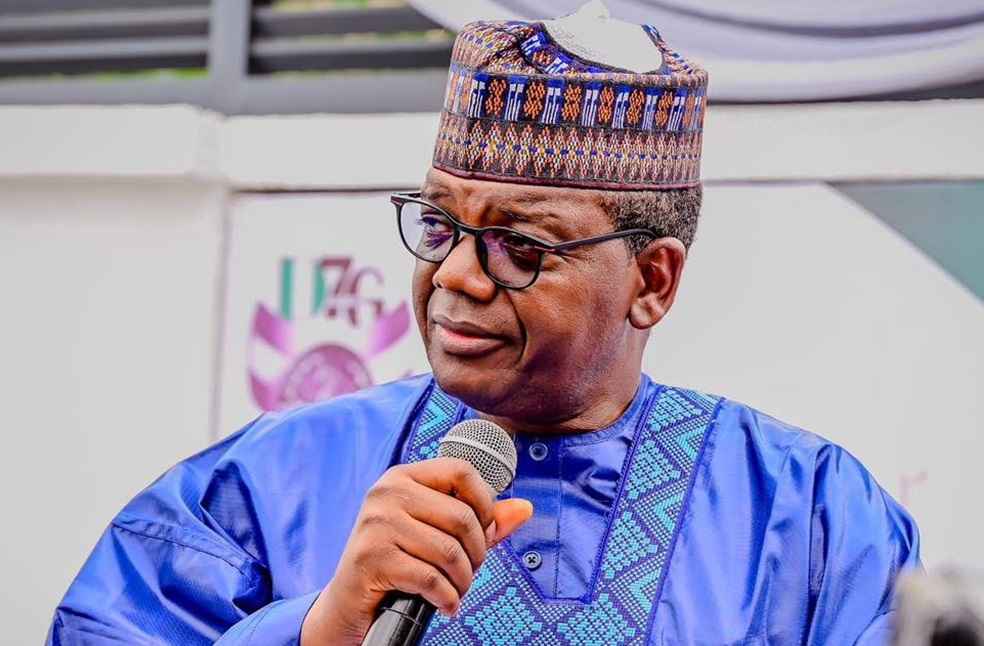
Nigeria’s Minister of State for Defense, Bello Matawalle, made the remarks on Thursday in Abuja during the unveiling of the DICON X-Shield light tactical armoured vehicle, along with several civilian armoured vehicles manufactured locally.
Matawalle, who was represented at the event by the Director-General of the Defense Industries Corporation of Nigeria, Major General Babatunde Alaya, said the push for indigenous defense manufacturing is merely the beginning of a larger plan to achieve full-scale local production.
“By localising production, it will open pathways for export and regional leadership in defense manufacturing. It creates skilled jobs, transfers technical knowledge, and conserves foreign exchange,” he added.
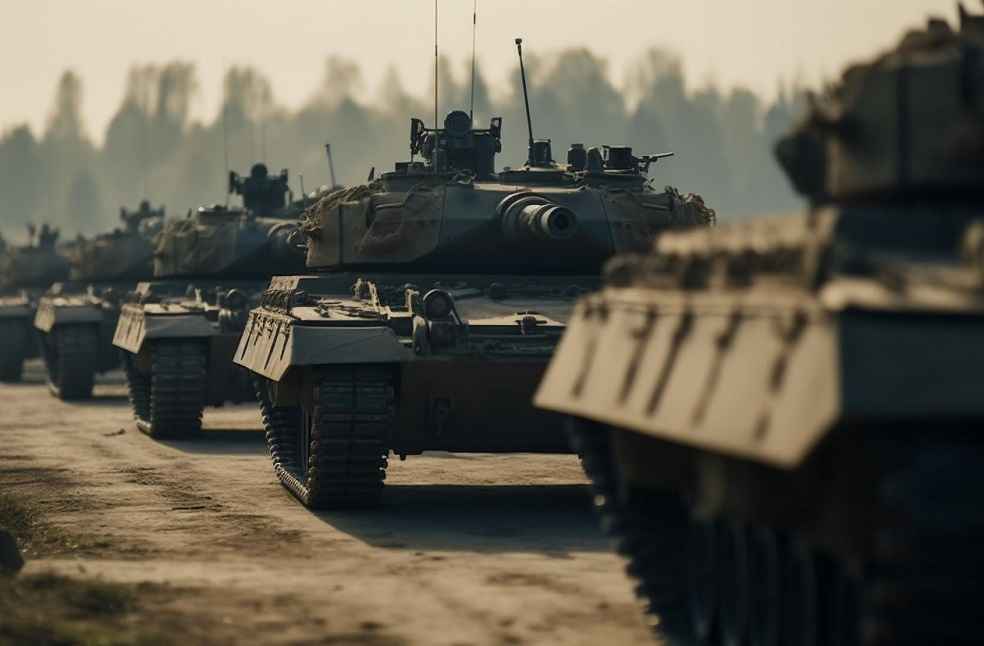
Matawalle said the launch of the armoured vehicles highlights the alignment of security requirements, local capabilities, industrial expertise, and commercial potential, stressing that it signals rising confidence in Nigeria’s technical capacity.
He added that DICON was established to advance indigenous defense manufacturing, reduce dependence on foreign supply chains, and position Nigeria as a reliable producer of military and security assets.
The minister also praised X-Shield for its expertise in advanced vehicle armor, ballistic engineering, systems integration, and quality assurance, calling the firm a valuable ally in Nigeria’s defense industrial push.
The locally built armoured vehicle was developed to meet modern operational demands, providing protection, adaptability, and survivability while remaining cost-effective and suitable for domestic production and maintenance.
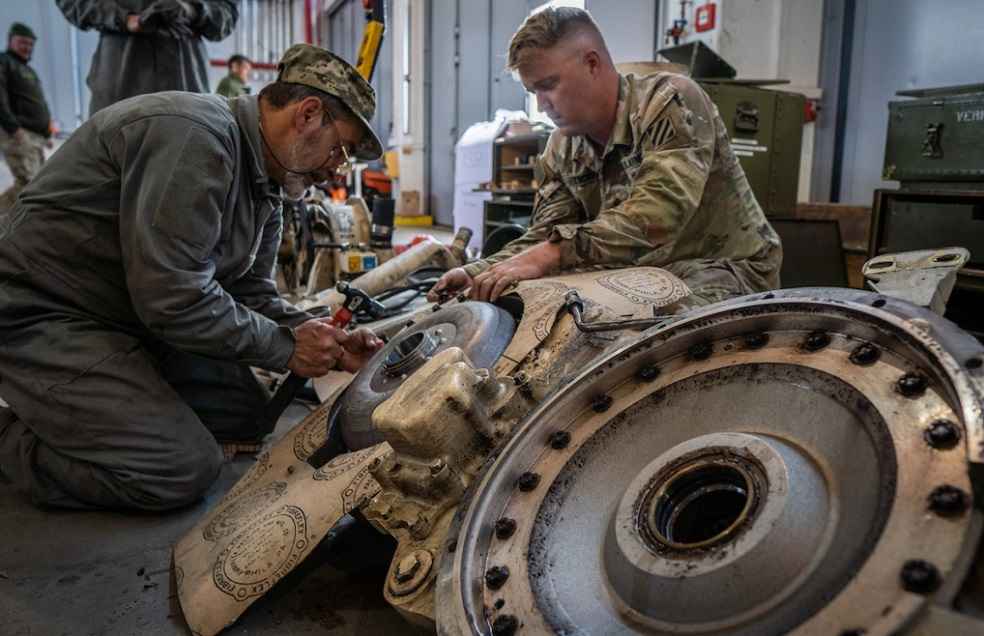
Nigeria’s drive to strengthen local defense production comes after escalating security threats and growing concerns over the cost and sustainability of imported military and security equipment.
For decades, the country has relied heavily on overseas suppliers for essential defense resources, leaving it exposed to supply chain interruptions, foreign exchange strain, and procurement delays.
LEADERS SPOT | Carney Backs New Trade Deals, Expects U.S. to Respect Canada