


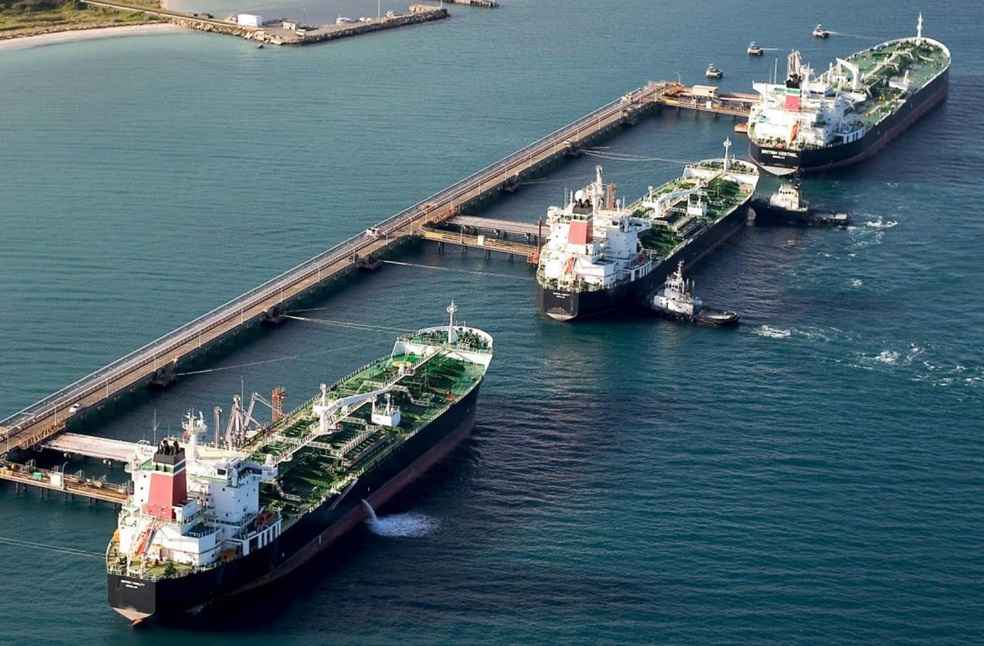
The Nigerian Federal Government has suspended the enforcement of the previously approved 15% ad valorem import duty on Premium Motor Spirit (petrol) and diesel.
The Nigerian Midstream and Downstream Petroleum Regulatory Authority (NMDPRA) declared the suspension in a statement issued by its Director of Public Affairs, George Ene-Ita.
The levy, approved by President Bola Tinubu in October, was introduced as part of fiscal policies designed to align import expenses with local production conditions and promote the development of domestic refineries.
The approval, informed via a letter from the President’s Private Secretary, Damilotun Aderemi, followed a proposal submitted by the Executive Chairman of the Federal Inland Revenue Service (FIRS), Zacch Adedeji.

Adedeji argued that the new tariff structure would enhance equity within the downstream sector and incentivize the use of locally refined fuel, while preventing importers from undermining domestic producers. In his memo to the President, he stated, “The core objective of this initiative is to operationalize crude transactions in local currency, strengthen local refining capacity, and ensure a stable, affordable supply of petroleum products across Nigeria.”
He clarified that the initiative was designed as a corrective step rather than a revenue-generating move, aimed at stabilizing the market by narrowing the price disparity between imported and domestically refined products.
The policy was scheduled to take effect following a 30-day transition period concluding on November 21.
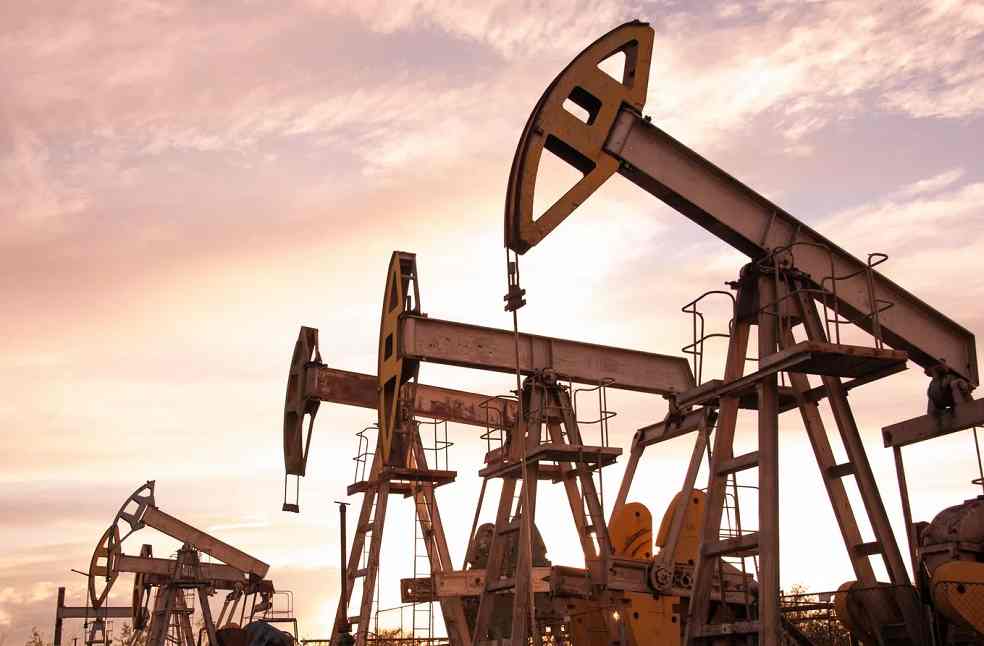
However, the proposal faced significant backlash from oil and gas industry stakeholders, who cautioned that it could lead to higher prices, elevated import expenses, and rising inflation, especially as domestic refineries are still scaling up operations.
In a recent statement, the NMDPRA noted that the implementation of the import duty is ‘no longer in view,’ affirming that Nigeria presently maintains sufficient petroleum product supplies through both local refining and imports.
The suspension aligns with the government’s broader push to ensure a stable fuel supply and pricing, while advancing the shift toward self-reliance through domestic refining projects such as the Dangote Refinery and modular plants.
METAL WORLD | Norway Opposes EU Safeguard Measures on Ferroalloy Imports