


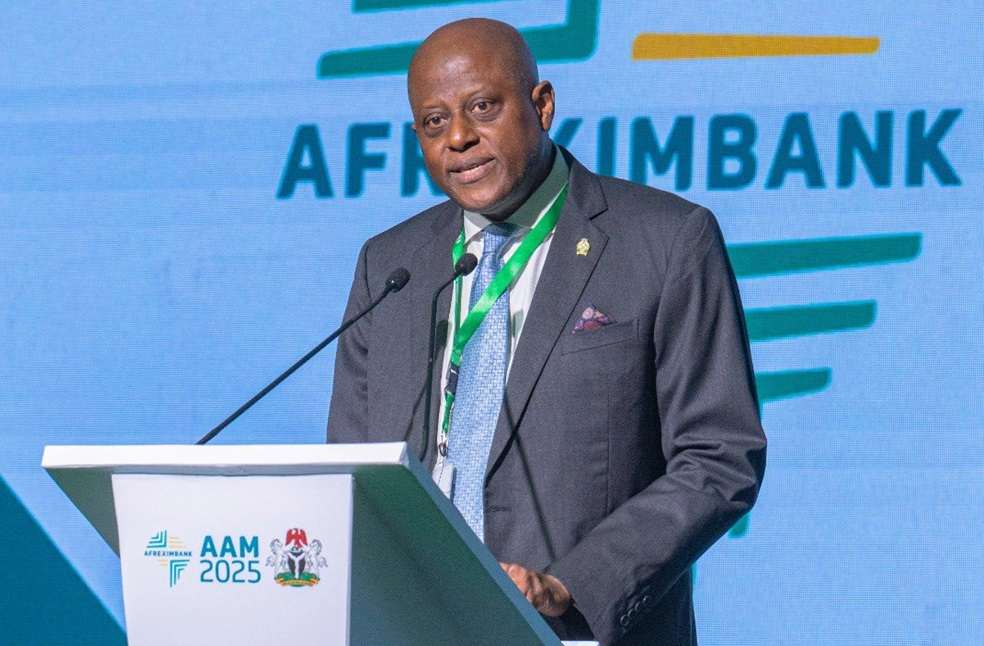
Nigeria is working on a new framework to facilitate the use of national currencies for settling bilateral trade, according to Central Bank Governor Olayemi Cardoso. During a press briefing at the IMF/World Bank Annual Meetings in Washington, D.C., Cardoso noted that although Nigeria had previously attempted local currency trade agreements, the efforts fell short of expectations.
He stated that the Central Bank is now adopting a more deliberate and systematic strategy to ensure that future local currency trade deals provide mutual advantages and help lessen reliance on foreign exchange for cross-border transactions.
Bilateral currency trade deals—also referred to as local currency settlement agreements—enable two countries to conduct trade using their own national currencies rather than the U.S. dollar or other global reserve currencies.
Nigeria previously explored bilateral currency agreements, most notably with China through a 2018 currency swap deal between the Central Bank of Nigeria and the People’s Bank of China. Valued at approximately ₦720 billion, the agreement aimed to ease pressure on Nigeria’s dollar reserves, boost trade with China, and simplify access to the yuan for Nigerian importers purchasing Chinese goods.

However, the initiative faced several challenges, including low awareness among traders, logistical issues, exchange rate volatility, and the absence of a strong settlement framework. As a result, many Nigerian businesses continued to depend on the U.S. dollar for imports, and local banks struggled to maintain adequate yuan liquidity.
Cardoso’s remarks indicate that the Central Bank is reconsidering the use of national currencies, particularly as the naira gains competitiveness due to recent foreign exchange reforms. He also noted that these reforms, along with broader macroeconomic adjustments, have improved Nigeria’s external standing, leading to a positive trade balance for the first time in several years.
The CBN chief stated that current economic reforms have increased investor confidence and strengthened the country’s trade performance. He highlighted that a more adaptable exchange rate is already promoting local production while reducing reliance on imports.
He also affirmed that the development signals a ‘complete restructuring’ of the economy, which has strengthened its resilience and established safeguards against external shocks, especially in the oil sector, Nigeria’s main source of export earnings.
BANKING & FINANCE | Saudi EXIM Bank Partners with IFC to Expand Global Export Financing

