


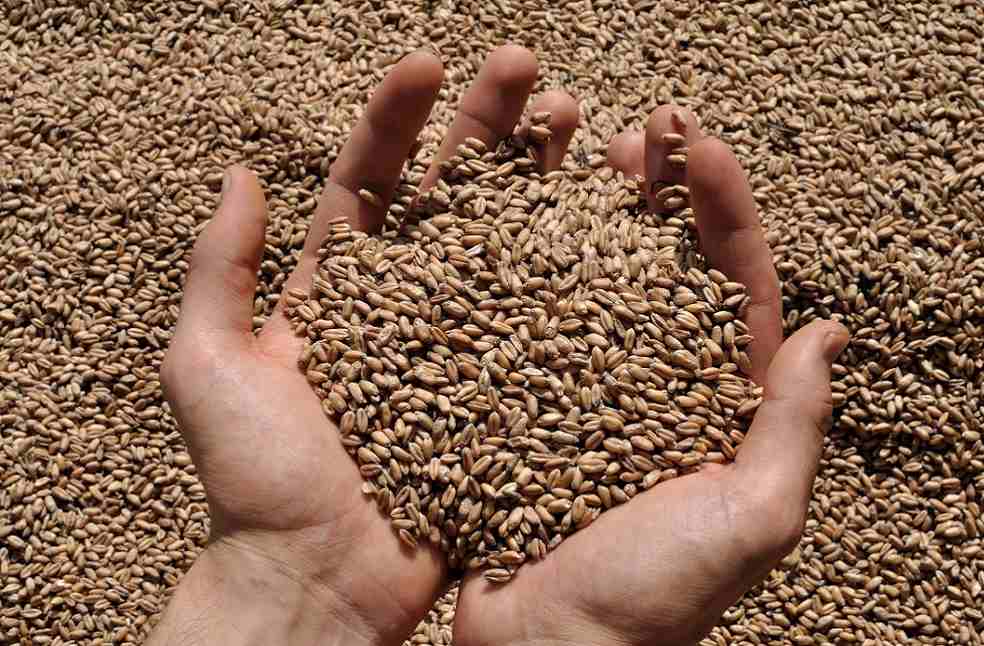
The Federal Government of Nigeria has denied allegations that it imported grains to lower food prices, explaining that the recent drop in food costs is due to increased domestic production. During a press briefing in Abuja held in honor of the 2025 World Food Day, Minister of State for Agriculture and Food Security, Sabi Abdullahi, made the clarification.
He highlighted that the government has intensified agricultural productivity through various ongoing initiatives aimed at enhancing food availability, accessibility, and affordability.
Abdullahi added that since the current administration took office, its primary focus has been on reducing food prices by increasing the production of key crops like wheat, maize, and cassava.
“From 2023, the government embarked on massive food production under the Agricultural Pocket Scheme, through which we injected about 500,000 metric tons or more of various commodities,” Abdullahi said.
He explained that while the government authorized a brief importation period in 2024 to address the demand-supply shortfall, the imported grains have not yet been distributed.
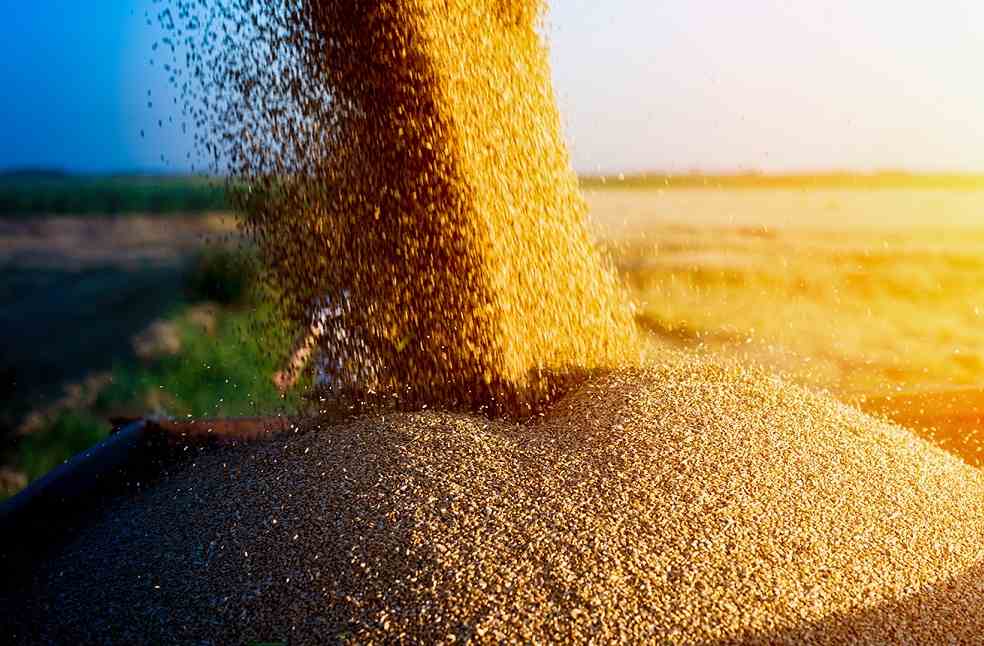
The minister highlighted that various state governments have also supported the national strategic grain reserve to maintain a stable food supply and affordability. States such as Niger, Kaduna, Kano, and Jigawa have stored grains to act as a buffer during periods of scarcity. Abdullahi added that the federal government is providing farm inputs to smallholder farmers to help them stay productive and strengthen their resilience.
The minister also revealed plans to formally integrate First Lady Oluremi Tinubu’s ‘Every Home a Garden’ initiative into the National Agricultural Programme. According to him, the initiative aims to enhance gender inclusion, increase household-level food production, and support sustainable urban farming methods.
Abdullahi further added that the government is advancing climate-resilient farming techniques, including drought-resistant crops, efficient irrigation technologies, and agroforestry, to reduce climate-related risks and reinforce national food security.
TRADE WORLD | IMF Chief Says Open Trade Vital for India’s Continued Economic Growth