


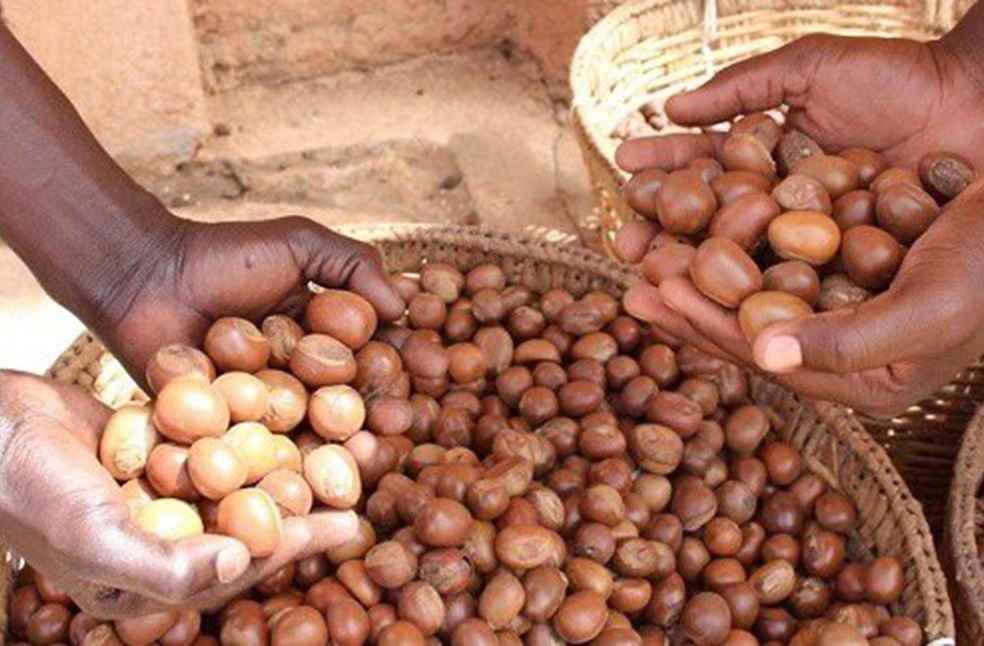
Nigerian President Bola Tinubu has ordered a six-month temporary suspension on raw shea nut exports to reduce informal trade and promote local processing.
The directive, issued on Tuesday, follows the recent inauguration of Africa’s largest shea butter processing plant in Mokwa, Niger State, built by Salid Agriculture Nigeria Limited. The temporary ban, which will be reviewed after its duration, aims to stabilize the sector and enable Nigeria to generate approximately $300 million annually in the near term.
Nigeria ranks among the top producers of shea nuts in West Africa, a region that dominates global supply. Yet, the majority of exports have been in raw form, limiting the economic gains from processing them into higher-value products like shea butter and other derivatives used in the cosmetics, pharmaceutical, and food industries.

The ban is not “an anti-trade policy but a pro-value addition policy designed to secure raw materials for our processing factories and enabling industries run at full capacity, thereby boosting rural income and jobs for our people,” said Vice President Kashim Shettima, who declared the president’s directive.
The minister stated that while Nigeria contributes nearly 40% of the world’s shea nut production, it captures only 1% of the $6.5 billion global shea market—calling it ‘unacceptable.’
Earlier, Minister of Agriculture and Food Security, Senator Abubakar Kyari, noted that Nigeria remains the largest global producer of shea nuts, generating 350,000 metric tons annually across 30 states. However, the country benefits from less than 1% of the global market, primarily due to informal trading. He added that over 90,000 metric tons of raw shea are lost each year through unregulated cross-border trade.
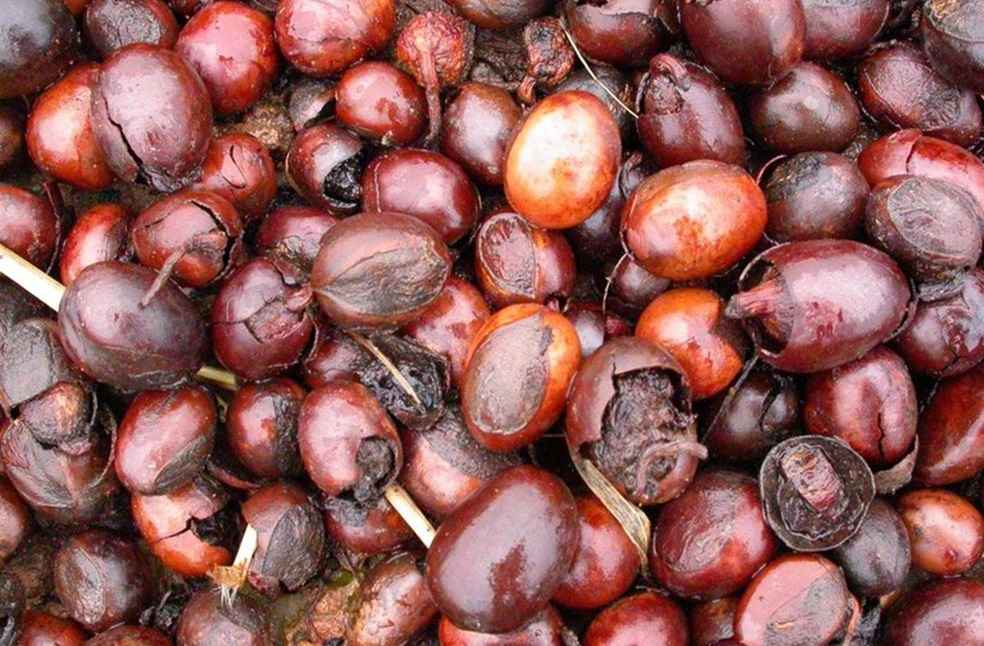
Shettima added that the move will shift Nigeria from exporting raw shea nuts to becoming a global supplier of refined shea products, while also driving industrialization, rural development, and broader trade.
By suspending raw shea nut exports, Nigeria has joined a rising number of West African nations, such as Burkina Faso, Mali, Côte d’Ivoire, and, more recently, Togo, that have implemented restrictions to encourage local processing.
LOGISTICS INDUSTRY | Carney Outlines Port Expansion Projects to Enhance Infrastructure