


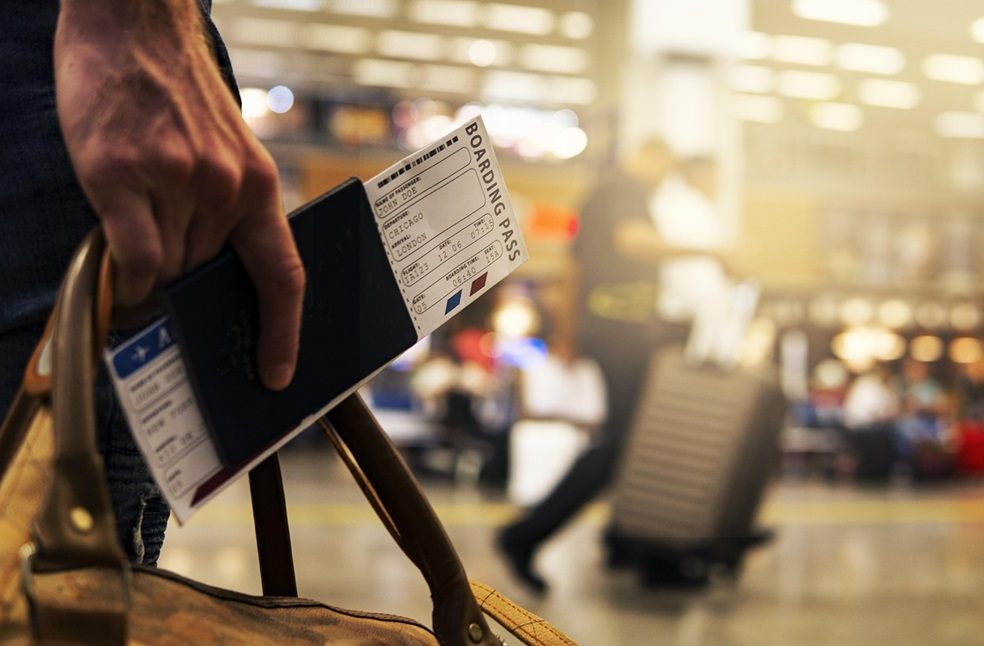
The U.S. State Department has outlined plans to require bonds of up to $15,000 from travelers visiting the U.S., according to a temporary final rule published in the Federal Register on Tuesday.
The government has declared a 12-month ‘visa bond’ pilot program scheduled to begin on August 20, aimed at travelers from countries with a history of high visa overstay rates and inadequate screening and vetting processes.
The program sets a bond of up to $15,000 for foreign nationals applying for B-1 or B-2 business or tourist visas and will last until August 5, 2026. The bond serves as a guarantee that visitors will comply with visa conditions and depart the United States as required.
The Trump administration stated that the program is intended to curb visa overstays in the U.S. and is a direct implementation of President Donald Trump’s January executive order, ‘Protecting the American People Against Invasion.’
Visa applicants must post a bond of $5,000, $10,000, or $15,000 as a condition for visa issuance, with the amount decided by consular officers based on individual circumstances. According to the administration, this assessment may include details shared in the application or during the interview, such as the applicant’s travel purpose, employment status, income level, skills, and educational background.
The State Department revealed that the program will initially target visa applicants from Malawi and Zambia. The list of eligible countries will be updated as the program progresses. Additionally, visa holders from these two nations will be required to enter and exit the U.S. through one of three designated airports: Boston Logan International, John F. Kennedy International, or Washington Dulles International.
Visa holders who submit bonds and fully comply with the terms, including not overstaying, will receive full refunds. However, those who breach any of the conditions will forfeit the bond.
The State Department emphasized that the program serves not only as an enforcement measure but also as a ‘diplomatic tool’ to encourage foreign governments to strengthen their internal security measures. This initiative aligns with the Trump administration’s ongoing overhaul of federal immigration and visa regulations.
METAL WORLD | China’s Rare Earth Metals Restrictions Stall U.S. Defense Supply

