


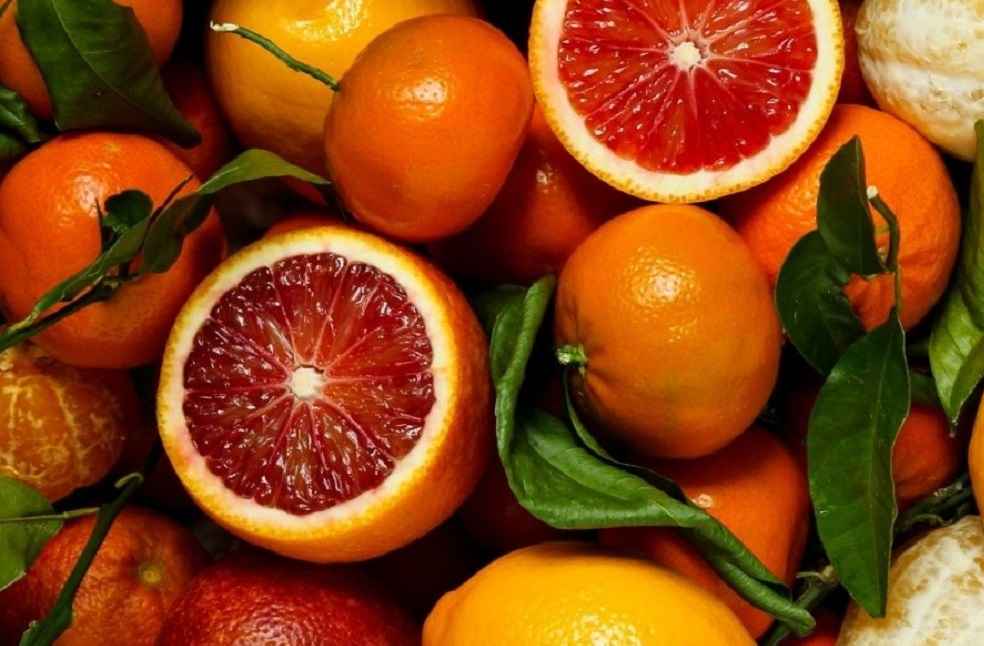
South Africa, the world’s second-largest exporter of oranges, is seeing renewed momentum in Asia as rising incomes and shifting consumer preferences drive demand for fresh and nutritious produce, including South African citrus. Between 2003 and 2025, exports to Asian markets expanded steadily, reinforcing the country’s position as a key global supplier.
China has emerged as the largest Asian destination for South African oranges, with imports rising almost fivefold over the past five years to about 64,052 tons in 2024. Strong growth has also been recorded in India and Indonesia, where South Africa has strengthened its market presence despite intense competition from exporters such as Egypt, Spain, Greece, and the United States.
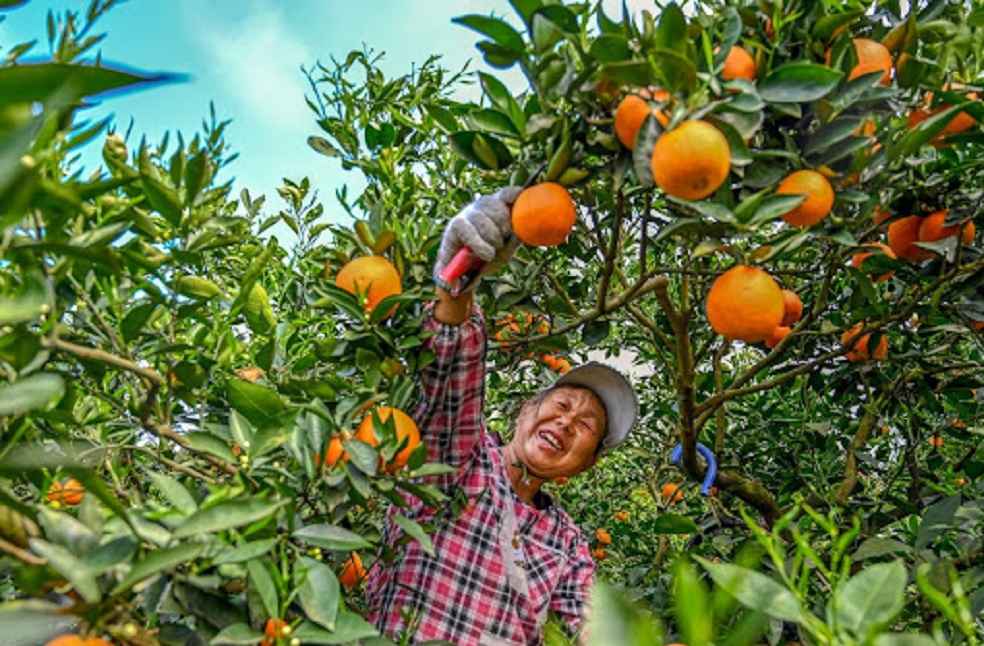
Trade indicators underline this performance. South Africa’s relative comparative advantage index has consistently remained above 20, while the Net Export Index has stayed close to 100, reflecting a sustained global edge in orange production and trade.
Export outcomes across Asia, however, remain uneven. Shipments to India have grown by more than 80% annually, cementing its role as a core growth market. Exports to Japan and South Korea have declined, largely due to strong competition from the United States and Australia, alongside stricter market access conditions and complex phytosanitary requirements.
South Africa also lost market share in destinations such as Hong Kong, India, and South Korea between 2003 and 2013, as export growth lagged the global average. Improved competitiveness after 2014 has since helped the industry regain momentum in several of these markets.

Technical barriers to trade and sanitary and phytosanitary measures remain a major challenge. While designed to protect consumers, these regulations often act as non-tariff barriers. Japan, for instance, enforces stringent standards on transport, storage, and labelling that affect more than 75% of orange imports, including those from South Africa.
Statistical analysis confirms that stricter SPS and TBT rules tend to reduce export volumes by raising compliance costs, although they can also encourage higher quality standards and stronger long-term positioning.
South Africa’s orange industry continues to demonstrate resilience in a competitive global environment. Industry analysts say future growth will depend on sustained investment in infrastructure, regulatory compliance, and market diversification, as Asian markets place increasing emphasis on food safety, quality, and reliability.
BUSINESS GENERAL | India Keeps Dairy Products Out of New Zealand Trade Pact