


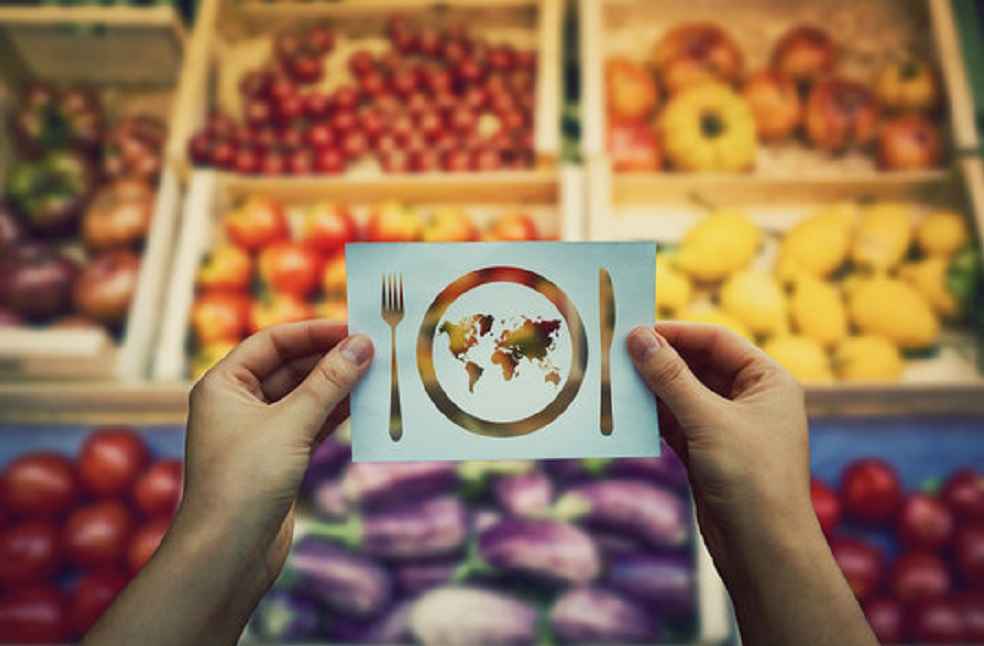
Seventeen countries are enforcing 27 export restrictions on food and fertilizer through September 2025, underscoring how governments continue to rely on trade controls long after the initial shocks of COVID-19 and the war in Ukraine, according to new data from the International Food Policy Research Institute (IFPRI).
The IFPRI Tracker shows a shift from early-pandemic blanket bans to more targeted tools such as export taxes, licensing rules, quotas, and product-specific limits. These measures now function as long-term policy choices shaping global food flows rather than temporary crisis responses.
Ghana imposed bans on maize, rice, and soybeans in August 2024, initially described as short-term but now extended through December 2025. This move places Ghana alongside larger economies such as India, Russia, Turkey, and Ukraine, all of which appear in the Tracker for their own combinations of taxes, bans, and licensing requirements.
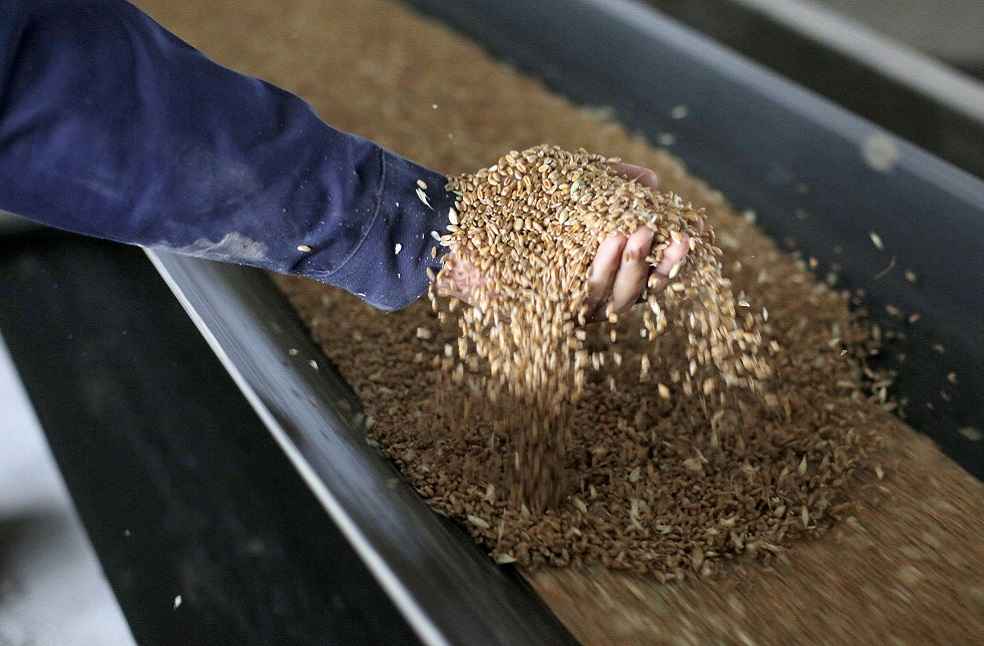
India continues to protect domestic sugar and rice supplies through bans and taxes, while Russia has applied a range of export taxes across wheat, barley, and maize. Turkey maintains restrictions on staples, including potatoes, onions, sunflower oil, and seeds, highlighting the wide geographic spread of export controls across key agricultural products.
Across southern Africa, Botswana, Malawi, Zambia, and Nigeria have all restricted maize exports, creating a regional pattern of supply protection. While each government aims to stabilize domestic markets and avoid political consequences, the combined effect is a more fragile global system as restrictions accumulate.
Simultaneous controls reduce the number of open markets, raise pressure on remaining suppliers, and distort global prices. IFPRI describes this trend as persistent rather than panic-driven policymaking, showing how trade controls have evolved from emergency actions into entrenched strategic instruments.
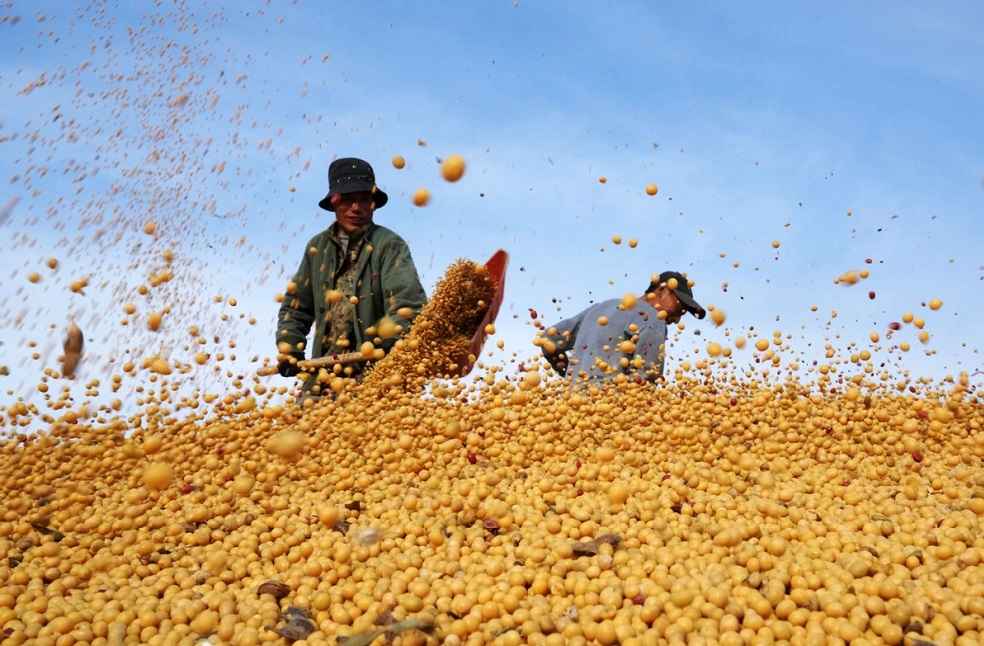
For Ghana, the August 2024 decision marks a notable shift in food security policy, aligning the country with governments using trade barriers as buffers even as global markets attempt to recover. The move carries domestic implications for price stability and availability, while also influencing regional trade and broader commodity flows.
IFPRI’s data highlights export restrictions as one of the most influential and risky policy tools shaping food security as 2025 progresses. Though governments increasingly calibrate measures through licensing systems and quotas, the cumulative impact of 27 restrictions across 17 countries continues to disrupt global agriculture, particularly for import-dependent states.
With Ghana’s controls set to remain in place until December 2025, the country is part of a wider shift in which developing and emerging economies prioritize domestic stability over international trade commitments. The normalization of these restrictions signals a structural change in global food security strategies, with national interests taking precedence over integrated markets.
BANKING & FINANCE | U.S. Ex-Im Bank Sets $100bn Push to Secure Global Supply Chains