


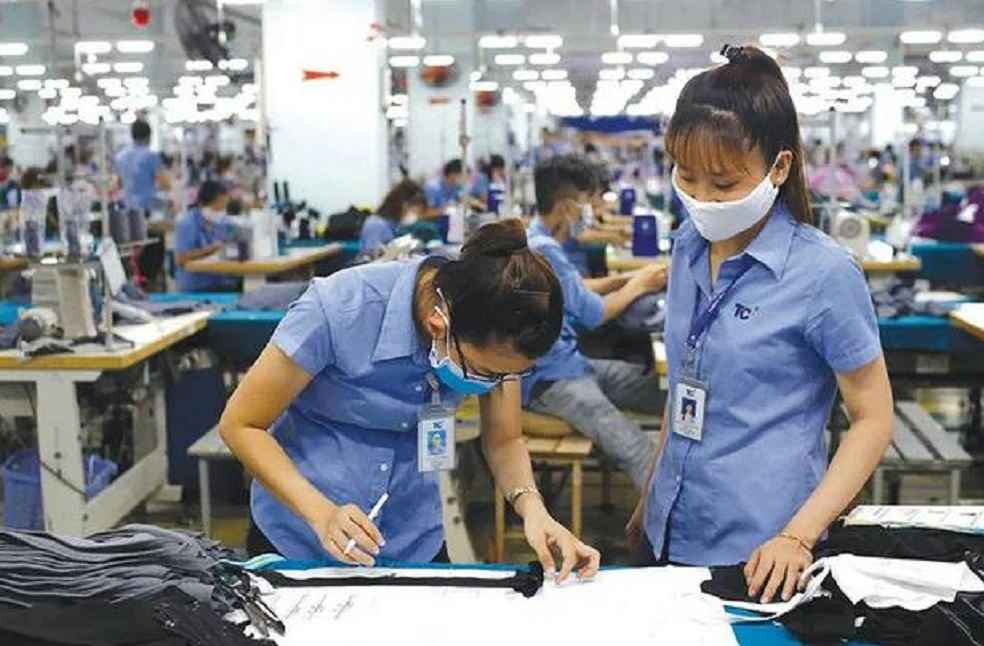
Myanmar’s garment industry is under heightened global scrutiny as labor and human rights violations escalate with little accountability since the February 2021 military coup. Rights groups say weakened labor governance, military repression, and factory-level abuses are reinforcing one another, deepening risks across the sector.
Research by the Business and Human Rights Center recorded 665 cases involving garment workers between March 2021 and October 2024. The findings point to systemic violations rather than isolated incidents, signalling a near-collapse of labor protections in a key apparel-exporting country.
Reported abuses include forced overtime, unsafe work sites, wage deductions, retaliation against union activity, and widespread gender-based harassment. Rights advocates say these practices have become routine across export-oriented factories.
Freedom of association has sharply deteriorated. Union leaders face intimidation and criminal charges, while workplace committees established by factories are alleged to suppress worker representation.
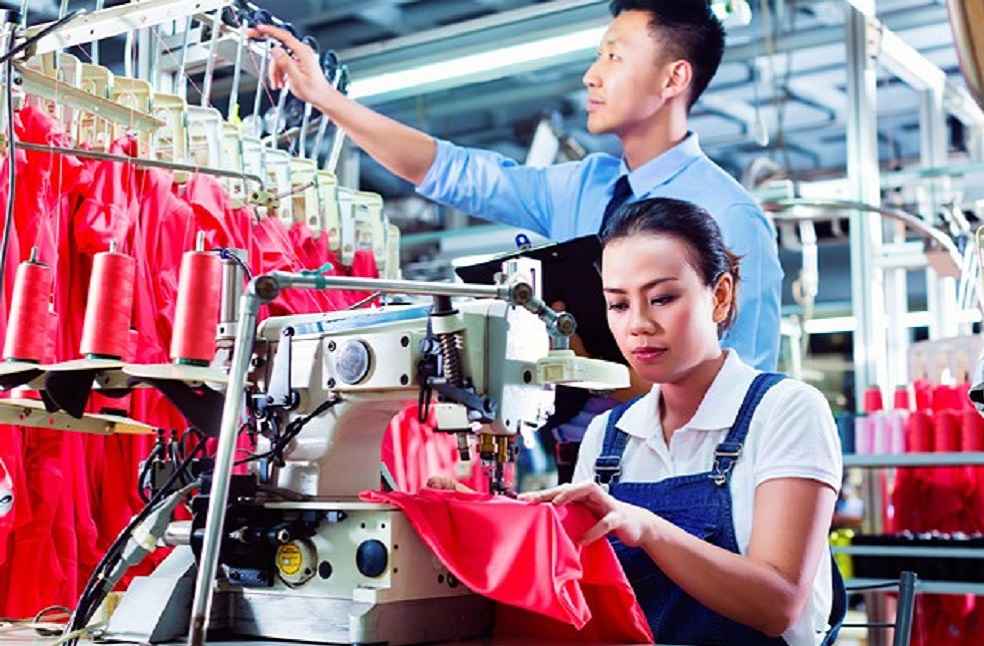
Collaboration between factory managers and military authorities has reportedly increased, further restricting organizing or protest.
In one example from early 2021, workers were allegedly locked inside a factory to stop them from joining the Civil Disobedience Movement, illustrating how political repression has penetrated workplaces. Analysts warn these practices normalize coercion, deepen fear, and erode trust between workers and management.
The predominance of female workers has made gender-based violence a central concern. Researchers documented 242 cases involving harassment or abuse, which in some instances are used to intimidate or enforce production targets. With grievance mechanisms weakened and external oversight limited, affected workers have few paths for redress.
Despite the deteriorating labor environment, Myanmar remains a low-cost sourcing base for global apparel brands. The scale and persistence of abuses are increasing human rights due diligence risks, particularly for companies serving European markets where supply-chain regulations are tightening.
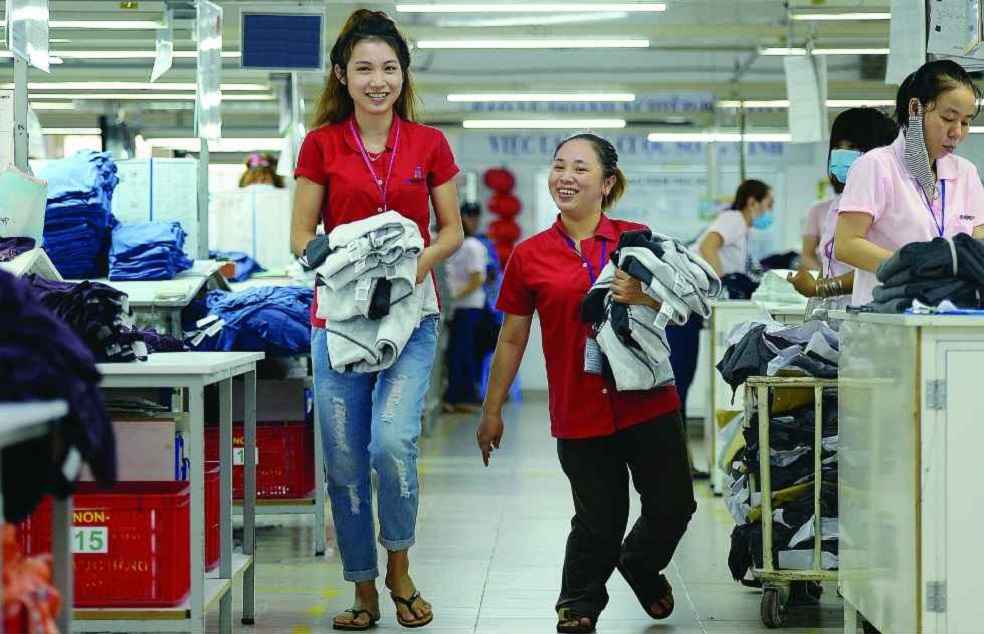
With enforcement absent domestically, brands face growing pressure from investors and civil society to reassess sourcing and demonstrate effective risk mitigation.
Regional sourcing patterns are already shifting. Industry observers say rising compliance risks in Myanmar may accelerate order diversification to manufacturing hubs with stronger regulation, such as Bangladesh, Vietnam, and Indonesia.
For Bangladesh, the situation reinforces its relative advantage in oversight and labor dialogue but also highlights how gains can unravel when political instability weakens governance.
Myanmar’s garment sector now represents a critical test for global fashion supply chains, exposing the limits of ethical sourcing commitments where state accountability has all but collapsed.
IMEX SECTOR | China to Begin First Chilled Pork Exports to Singapore