


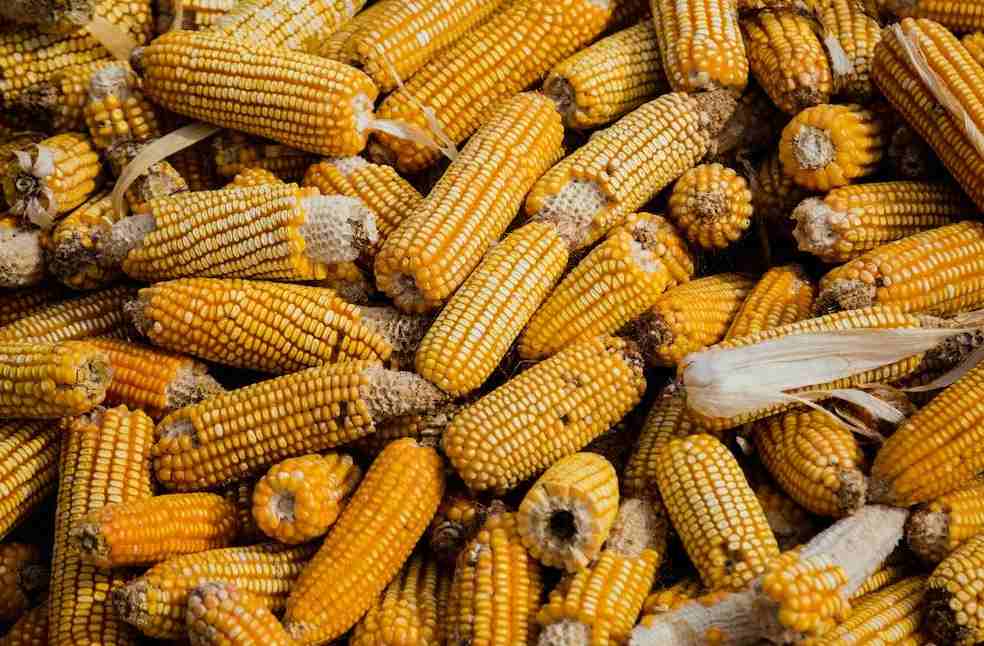
The Myanmar Corn Industrial Association and the Philippines International Trade Corporation signed a bilateral agreement in Manila on 26 February to boost maize exports and strengthen agricultural trade ties, according to the Myanmar Trade Promotion Organization.
The deal aims to enhance bilateral cooperation, reinforce the agricultural value chain, and open new market opportunities for stakeholders in both countries. Officials said the collaboration will improve trade facilitation, deepen international connectivity, and create expanded business prospects for Myanmar entrepreneurs, while supporting long-term sustainability.

Maize is Myanmar’s second most important crop after rice and serves as a key cash crop for farmers. It is widely cultivated in Shan, Kayah, Kachin, and Kayin states, as well as in Nay Pyi Taw and the Mandalay, Sagaing, and Magway regions.
The country produces maize across three seasons: winter, summer, and monsoon, with monsoon crops planted in May and June and winter crops in October and November. Annual output is estimated at 2.5 to 3 million tons.
The crop is a vital raw material for the feed processing industry and is also used to produce corn starch, edible oil, and sugar substitute sweeteners. In some countries, maize is processed into biofuel, including ethanol for automobiles, supporting steady international demand.

Myanmar exports more than two million tons of maize each year. Major buyers include Thailand, China, Vietnam, and the Philippines, with additional demand from India and Bangladesh. Significant volumes are transported through border checkpoints, generating foreign exchange earnings.
Thailand permits zero-tariff imports of maize under Form D certificates between 1 February and 31 August. Outside that window, tariffs can rise to as high as 73% to protect domestic growers during Thailand’s harvest season.
China has also increased purchases through cross-border trade under its alternative development program, with formal trade channels established at the end of 2022. Currently, 112 Myanmar companies are authorized to export maize.
Officials say systematic cultivation and expanded access to overseas markets could further strengthen farmer incomes and contribute to Myanmar’s broader economic growth.
MOST POPULAR | Iran Strike Risks Hormuz Energy Supplies, Global Recession