


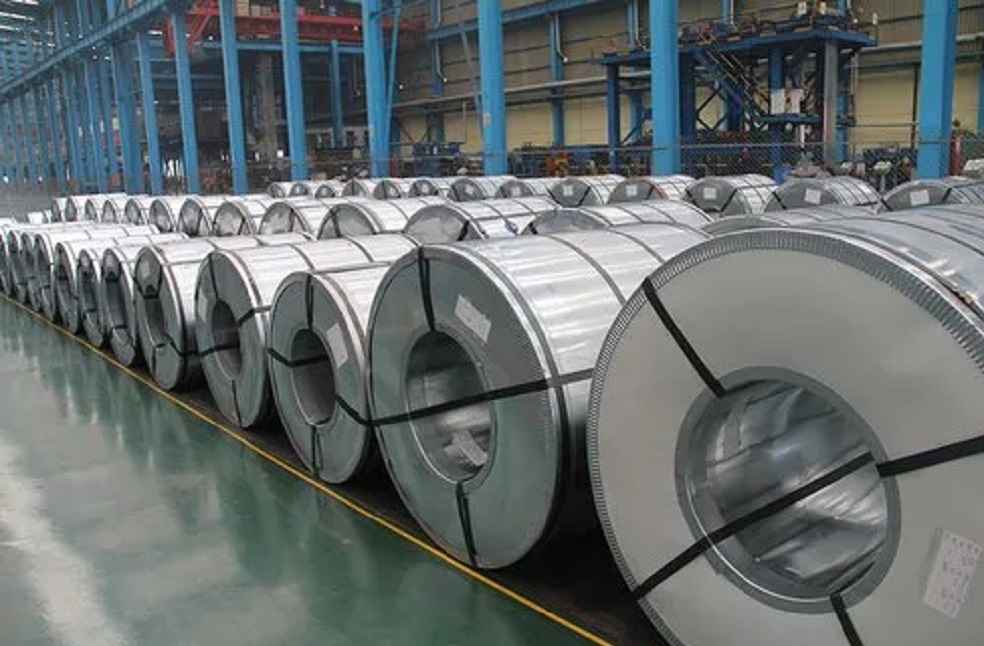
The global steel market is showing renewed signs of imbalance, with excess production capacity widening as demand growth slows. Data from the Global Forum on Steel Excess Capacity indicates that the gap between worldwide production capacity and actual consumption reached 179.6 million tons in the third quarter of 2025, representing a 1.4% increase compared with the same period a year earlier.
In its February 2026 monitoring bulletin, the forum identified Morocco among countries where installed steel capacity exceeds domestic demand. The assessment comes as weaker global consumption pushes more producers to rely on export markets to maintain output levels, intensifying competition across regions.
According to the forum, the widening gap is not driven by a surge in new steel plants. Overall capacity has remained relatively stable, while softer demand has been the primary factor behind the imbalance.
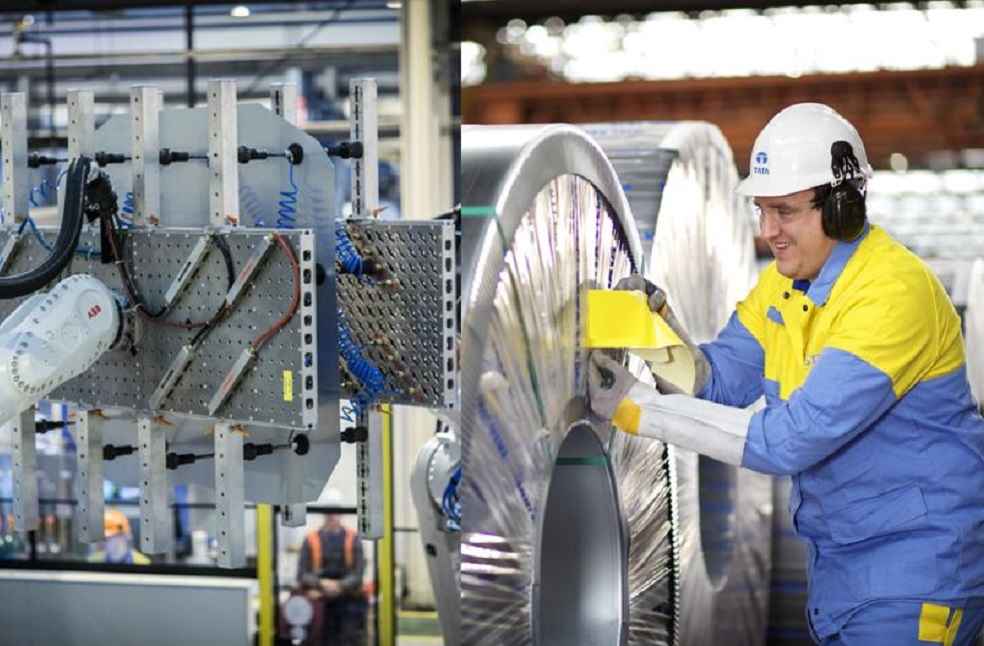
Crude steel production declined slightly during the period, yet exports accounted for a larger share of output. In the third quarter of 2025, exports represented 27.8% of total global steel production, reflecting the growing reliance on foreign markets as domestic demand weakens.
International price trends underline the pressure on producers. Average export prices for flat steel products fell by 6.7% in 2025. The report also highlights a notable pricing divide between forum members and economies characterized by structural overcapacity, with export prices within the forum averaging about 1.7 times higher than those recorded in China.
The forum also flagged rising competitive pressures in Africa. During the third quarter of 2025, imports from economies with excess capacity accounted for 20.5% of regional steel demand, posing increasing challenges for local manufacturers.
For Morocco, China remains a major supplier of steel products, alongside Turkey and several European countries, with competitive pressures particularly affecting flat products and certain semi-finished materials used in industrial processing.
Lower international prices continue to compress margins for domestic producers. Moroccan manufacturers face structural cost disadvantages compared with large-scale Asian competitors, while the domestic market alone offers limited growth potential to offset external pressures.
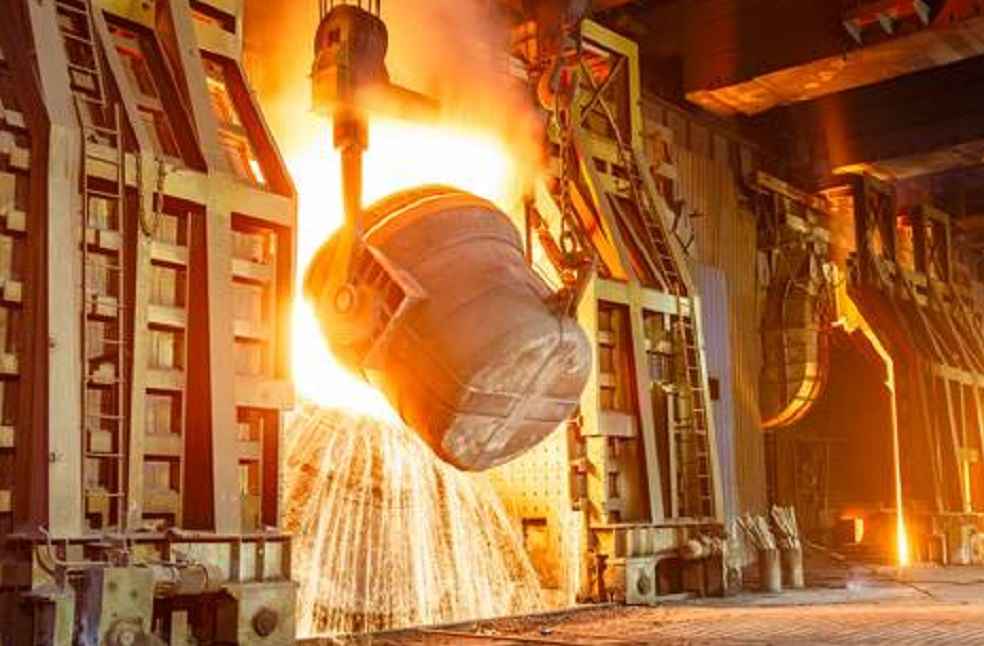
Morocco has moved to deploy trade defense measures. The forum noted that anti-dumping investigations launched in October 2024 target selected steel imports, including products originating from China.
Globally, 64 new trade defense cases were initiated during the first nine months of 2025, most involving anti-dumping actions, though the forum emphasized that the volumes covered remain relatively small compared with total international trade flows.
The evolving market dynamics leave Morocco’s steel sector facing a strategic choice. As global demand remains uncertain and competition intensifies, the industry must consider whether domestic consumption can absorb existing capacity or whether stronger export positioning and deeper regional integration will be required to restore balance.
INSPIRING | Greek Kiwi Ranks Third Globally as Vietnam Market Opens