



Morocco’s Economic, Social, and Environmental Council (CESE) has presented its assessment of the potential impact of the European Union’s Carbon Border Adjustment Mechanism (CBAM) on the country’s export sector. The opinion was shared during a session held in Rabat on Wednesday, bringing together representatives from ministries, public institutions, international and national organizations, civil society, and CESE members.
The meeting was attended by CESE Secretary General Younes Benakki, Moncef Ziani, chair of the permanent commission on economic affairs and strategic projects, and rapporteur Amine Mounir Alaoui. CESE President Abdelkader Amara highlighted that the Council’s opinion was prepared through a participatory process, involving consultations with institutional stakeholders, industry professionals, subject experts, and international organizations.
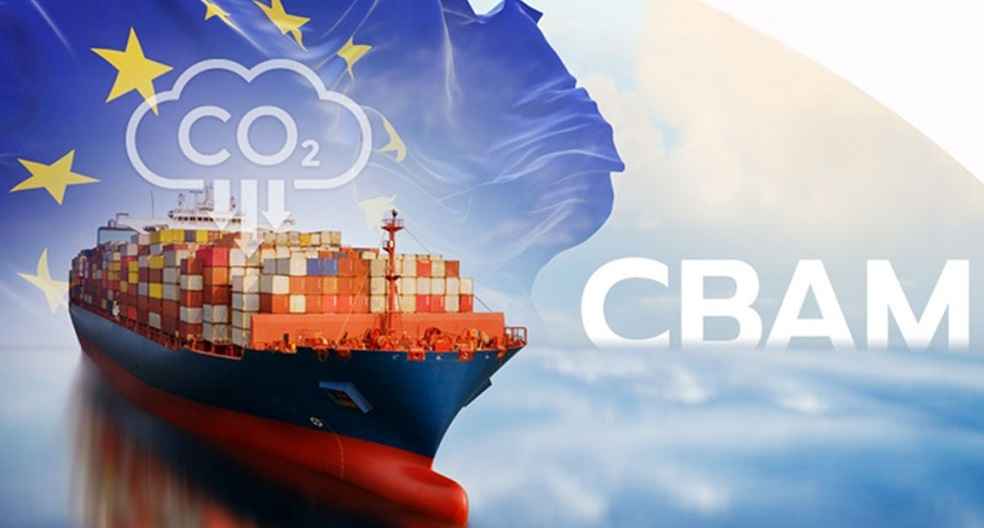
Amara underscored the importance of the issue, pointing out that the EU is Morocco’s leading trading partner, and the new carbon border tax, scheduled to come into effect in early 2026, will directly affect the competitiveness of Moroccan exports. He emphasized that companies must adapt to evolving climate regulations and environmental standards if they are to maintain access to EU markets.
While the CBAM will have widespread implications for global exports entering the European Union, Amara noted that Morocco’s short-term exposure to the measure remains limited. He explained that Morocco has been proactively working on energy transition policies for years, implementing strategies to build a low-carbon industrial base, reduce greenhouse gas emissions, and commit to achieving carbon neutrality by 2050.
According to the CESE, Morocco’s prior investment in renewable energy, sustainable industrial practices, and environmental reforms positions the country to respond more effectively to the challenges posed by CBAM. The Council stressed that continued adaptation, innovation, and collaboration with European partners will be essential to safeguard Morocco’s export industries in the long term.
LOGISTICS INDUSTRY | Port of Los Angeles Struggles With Tariffs, Costs and Trade Uncertainty